
California's 'Super El Niño' Triggers Record Marine Heat Wave and Coastal Floods
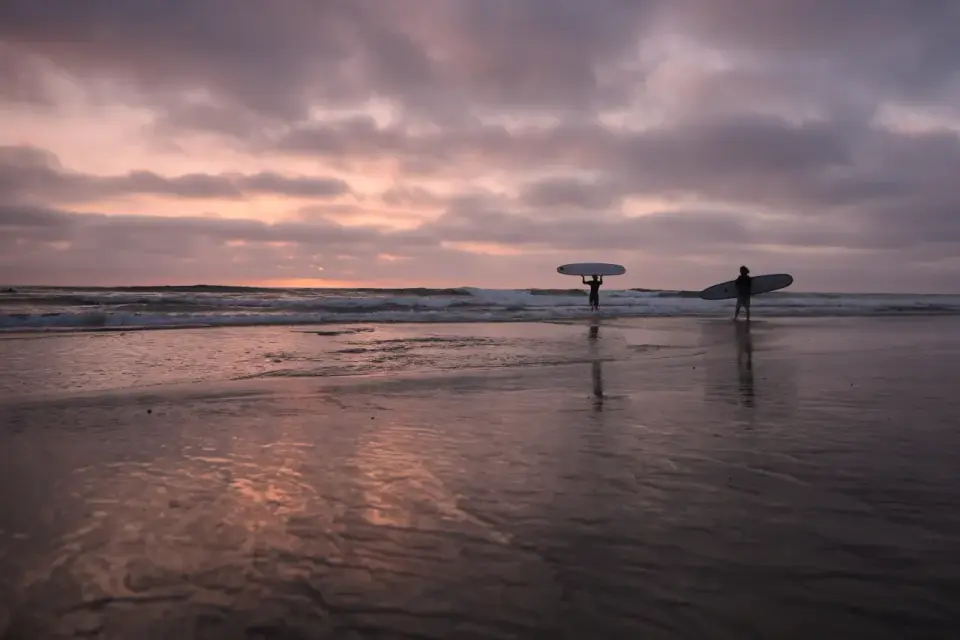
A record-breaking 'Super El Niño' has caused unprecedented marine heat waves along the California coast, with ocean temperatures reaching 13 degrees above normal. This extreme warmth is driving sea levels 6 to 12 inches higher than average, causing coastal flooding and introducing tropical marine species to local waters. While experts confirm the event is the strongest on record, forecasts for winter precipitation remain uncertain, with some areas potentially facing dry conditions despite the overall wet outlook.
Key points
- NOAA data shows sea surface temperature anomalies exceeding 5 degrees Celsius above average along the equatorial Pacific and California coast.
- A buoy off Santa Maria recorded 71.5 degrees, 13 degrees above the November average, while San Diego waters reached 75 degrees, comparable to Cape Canaveral.
- Thermal expansion has raised sea levels by 6 to 12 inches, causing flooding in Long Beach and Newport Beach during high tides.
- King tides are forecast for late November, December, and January, with officials reinforcing sea walls and sandbagging to mitigate risks.
- Tropical species, including whale sharks, hammerheads, and winged comb jellies, have been spotted in California coastal waters due to the warmth.
Background
This event follows months of forecasts predicting a historic El Niño. In October, NOAA confirmed the event as 'very strong,' surpassing 2015 records for 165 consecutive days. Earlier in 2026, Tropical Storm Rachel caused significant coastal damage in Long Beach, and the state declared a state of emergency in September ahead of potential winter impacts. The current marine heat wave is part of a broader pattern of extreme ocean temperatures that have also driven global coral bleaching.
How outlets are covering it
KTLA and The Washington Post emphasize the unprecedented nature of the marine heat wave, with The Post noting that 90% of coastal waters are experiencing Category 3 or higher heat waves. Climate scientist Daniel Swain, cited by both, expressed surprise at the data, calling the anomalies 'astonishing.' The New York Times provides historical context, noting that while strong El Niños like 1997-98 brought heavy rain, the 2015-16 event resulted in dry conditions, highlighting uncertainty in precipitation forecasts. BBC focuses on the broader North American impacts, suggesting a wet winter in the south but potentially dry conditions in the northwest. All sources agree on the severity of the ocean temperatures but differ on the certainty of rainfall, with NOAA forecasters indicating high confidence in above-normal precipitation for Southern California from January to March, while others caution that distribution and timing remain critical variables.
Why it matters
The extreme ocean temperatures are not only causing immediate coastal flooding and ecological shifts but also influencing winter weather patterns across North America. Higher sea levels combined with king tides and potential storms pose significant risks to infrastructure and property. The uncertainty regarding precipitation means that while some regions may face flooding, others could experience drought, impacting water resources and wildfire risks in subsequent seasons. This event underscores the complex and far-reaching impacts of climate variability on both local and global scales.
What to watch
Coastal communities are preparing for king tides in late November, December, and January, with officials reinforcing defenses. NOAA forecasters expect the El Niño to persist through March 2027, potentially driving a stormier winter in the southern U.S. The distribution of rainfall will determine whether the winter brings beneficial precipitation or catastrophic flooding. Long-term effects on marine ecosystems and wildfire risks in the following summer remain to be seen, with experts monitoring the landscape for changes in vegetation and moisture levels.
- California’s ocean temperatures reach stunning highs for November KTLA
- This Western state is experiencing its most severe marine heat wave on record The Washington Post
- A Concerned Californian’s Guide to El Niño The New York Times
- What could El Niño mean for winter weather in the US and Canada? BBC
- The historic El Niño is bringing huge waves — and could reshape California beaches San Francisco Chronicle
Want the full story? Read the original reporting
Read on KTLA