
Unseasonal Saharan Dust Plume Reaches Florida, Altering Weather and Air Quality
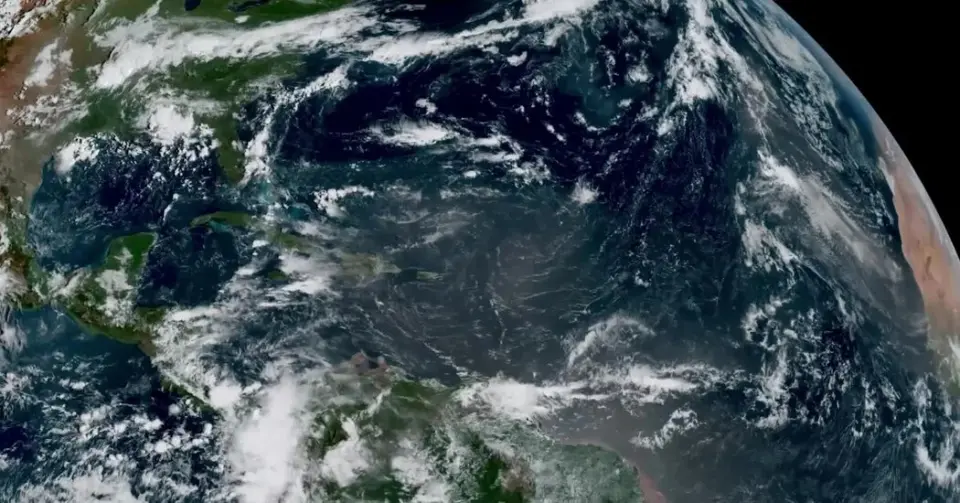
A massive plume of Saharan dust, roughly half the size of the continental United States, has arrived in South Florida, marking an unusual late-season event. While such dust is common in summer, its presence in September is rare. The dry air is suppressing thunderstorms, increasing daytime temperatures, and creating hazy skies, though it may also briefly lower air quality for sensitive individuals.
Key points
- The dust cloud, originating from North Africa, filled the atmosphere over the Caribbean and is filtering into South Florida, an occurrence typically limited to mid-June through mid-August.
- Jason Dunion, a research meteorologist at the University of Miami, noted that September plumes are usually smaller and rarely reach Miami, making this event exceptional.
- The Saharan Air Layer is expected to suppress cloud development and thunderstorms, potentially leading to higher daytime temperatures in the upper 80s to mid-90s Fahrenheit.
- While the dust may reduce rain, it can also create a milky haze and vivid sunsets, and may temporarily raise ground-level particulate matter, affecting air quality for those with respiratory issues.
- The dry air may inhibit tropical development, but meteorologists caution that this does not guarantee a hurricane-free season, as broader factors like El Niño also play a role.
Background
Saharan dust is a recurring feature of Florida’s summer climate, typically peaking between June and August. This September arrival is atypical, as the Saharan Air Layer usually declines significantly by mid-September. The event coincides with the peak of the Atlantic hurricane season, though no immediate tropical threats are forecast for Central Florida.
How outlets are covering it
The New York Times emphasizes the unusual size and timing of the plume, highlighting its impact on the atmosphere. Inside the Magic focuses on practical implications for tourists, noting potential heat, hazy skies, and air quality concerns, while also addressing social media speculation about 'phantom' hurricanes. Moneycontrol provides a broader scientific context on how Saharan dust influences Atlantic hurricanes, though it does not detail the current Florida event. The sources agree on the plume’s atypical nature but differ in emphasis: NYT on the meteorological anomaly, Inside the Magic on local impacts, and Moneycontrol on the broader climate connection.
Why it matters
The arrival of this dust plume underscores the variability of seasonal weather patterns and the complex interactions between atmospheric conditions and tropical development. For Florida residents and visitors, it signals a shift in typical September weather, with potential health and environmental implications. Understanding these dynamics is crucial for preparedness and accurate forecasting during hurricane season.
What to watch
Meteorologists will monitor the plume’s progression and its impact on local weather, including temperature, precipitation, and air quality. The National Hurricane Center will continue to assess tropical activity, considering the Saharan Air Layer’s role alongside other factors like El Niño. Public health advisories may be issued if ground-level particulate matter rises significantly.
- A Giant Plume of Saharan Dust Is Headed to Florida The New York Times
- How can a desert 5,000 Km away affect Atlantic hurricanes? The Sahara connection explained Moneycontrol.com
- Slow-moving showers and storms across South Florida WPBF
- 3,000-mile dust plume headed for Florida Yahoo
- Dual Weather Wildcards Heading for Disney World: Rare September Saharan Dust and Tropical Rumors Threaten Central Florida Inside the Magic
Want the full story? Read the original reporting
Read on The New York Times