
Record El Niño Swell Closes California Piers, Triggers Santa Cruz Evacuations
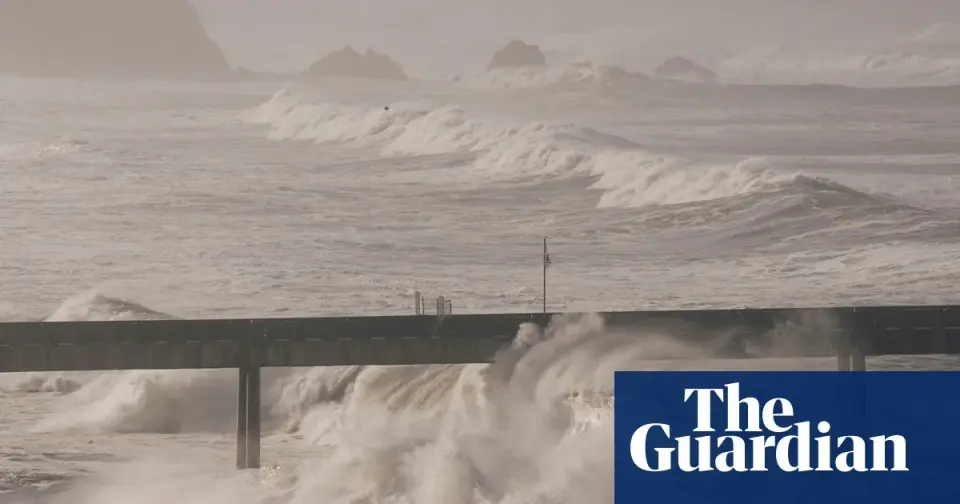
A powerful Pacific swell, intensified by a historic El Niño, battered the California coast with waves reaching 50 feet, causing significant flooding and forcing the closure of major piers. The National Weather Service issued severe warnings for dangerous surf conditions, while local authorities in Santa Cruz and other coastal areas implemented evacuation orders and beach closures. Although conditions began to calm by Sunday afternoon, forecasters warn that large waves will persist throughout the week.
Key points
- Waves exceeding 50 feet were recorded in San Mateo County, with the National Weather Service warning of up to 35-foot surf and dangerous rip currents along the Bay Area coast.
- Piers in Ventura, Manhattan Beach, Huntington Beach, and San Diego’s Pacific Beach were closed due to hazardous wave conditions and flooding risks.
- Santa Cruz County issued evacuation warnings for approximately 270 homes near Capitola, where the wharf sustained damage despite a recent $10.6 million reconstruction.
- Big-wave surfers attempted to ride the massive swell at Mavericks near Half Moon Bay, though conditions were described as precarious due to strong winds and choppy water.
- Forecasters expect large waves to continue all week, driven by the ongoing super El Niño which has warmed the ocean and increased seawater volume.
Background
This event follows a series of severe weather patterns in late 2026, including Tropical Storm Rachel and a Kelvin wave that previously threatened coastal erosion in October. The current surge is part of a broader pattern of extreme weather linked to a record-breaking El Niño, which NOAA indicated had an 83% chance of being the strongest in the modern record. Previous storms in October also brought heavy rain and flood risks to Southern California, setting the stage for the current high-surf conditions.
How outlets are covering it
The Guardian and WCVB emphasize the widespread closure of piers and the general danger to the public, citing National Weather Service warnings. The New York Times provides a more detailed account of the surf conditions, noting that while most beaches were too dangerous for casual surfers, big-wave surfers at Mavericks faced 'precarious' conditions. ABC7 Los Angeles focuses on the local impact in Southern California, highlighting specific pier closures in Ventura and Manhattan Beach and quoting residents on the unusual size of the waves. All sources agree on the severity of the event but differ in their focus, with some highlighting the human element of surfers and others focusing on infrastructure damage and public safety measures.
Why it matters
The event underscores the increasing frequency and intensity of extreme weather events linked to climate change, particularly the impact of El Niño on coastal communities. The closure of major piers and the need for evacuations highlight the vulnerability of coastal infrastructure and the potential for significant economic and social disruption. The persistence of large waves throughout the week suggests ongoing risks for coastal residents and visitors, emphasizing the need for continued vigilance and preparedness.
What to watch
Forecasters expect large waves to continue all week, with potential for further flooding and damage to coastal infrastructure. Authorities are likely to maintain beach closures and evacuation warnings until conditions improve. The ongoing El Niño is expected to continue influencing weather patterns, potentially leading to more extreme events in the coming months.
- Huge waves pummel California coast, forcing closure of popular piers The Guardian
- The Surf’s Way, Way Up as Huge Waves Pound the California Coast The New York Times
- Huge waves pummel the California coast, forcing the closure of iconic piers WCVB
- Ventura, Hermosa Beach and Manhattan Beach piers close as high surf and dangerous rip currents batter Southern California coast ABC7 Los Angeles
- 20- to 30-foot waves pound the West Coast as storms continue Yahoo
Want the full story? Read the original reporting
Read on The Guardian