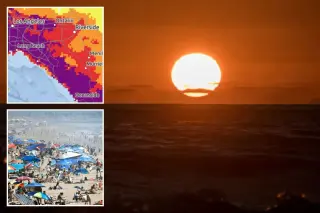
An Arizona community near Martinez Lake reached 110°F on March 19, setting the hottest March temperature ever recorded in the United States as a broader Southwest heat wave shatters multiple records.
Southern California’s record-breaking March heat wave is easing this weekend, with coastal highs in the mid-70s to low-80s and inland in the 90s after a stretch that saw 102°F in Woodland Hills and 93°F in Lancaster. The National Weather Service warned that heat advisories should expire by Friday night, though next week is expected to stay hot overall. Officials caution about heat-related illness, especially for those without AC, as the unusual warmth continues to influence the region.
Southern California is entering a multi-day heat wave that has already set daily records in the LA area (Hollywood Burbank Airport 92°, Pierce College 97°) and is forecast to push into the 90s–100s inland through Friday, with coastal areas heating rapidly; forecasters warn of dangerous heat illness and advise cooling centers, hydration, and checking on vulnerable neighbors.
The National Weather Service is collecting snowfall data from the March 15–16 blizzard in southeast Wisconsin and publishing an ongoing, location-based snowfall tally—totals may be adjusted later—as FOX6 provides weather tools and updates.
Michigan’s Upper Peninsula bore the brunt of the blizzard, with Mount Arvon in Baraga County at 39 inches in the past 48 hours and Herman/Sundell around 36 inches; Spalding (35), Negaunee (33.7) and National Mine (30) followed as top totals, with many UP locations in the 20–30 inch range over the same period. A broader list shows significant 24‑hour snowfall across northern Michigan (e.g., Cusino Lake 27.5
A loud boom heard across Cleveland (and as far as New York and Pennsylvania) is likely from a meteor, per the National Weather Service, which cited data from a geostationary lightning mapper and a Pittsburgh-area employee’s video of the meteor arcing across the sky. The NWS said the boom may have occurred when the meteor broke the sound barrier, though the exact entry time is unclear. The American Meteor Society had not yet commented. There have been other fireball sightings in Ohio recently.
Storms along the eastern half of the United States, compounded by disruptions from a partial government shutdown that left TSA screeners unpaid, led to more than 12,500 flights canceled or delayed as security lines stretched and major hubs ordered ground stops.
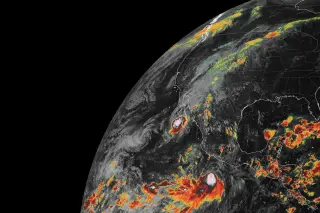
Severe storms sweeping the eastern United States have prompted tornado watches in multiple states and caused thousands of flight cancellations and delays, with major hubs like Reagan National, LaGuardia, JFK and Newark affected as authorities warn of damaging winds and widespread wind alerts impacting millions.
A blizzard warning has been issued for McHenry County and surrounding counties as a cold front brings several inches of snow and winds up to 45 mph, creating whiteout conditions and dangerous travel for the Monday morning commute; travel is urged to be avoided and motorists should prepare winter survival kits.
Chicago could see Tuesday storms with the potential for tornadoes south of I-80, 2-inch hail, and damaging winds up to 70 mph, plus a risk of flash flooding as rain moves through; cooler, wet weather continues into Wednesday with rain and possible light snow.
Michigan Gov. Gretchen Whitmer called for a federal investigation into why no tornado watch was issued before a deadly southwest Michigan outbreak, suggesting that federal funding cuts to the National Weather Service may have contributed. Forecasters said the event was highly localized, making a watch difficult to issue in advance, while warnings were later issued as reports came in from Edwardsburg, Union Lake/Union City, Three Rivers and surrounding areas. The storms produced multiple tornadoes (EF0–EF3) and four deaths, with extensive damage and injuries reported.
A strong, deadly tornado ripped through south-central Michigan, killing at least four and damaging neighborhoods in Union City and Three Rivers, as part of a broader severe-weather outbreak across the Plains and Midwest.
Chicago is under a Red Flag Warning through Wednesday night due to warm temperatures and gusty winds—up to 45 mph—that raise the fire risk. Any grass or brush fires could spread quickly; highs will reach the upper 60s, with a wind advisory for areas north and northwest of the city, and the highest risk along and west of Fox Valley and I-55.
The National Weather Service expanded a winter storm watch to metro Atlanta for this weekend, with up to 3 inches of snow and wind gusts up to 35 mph expected. bitter cold temperatures and dangerous wind chills are also on the way, potentially making roads slick and delaying travel. Snowfall will vary by location, with eastern and northern Georgia likely to see more, and this marks a second weekend of winter weather in the state.
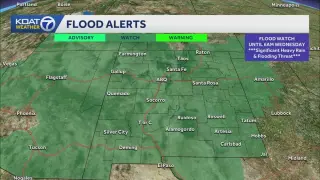
A weekend winter storm dumped record snowfall across the U.S., with 19 states recording more than 15 inches in 72 hours; the heaviest totals included 31 inches at Bonito Lake, NM, according to the National Weather Service, triggering widespread power outages and travel disruptions.