
Super El Niño Drives Snowy Sierra, Dry Pacific Northwest Winter
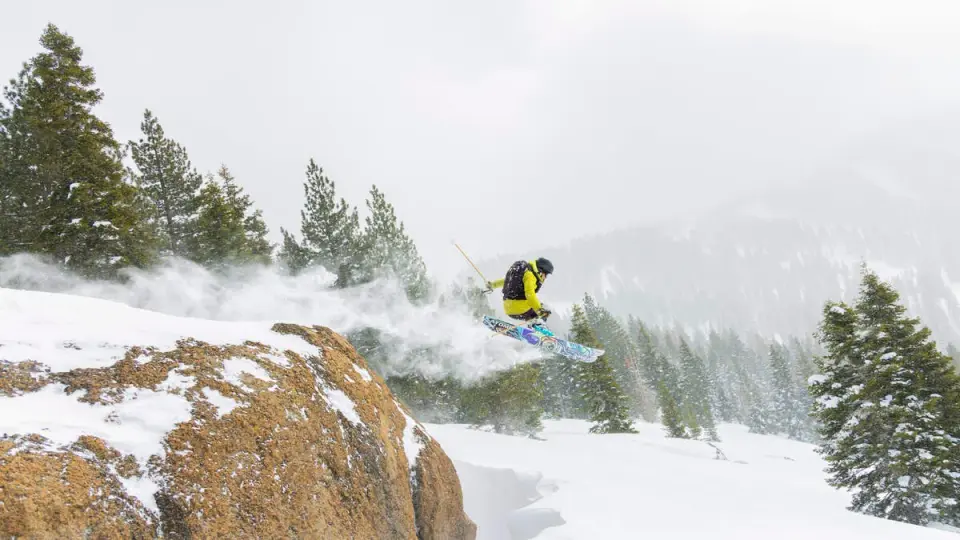
A strengthening super El Niño is projected to bring above-average snowfall to the Sierra Nevada and Northern California, while the Pacific Northwest faces a warmer, drier winter. Climate models indicate an extra one to three inches of snow in January for the Tahoe region, though warmer temperatures may delay the season's start and shift the rain-snow line higher. Conversely, the Pacific Northwest is expected to see reduced snowfall and increased drought risk due to a shifted jet stream and warmer temperatures. Coastal California faces heightened flood risks from rising sea levels and atmospheric rivers. This event is part of a rare combination with a massive marine heatwave, threatening marine ecosystems and global weather patterns.
Key points
- Three independent climate models (NOAA CFSv2, ECMWF SEAS5, and NMME) project above-average snowfall for the Sierra and Northern California, particularly in January 2027, with an additional one to three inches of snow in the Tahoe area.
- Warmer-than-average temperatures in Northern California are expected to delay the start of snow season past November and potentially into December, while shifting the rain-snow line higher up mountain slopes, leaving lower elevations with rain instead of snow.
- The Pacific Northwest is forecast to experience a warmer and drier winter, with reduced snowfall and a higher risk of drought, as the El Niño shifts the jet stream southward toward California.
- California faces increased risks of storm surges and flooding, with sea levels already 15cm above normal and expected to rise another 15-30cm during the El Niño, exacerbating coastal flood frequency.
- Ski resorts in the Lake Tahoe region, including Palisades Tahoe, Northstar, Heavenly, and Kirkwood, are preparing for a potentially strong snow season, with target opening dates ranging from November 20 to December 4.
Background
This development follows earlier forecasts from August 2026, which already linked the developing super El Niño to above-average snowfall in California and Nevada, particularly in the Central Sierra and Southern California resorts. Recent events, such as unprecedented snow in the Atacama Desert and record heat in Los Angeles, have illustrated the broader impacts of the strengthening El Niño on global weather patterns. The current situation is part of a rare combination with a massive marine heatwave in the northeast Pacific, which has been ongoing since May 2025 and is expected to intensify alongside the El Niño.
How outlets are covering it
The Sacramento Bee emphasizes the specific snowfall projections for the Sierra and Northern California, highlighting the potential for a strong ski season despite warmer temperatures. The BBC focuses on the broader impacts of the super El Niño and marine heatwave, including reduced snowfall in the Pacific Northwest, increased flood risks in California, and devastating effects on marine life. The Atlantic provides a broader context, noting that this El Niño is likely the strongest ever recorded, with waters around Kiritimati already 3 to 4 degrees Celsius above normal, and highlights the global implications of such a powerful event. While all sources agree on the strength of the El Niño, they differ in their emphasis: the Sacramento Bee focuses on snowfall and ski resorts, the BBC on climate and marine impacts, and The Atlantic on the historical significance and global scale of the event.
Why it matters
The super El Niño will have significant impacts on snowpack, water resources, and ecosystems across the western United States. Above-average snowfall in the Sierra could benefit water supplies and ski resorts, while the warmer, drier conditions in the Pacific Northwest could exacerbate drought conditions and wildfire risks. The increased flood risks in California pose threats to coastal communities and infrastructure. Additionally, the marine heatwave and El Niño combination could have long-term effects on marine ecosystems and fisheries, with potential economic and ecological consequences.
What to watch
Climate models will continue to refine projections as the El Niño intensifies through the autumn and winter. Ski resorts will monitor snowfall and adjust their operations accordingly. Coastal communities in California will prepare for potential storm surges and flooding. Scientists will continue to study the impacts of the marine heatwave and El Niño on marine ecosystems and global weather patterns. The El Niño is expected to dissipate around spring 2027, but its effects may persist for months.
- Super El Niño is looming. Here’s what new data means for snow season across the west Sacramento Bee
- Two giant warming patterns are brewing in the Pacific and warping US weather BBC
- This El Niño Will Be Unlike Any in the Past Eight Decades theatlantic.com
- Meteorological fall begins: How El Niño could impact Colorado this winter 9News
- How Should You Prepare For A Super El Niño? Time Magazine
Want the full story? Read the original reporting
Read on Sacramento Bee