
Trump Dismisses CIA Chief’s Moscow Trip as Routine Amid Ukraine War Stalemate
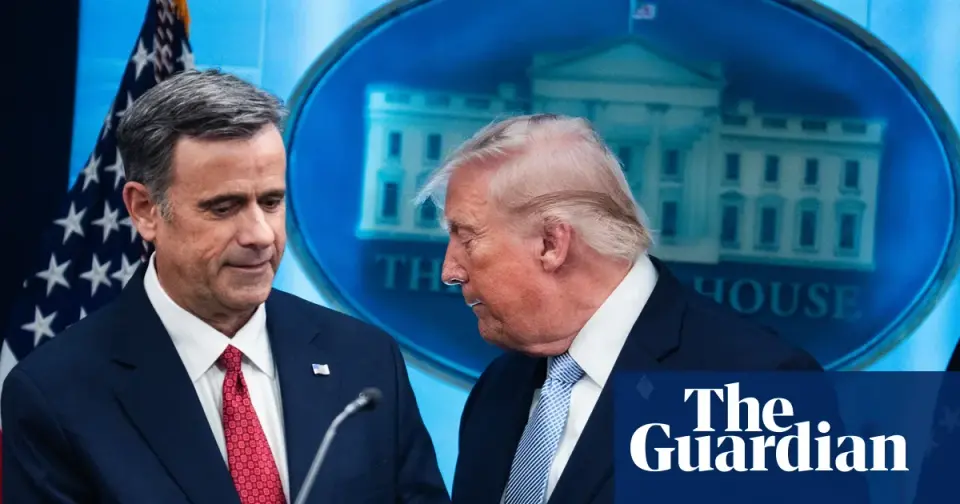
CIA Director John Ratcliffe’s unannounced visit to Moscow has been characterized by President Donald Trump as 'semi-routine,' despite sparking speculation about its purpose. The trip, the first by a CIA chief since 2021, occurred amid stalled peace efforts for the Ukraine war and heightened tensions over Iran. While the Kremlin confirmed intelligence-level contacts, it denied meetings with Vladimir Putin and called any improvement in US-Russia relations premature.
Key points
- President Trump described CIA Director John Ratcliffe’s unannounced trip to Moscow as 'semi-routine' and rejected speculation that it was linked to fears of a Russian test of NATO resolve or efforts to secure cooperation on Iran sanctions.
- Ratcliffe arrived in Moscow on a government transport plane from Andrews Air Force Base, marking the first visit by a CIA director since Bill Burns traveled there in November 2021 to warn against the invasion of Ukraine.
- The Kremlin confirmed that Ratcliffe met with Russian intelligence counterparts but stated he did not meet with President Vladimir Putin, with spokesperson Dmitry Peskov calling predictions of improved US-Russia relations 'premature.'
- The visit occurs while military hostilities in Ukraine remain at an impasse, with recent long-distance strikes on Russian energy infrastructure and intensified drone attacks on Kyiv.
- US-Russia relations have deteriorated further following Trump’s decision to engage in conflict with Iran, with reports indicating Russian satellite technology was used to aid Iranian targeting of US and allied bases.
Background
This visit follows earlier coverage in August 2026, which reported that Ratcliffe’s trip was unannounced and involved high-level talks with Russian intelligence services. At that time, Ukraine reportedly paused strikes on Moscow at the request of the Trump administration, resuming attacks after Ratcliffe’s departure. The current briefing confirms the Kremlin’s stance that while intelligence contacts are positive, they do not necessarily resolve the deep crisis in bilateral relations.
Why it matters
The visit signals a continued, albeit limited, channel of communication between US and Russian intelligence services despite severe diplomatic tensions. It highlights the complexity of US foreign policy, where efforts to end the Ukraine war coexist with new conflicts in the Middle East and strained relations with Moscow over Iran. The lack of high-level political meetings suggests that substantive diplomatic breakthroughs remain distant.
What to watch
Analysts will monitor whether the intelligence-level contacts lead to any tangible shifts in US-Russia relations or impact the ongoing conflict in Ukraine. The effectiveness of new US secondary sanctions against Iran will also depend on whether allies like Russia and China cooperate, a factor that may influence future diplomatic engagements.
Want the full story? Read the original reporting
Read on The Guardian