
Kenya’s 1.6-million-year-old bones reveal planned meat processing by early humans
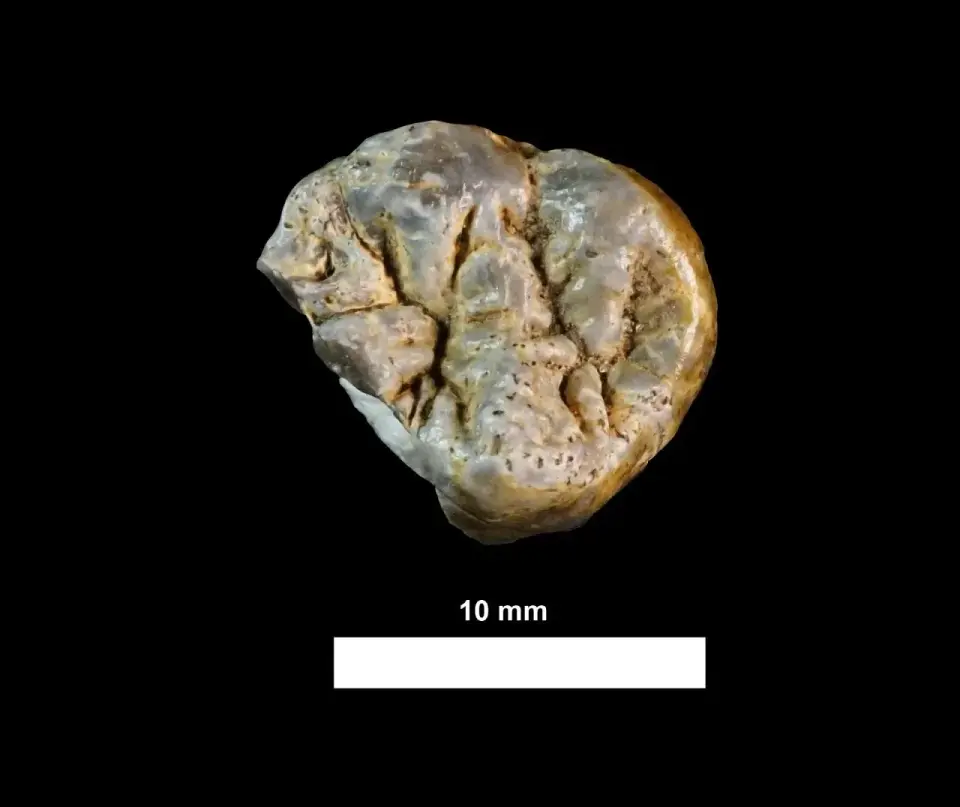
TL;DR
Analysis of over 1,000 bones from FwJj 80 in Kenya’s Koobi Fora Formation shows cut marks and marrow-extraction damage from stone tools, indicating early Homo butchered carcasses and transported prime meat away from kill sites across diverse habitats. This suggests planning and flexible foraging that could have supported higher energy needs for brain growth and social cooperation, with patterns similar to older sites like FLK Zinj and Kanjera South, pointing to continuity in meat-use strategies across landscapes.
Topics:sciencearchaeology#archaeology#butchery#early-humans#koobi-fora#marrow-extraction#meat-processing
- Cut marks on 1.6-million-year-old bones reveal early humans moved and processed meat in Kenya Archaeology News Online Magazine
- Cut marks on 1.6 million-year-old bones reveal early humans moved prized meat Phys.org
- 1.6 Million-Year-Old Bones Reveal How Early Humans Hunted and Shared Their Food Indian Defence Review
- Humans Have Been Obsessed With the Best Cuts of Meat for 1.6 Million Years VICE
- New Research Shows How the Earliest Humans Got Their Meat Gizmodo
Want the full story? Read the original reporting
Read on Archaeology News Online Magazine