Tag

Butchery

All articles tagged with #butchery

Kenya’s 1.6-million-year-old bones reveal planned meat processing by early humans
archaeology12 days ago

Kenya’s 1.6-million-year-old bones reveal planned meat processing by early humans

Analysis of over 1,000 bones from FwJj 80 in Kenya’s Koobi Fora Formation shows cut marks and marrow-extraction damage from stone tools, indicating early Homo butchered carcasses and transported prime meat away from kill sites across diverse habitats. This suggests planning and flexible foraging that could have supported higher energy needs for brain growth and social cooperation, with patterns similar to older sites like FLK Zinj and Kanjera South, pointing to continuity in meat-use strategies across landscapes.

Two Neanderthal Kitchens, One Landscape: Distinct Food Traditions Unearthed
science2 months ago

Two Neanderthal Kitchens, One Landscape: Distinct Food Traditions Unearthed

A study of Neanderthal groups at Amud and Kebara caves in northern Israel, living 70,000–50,000 years ago, shows they used similar hunting tools but butchered meat differently: Amud bones were burned and fragmented far more (about 40%) than Kebara bones (about 9%), indicating distinct food-preparation traditions likely passed through social learning and culture, suggesting Neanderthals had organized, tradition-driven subsistence practices as well as social grouping. The research is published in Frontiers in Environmental Archaeology.

Evidence of Cannibalism Found on Ancient Human Relative's Bone
science2 years ago

Evidence of Cannibalism Found on Ancient Human Relative's Bone

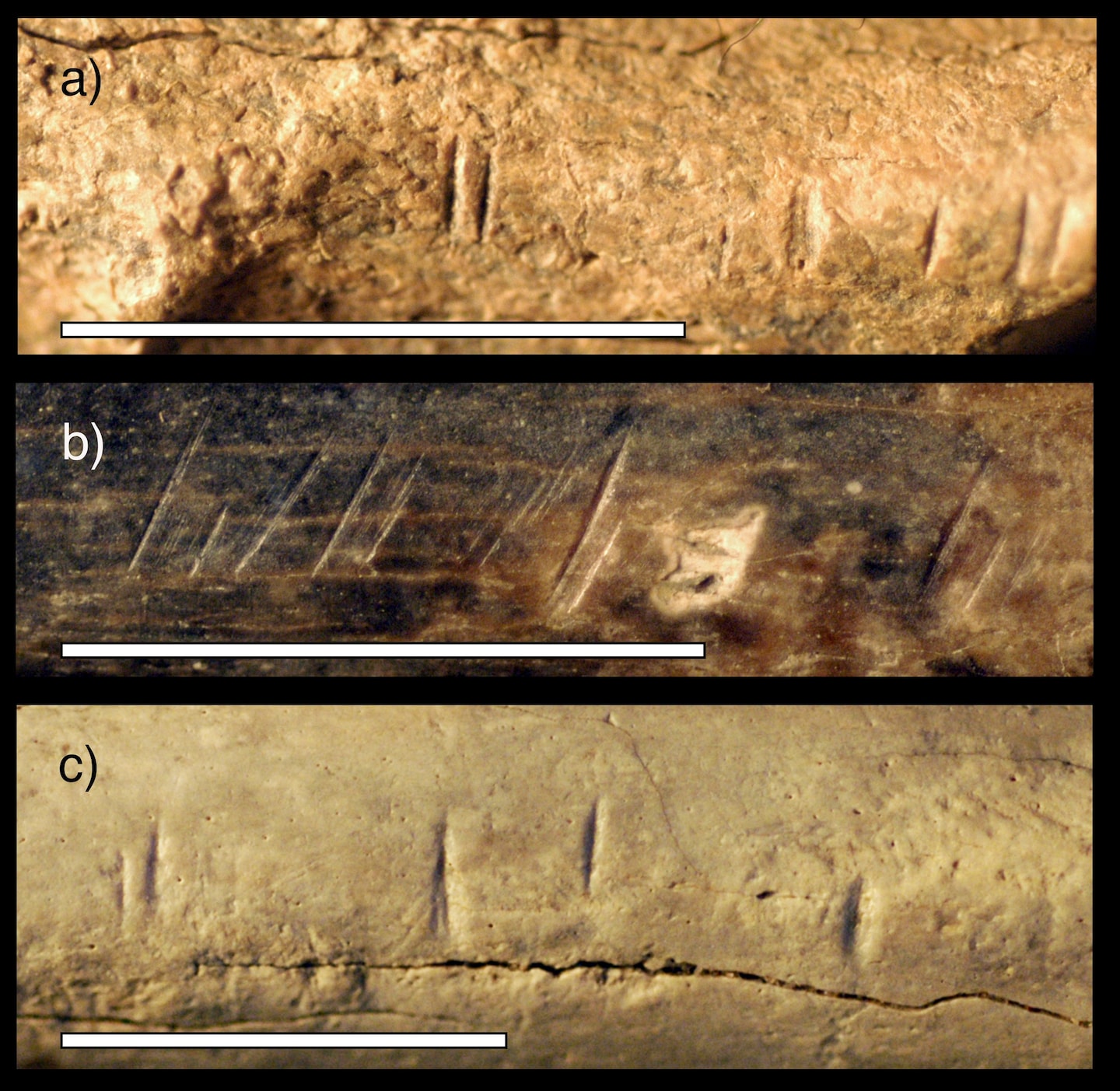
Cut marks made by a stone tool on a 1.5-million-year-old human relative's bone found in northern Kenya appear to be the oldest evidence of one hominin butchering another, according to a study published in Scientific Reports. The discovery raises the possibility that the remains were cannibalized. Cannibalism requires that both the consumer and consumed be of the same species. The closer the practice gets to Homo sapiens, the more complex and uncomfortable the questions it raises.