
Study Suggests Humans May Have Reached Ireland 13,500 Years Ago
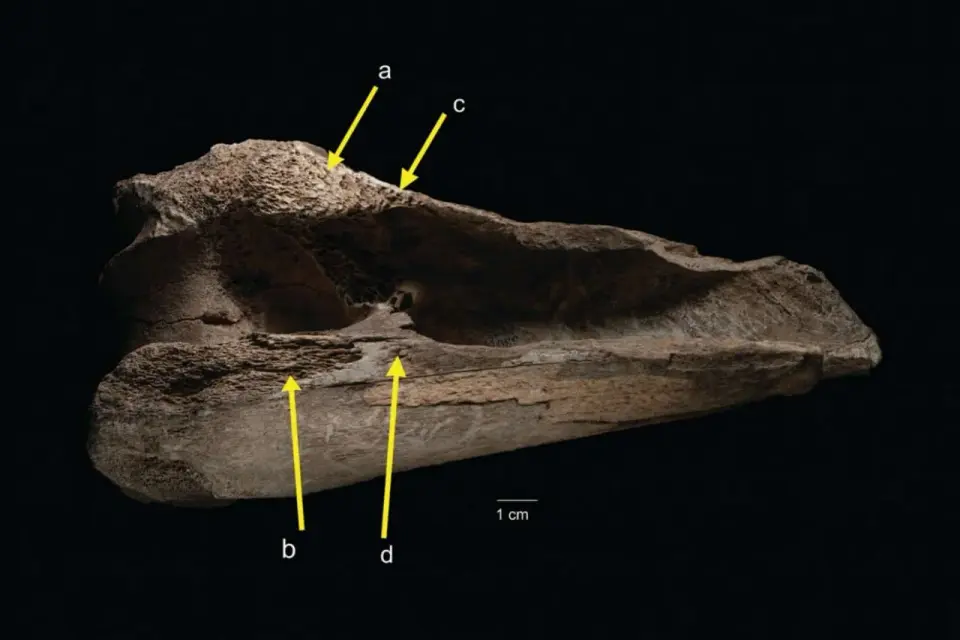
A new study suggests humans may have lived in Ireland 13,500 years ago, potentially pushing back the island's earliest human history by nearly a millennium. Researchers found giant deer bones with possible butchery marks in Ballynamintra Cave, County Waterford, though the evidence remains unconfirmed pending further excavations.
Key points
- Researchers led by Richard Jennings of Liverpool John Moores University found two giant deer bones in Ballynamintra Cave, County Waterford, with marks consistent with human butchery.
- Radiocarbon dating places the bones between 13,573 and 13,321 years ago, during the Middle Allerød warm phase.
- The findings potentially push back the earliest confirmed human presence in Ireland by nearly 1,000 years, from the current record of 12,800 years ago.
- The authors caution that the marks cannot be definitively proven as human-made without additional artifacts, as weathering has erased microscopic tool striations.
- Further excavations are scheduled to uncover Ice Age deposits that may yield stone tools or bone points to confirm human activity.
Background
The earliest confirmed evidence of humans in Ireland is a butchered brown bear bone from Alice and Gwendoline Cave in County Clare, dating to roughly 12,800-12,600 years ago. Prior to this, Victorian-era diggers had emptied many Irish caves, leading to the assumption that no earlier human evidence remained. The new study challenges this by finding undisturbed Ice Age layers in Ballynamintra Cave, which had been partially excavated in the 1870s and 1880s.
How outlets are covering it
Archaeology News Online and Ancient Origins emphasize the potential for the findings to reshape understanding of human dispersal in northwest Europe, while RTE.ie highlights the caution that the marks cannot be proven without additional artifacts. All sources agree that further excavations are necessary to confirm the hypothesis.
Why it matters
If confirmed, the findings would significantly push back the arrival of humans in Ireland and alter the understanding of early human dispersal across northwest Europe at the end of the last Ice Age.
What to watch
Further excavations at Ballynamintra Cave are scheduled to uncover Ice Age deposits that may yield stone tools or bone points to confirm human activity. Isotope and ancient DNA tests on the bones are also planned.
- Giant deer bones with possible butchery marks hint at humans in Ireland centuries earlier than known Archaeology News Online Magazine
- Giant deer bones may push human arrival in Ireland back by 1,000 years Phys.org
- Cave bones study alters date of human settlers in Ireland RTE.ie
- Butchered bones in a Waterford cave suggest hunters were active in Ireland 13,500 years ago IrishCentral
- Giant Deer Bones May Put Humans in Ireland 13,500 Years Ago Ancient Origins
Want the full story? Read the original reporting
Read on Archaeology News Online Magazine