
Ancient Genome Sequences Reveal Europe's Earliest Settlers
TL;DR
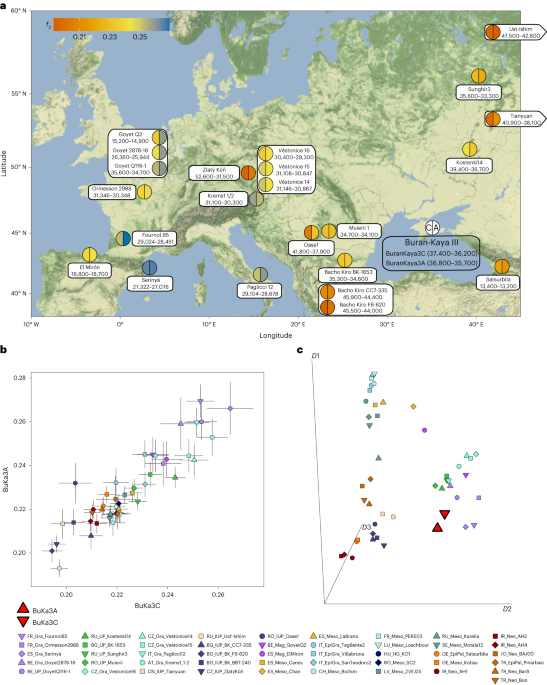
Researchers have sequenced the genomes of ancient modern humans from the Buran-Kaya III site in Crimea, dating back 36,000 to 37,000 years. The study reveals that these individuals had recent Neanderthal ancestry, suggesting interbreeding between modern humans and Neanderthals in Europe during the Upper Paleolithic period. The findings contribute to our understanding of the genetic history and interactions between different human populations during this time.
Topics:sciencearchaeologygenetics#archaeologygenetics#crimea#genome-sequencing#modern-humans#neanderthal-ancestry#upper-paleolithic
Want the full story? Read the original reporting
Read on Nature.com