Tag

Upper Paleolithic

All articles tagged with #upper paleolithic

Archaeologists Uncover 280 Ice Age Engravings in Long-Visited Spanish Cave
science22 days ago

Archaeologists Uncover 280 Ice Age Engravings in Long-Visited Spanish Cave

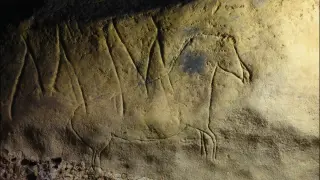
Researchers at the Catalan Institute of Human Palaeoecology and Social Evolution identified 280 prehistoric engravings in the Cova de la Font Major in Catalonia, Spain. Discovered in 2019, the art includes 55 animal figures and geometric shapes dating to at least 19,000 years ago. The findings, published in Antiquity, challenge previous assumptions that the cave's soft walls were unsuitable for such artwork and highlight a distinct Mediterranean graphic tradition.


Early European Homo sapiens Likely Used Bow and Arrow for Hunting
science11 months ago

Early European Homo sapiens Likely Used Bow and Arrow for Hunting

New research suggests that early Homo sapiens in Eurasia may have used bow and arrow technology earlier than previously believed, around 40,000 years ago, challenging the traditional view that such technology only appeared later. The study combines experimental and archaeological evidence to show that some ancient projectile points were consistent with arrow use, indicating a diverse and complex technological repertoire during human expansion.

Ancient Genome Sequences Reveal Europe's Earliest Settlers
archaeologygenetics3 years ago

Ancient Genome Sequences Reveal Europe's Earliest Settlers

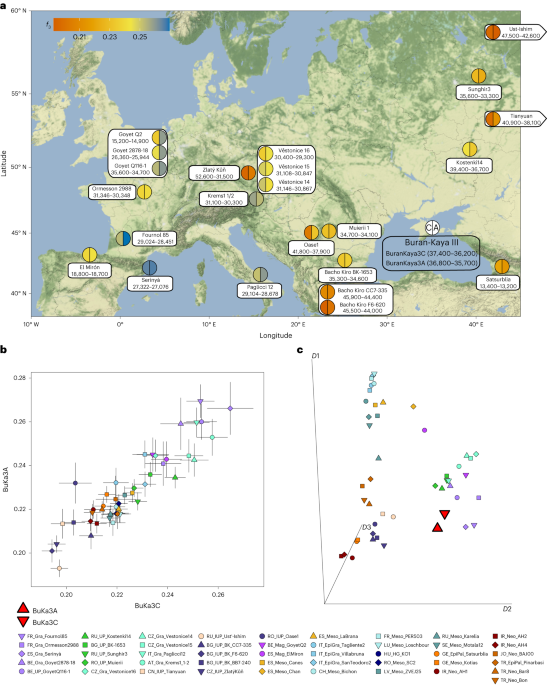
Researchers have sequenced the genomes of ancient modern humans from the Buran-Kaya III site in Crimea, dating back 36,000 to 37,000 years. The study reveals that these individuals had recent Neanderthal ancestry, suggesting interbreeding between modern humans and Neanderthals in Europe during the Upper Paleolithic period. The findings contribute to our understanding of the genetic history and interactions between different human populations during this time.

Ancient Europeans practiced cannibalistic funeral rituals, study reveals
archaeology3 years ago

Ancient Europeans practiced cannibalistic funeral rituals, study reveals

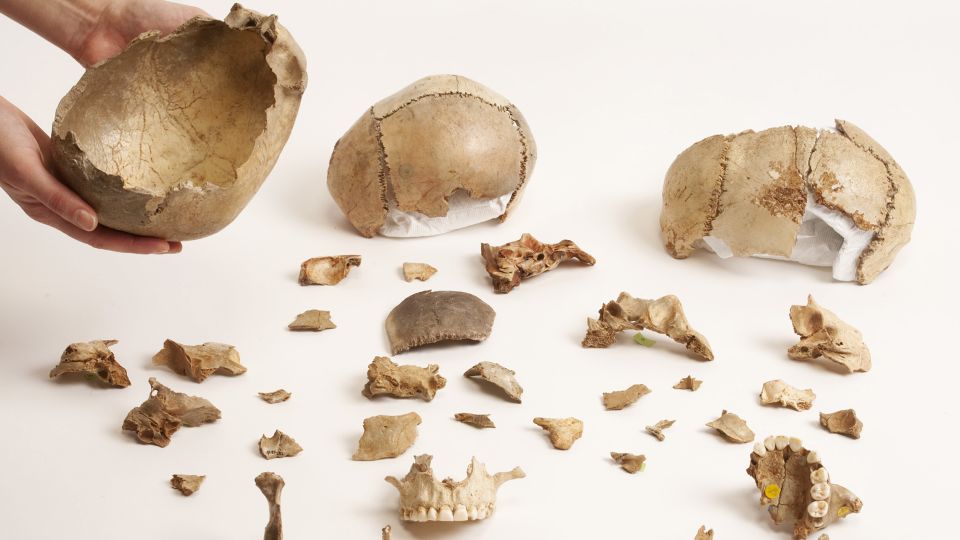
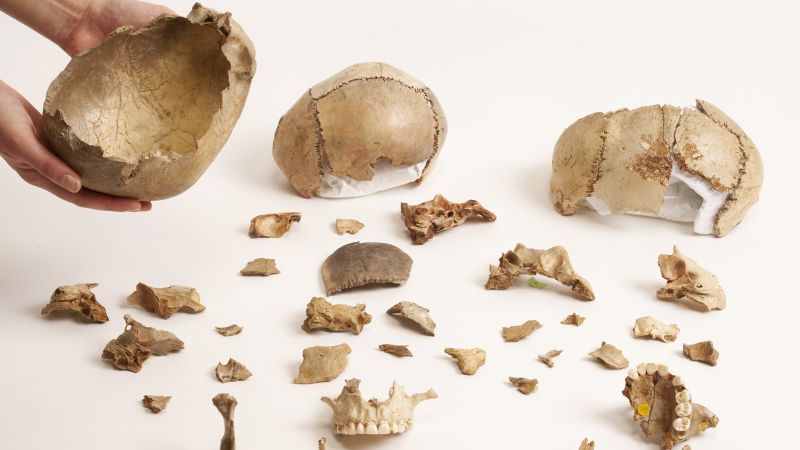
A new study published in the journal Quaternary Science Reviews reveals that cannibalism was a common funeral practice in Europe approximately 15,000 years ago. Researchers identified 59 Magdalenian sites with human remains, primarily in France but also in other European countries. Evidence of cannibalism was found at 15 of these sites, including chewed bones, skull bones with cut marks, and purposefully broken bones for extracting bone marrow. The manipulation of human remains and its widespread occurrence across northern and western Europe suggest that cannibalism was a burial practice rather than a dietary necessity. The study also found a correlation between funerary behavior and genetic ancestry, with the Magdalenian culture practicing cannibalism while the Epigravettian culture preferred burial.

"Stone Age Cannibalism: Uncovering Ancient Funeral Rituals and Human Consumption"
archaeology3 years ago

"Stone Age Cannibalism: Uncovering Ancient Funeral Rituals and Human Consumption"

A new study published in the journal Quaternary Science Reviews reveals that cannibalism was a common funerary practice in Europe approximately 15,000 years ago. Researchers identified 59 Magdalenian sites with human remains, primarily in France but also in other European countries. Evidence of cannibalism was found at 15 of these sites, including chewing marks on bones, cut marks on skull bones, and deliberate bone breakage for marrow extraction. The study suggests that cannibalism was a burial practice rather than a dietary necessity, indicating its cultural significance in Magdalenian society. The research also highlights a shift towards burial practices in a different culture called the Epigravettian. Further analysis is needed to fully understand these findings.

archaeology3 years ago

"Uncovering Ancient Leatherworking Techniques Through Bone Fragments"

Researchers have discovered a bone fragment from the hip of a herbivore, probably a horse or an aurochs, that may have been used to tailor outfits to fit thousands of years before the invention of the needle. The artifact was discovered in an open-air site near the delta of a stream in Gavà, Spain, and dates back to around 39,600 years ago. The bone exhibits six events of modification, and the holes were made by the same basic technique but using six different tools. The researchers deduced that groups of punctures must have been made during different sessions, and some were purposely aligned and equidistant and would have produced holes for stitching leather pieces together.