Tag

Genome Sequencing

All articles tagged with #genome sequencing

Five Founders, One Island: Amsterdam Island Cattle Defy Dwarfism Myths
science15 days ago

Five Founders, One Island: Amsterdam Island Cattle Defy Dwarfism Myths

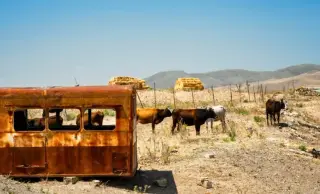
DNA from Amsterdam Island’s five founding cows shows mixed Jersey and Indian Ocean zebu ancestry, meaning the tiny herd did not shrink via rapid island dwarfism but started small with enough genetic diversity to rebound into thousands; the study, based on eight whole genomes, upends a 2017 dwarfism claim and suggests the founders carried traits favorable for isolation, despite about 30% inbreeding, before the herd was ultimately removed to protect native species.

Ancient Pine Genome Reveals a 23.8-Billion-Base Blueprint for Longevity
science1 month ago

Ancient Pine Genome Reveals a 23.8-Billion-Base Blueprint for Longevity

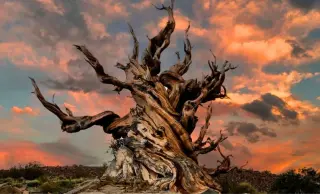
Scientists have produced the first complete reference genome for the 5,000-year-old Great Basin bristlecone pine (Pinus longaeva), a 23.8-billion-base-pair genome eight times the size of the human genome; the assembly, created with short- and long-read sequencing, reveals a genome rich in repetitive DNA and about 21,364 protein-coding genes. While some longevity-related features—such as disease-resistance genes and longer telomeres—were observed, the researchers cautioned that no single mechanism explains the tree’s lifespan. The genome provides a foundational resource for studying extreme longevity and the species’ response to environmental stress, and may inform conservation efforts.

Radiation-exposed fathers linked to subtle DNA changes in their children
science3 months ago

Radiation-exposed fathers linked to subtle DNA changes in their children

A Scientific Reports study analyzing whole-genome data from 130 offspring of Chernobyl cleanup workers, 110 offspring of radar operators, and controls finds a higher count of clustered de novo mutations (cDNMs) in children of irradiated parents (average 2.65 per child in the Chernobyl group, 1.48 in the radar group, 0.88 in controls), with higher parental radiation dose associated with more cDNMs. Most cDNMs occur in non-coding DNA, suggesting minimal disease risk, and the overall risk of disease in offspring remains small. The study notes limitations, including historical exposure estimates and potential participation bias, and emphasizes a transgenerational effect of prolonged low-dose ionizing radiation.

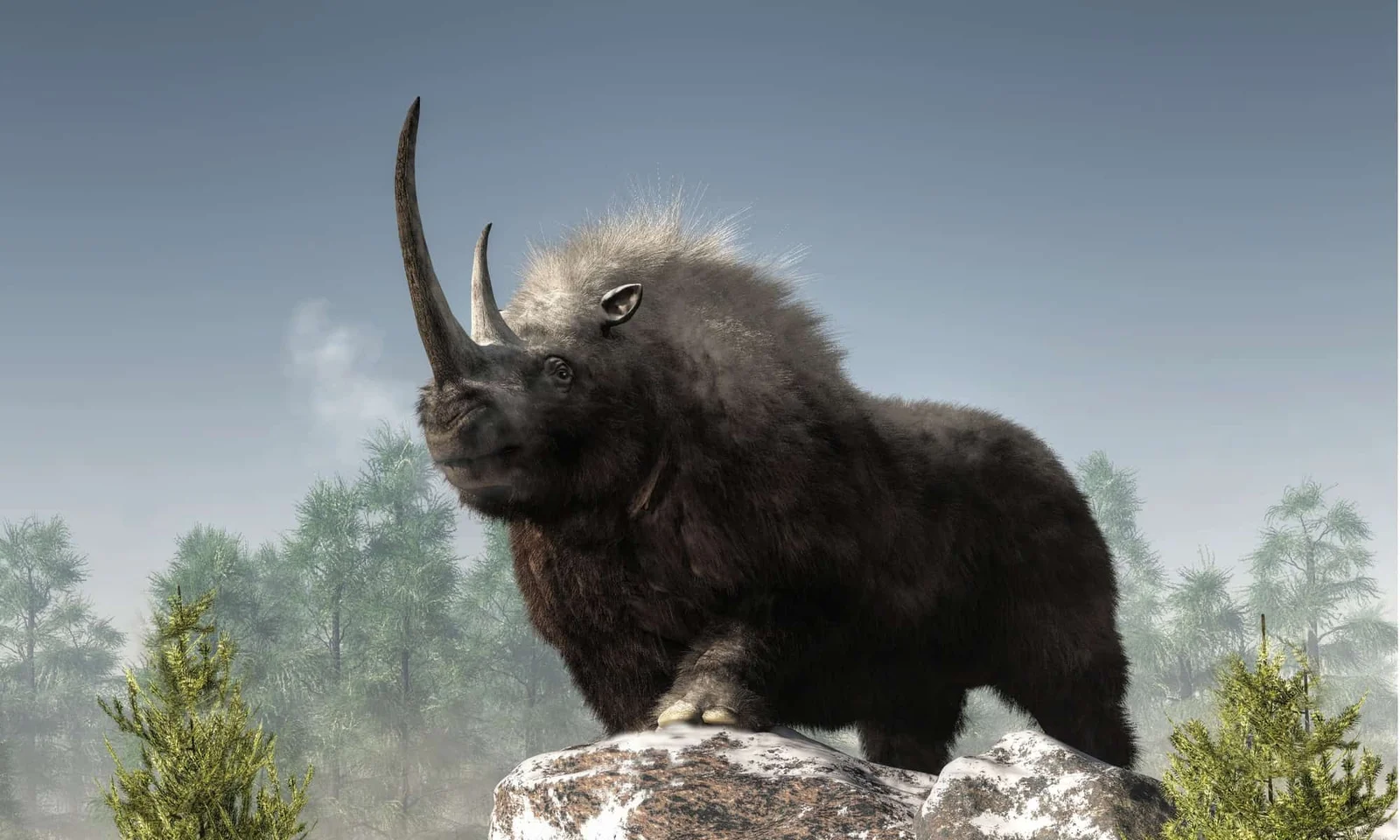
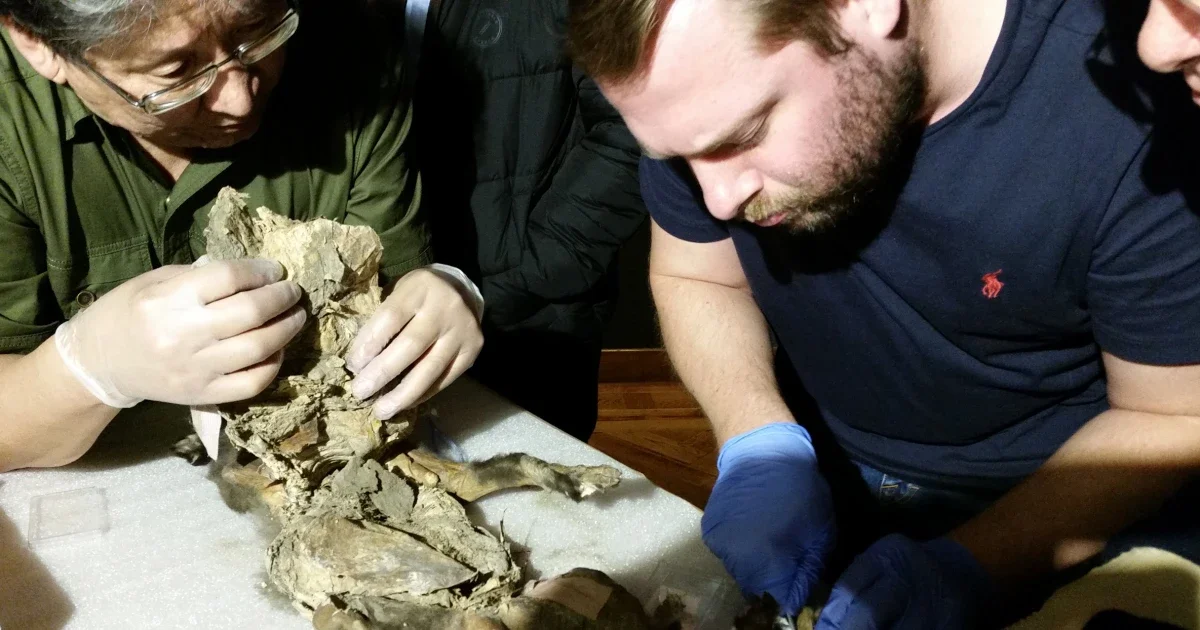
Woolly Rhino Genome Discovered Inside Ice-Age Wolf Pup
science4 months ago

Woolly Rhino Genome Discovered Inside Ice-Age Wolf Pup

In Siberian permafrost, scientists recovered a chunk of woolly rhinoceros tissue inside the stomach of one of two mummified Tumat wolf pups, enabling the first full genome of an Ice Age animal reconstructed from inside another Ice Age animal. The rhinoceros died about 14,400 years ago; its genome shows healthy genetic diversity up to near extinction, supporting climate change as the key driver of its demise rather than inbreeding. The finding highlights the value of preserved ancient DNA for understanding past ecosystems and informs conservation lessons for modern species facing warming and human pressures.

Svante Pääbo Links Neanderthal Extinction to Human Population Growth
science7 months ago

Svante Pääbo Links Neanderthal Extinction to Human Population Growth

Svante Pääbo, a pioneer in paleogenetics and Nobel laureate, has significantly advanced our understanding of human evolution by sequencing Neanderthal and Denisovan genomes, revealing interbreeding with modern humans, and exploring genetic traits inherited from these ancient relatives. His work suggests that modern humans absorbed Neanderthals rather than exterminated them, and highlights the influence of ancient DNA on present-day health and behavior. Pääbo also discusses the potential and limitations of reconstructing extinct species' genomes and the ethical considerations involved.

Mysterious Creature Holds Earth's Highest Chromosome Count
science8 months ago

Mysterious Creature Holds Earth's Highest Chromosome Count

The Atlas blue butterfly has the highest number of chromosomes ever recorded in an animal, with 229 pairs, resulting from chromosomes splitting into smaller sections over three million years. This discovery provides insights into evolution, adaptation, and potential implications for human cancer research, as chromosomal rearrangements are also seen in cancer cells.

Unraveling Barley's Domestication and Evolutionary History
science8 months ago

Unraveling Barley's Domestication and Evolutionary History

This study uses high-resolution haplotype-based genome sequencing of wild and domesticated barley, including ancient samples, to reveal a complex mosaic ancestry involving multiple wild populations, gene flow, and regional divergence, supporting a protracted, polycentric domestication process that continues to shape modern barley diversity.