
Six Explosions Later, a Star Defies Explanation
TL;DR
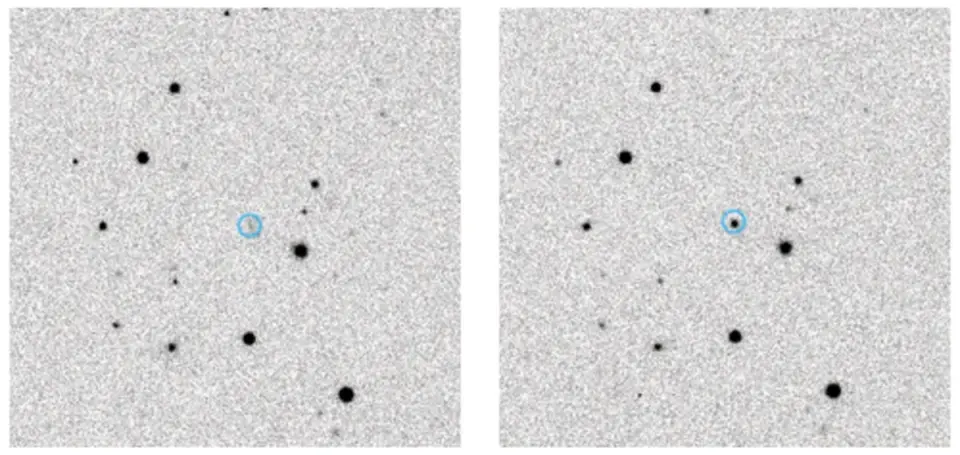
A star designated iPTF14hls, first seen in 2014 as a supernova, has since exploded at least six times, with its brightness peaking multiple times over about 1,000 days while staying at a steady 5,000–6,000 K. Archival data reveal a 1954 explosion at the same location, and the star—at least 50 solar masses—appears to eject material far more slowly than typical supernovae. Several ideas (antimatter burning, pulsational pair-instability, magnetar with evolving fields) fail to explain all features. The star faded into a remnant nebula by 2018, and the Hubble Space Telescope continues to monitor the site.
Want the full story? Read the original reporting
Read on Boing Boing