
Mitochondria form a direct tether to the nuclear pore to power the nucleus and influence cell fate
TL;DR Summary
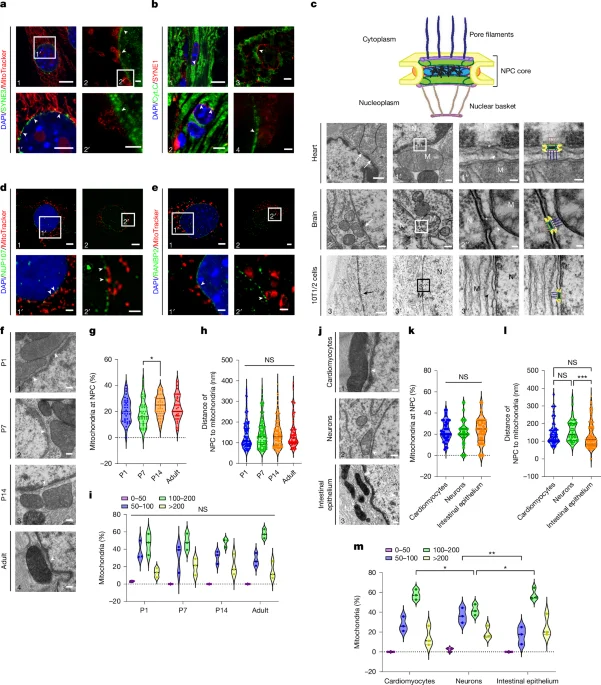
Scientists identify direct mitochondria–nuclear pore contacts mediated by VDAC1 and the RANBP2 C-terminal domain. Disrupting this interaction reduces mitochondria–nucleus proximity, lowers nuclear ATP and phosphocreatine, and alters the nuclear phosphoproteome, shifting pathways linked to histone modification, differentiation, and transcription. In vivo truncation of RANBP2’s CTD causes embryonic cardiac and neural crest defects, underscoring a vital mitochondria–nucleus communication axis that regulates nuclear energetics and cellular differentiation.
Reading Insights
Total Reads
0
Unique Readers
33
Time Saved
38 min
vs 39 min read
Condensed
99%
7,683 → 65 words
Want the full story? Read the original article
Read on Nature