biology9.48 min read
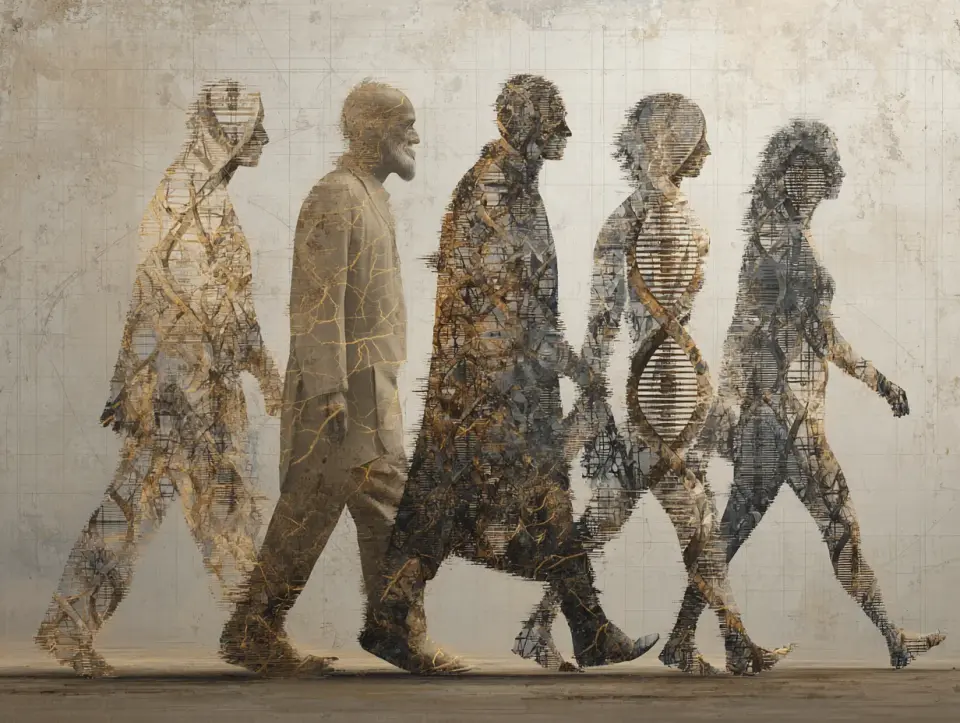
Debate Intensifies Over Whether Culture Is Replacing Genes in Human Evolution
14 days ago•Source: ZME Science

The latest biology stories, each synthesized from multiple sources with added background and context.
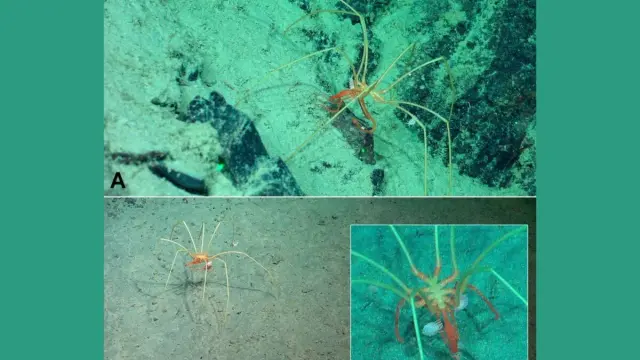
Scientists using a robotic submersible observed amphipods riding on a giant sea spider (Colossendeis colossea) about 10,000 feet beneath the Chilean margin, marking the first direct observation of mobile hitchhiking between these species. The researchers suggest the behavior could aid dispersal, mating, or foraging, pointing to a potentially common but underrecognized deep-sea ecological strategy and highlighting the need for more in‑situ studies.
sci.news•1 month ago
Quanta Magazine•1 month ago
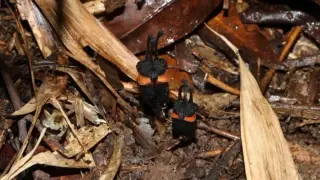
Scientists have described Thismia daemona, a horned, sunless flower found in a Thai montane forest; as a non-photosynthetic parasite reliant on subterranean fungal networks, fewer than 50 plants are known in a tiny patch, leading researchers to designate it critically endangered and highlighting the need to protect its forest habitat.

Paleontologists in Egypt's Western Desert uncovered fossilized shark teeth from at least seven extinct species in the Abu-Tartur Plateau's Duwi Formation, indicating a once-diverse shallow sea in the Late Cretaceous and identifying species new to the region, with teeth signaling varied feeding strategies across ecological niches.
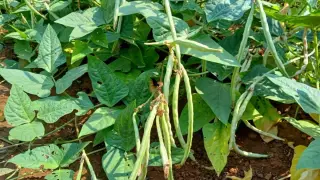
New research shows cowpea plants defend against leafminers by releasing airborne volatiles that attract parasitic wasps, and by exuding root compounds that reshape the surrounding soil microbiome. This soil-borne defense boosts the plant’s ability to recruit wasps even when not attacked, creating a multi-step indirect defense—potentially guiding sustainable pest management, though real-world duration of the effect remains uncertain.
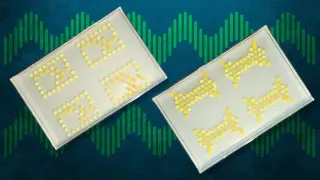
MIT scientists wired three strains of Pantoea agglomerans to act as transistors, forming “living circuit boards” that pass signals via output molecules. The setup can run multiple logic operations, with the largest circuit containing 24 colonies, but each calculation takes about eight hours and the whole system operates for roughly three days due to slow molecular diffusion and growth. Potential uses include monitoring plant roots for stress or pests, illustrating how simple cellular functions can be linked into larger biological circuits—even if not yet a replacement for traditional computers.
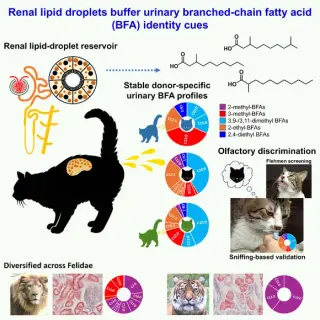
Researchers found domestic cats store 13 branched-chain fatty acids in kidney lipid droplets, forming a reservoir that slowly releases a distinctive urine fingerprint. This stable chemical signature remains detectable for about a day and varies by individual, helping cats identify one another over time and offering potential tools for odor management and scent-based tracking of wild felids.
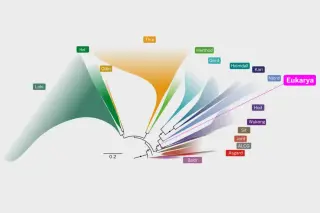
New genomic analyses strengthen the link between all complex life and a common Asgard archaean ancestor, with Hodarchaeales highlighted as a close relative. Scientists infer an anaerobic, hydrogen‑dependent acetogen that lived before the Great Oxidation Event over 2 billion years ago, forming the backbone of the Asgard–eukaryote connection. While subsequent studies and a 2026 correction reinforce this link, the exact branching order within the Asgard lineage remains debated as researchers refine where our branch sits on the tree.
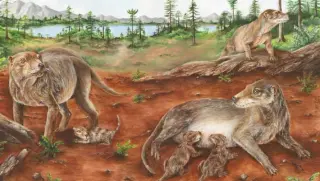
Analysis of a 236-million-year-old cynodont fossil from Argentina reveals a neonatal bone line indicating live birth, with a newborn mass around 1.68 kg (about 10–20% of an adult), suggesting viviparity originated in the mammalian lineage far earlier than thought (roughly 90–95 million years ago) and proposing two plausible evolutionary scenarios for this trait's emergence.
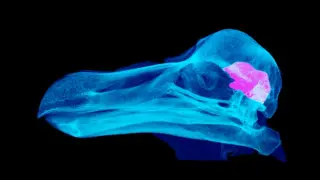
With only three preserved dodo skulls, researchers CT-scanned them and compared brain structures to pigeons, finding the dodo’s forebrain size isn’t disproportionately small for its body, challenging the view of the dodo as unintelligent; the study also hints at nocturnal traits via optic lobes, but stresses these remain speculative since no dodo brains exist to study directly.
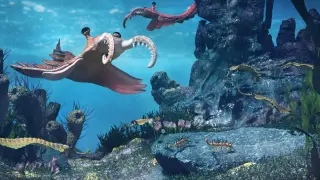
Researchers propose that a gradual, ocean-wide buildup of fecal matter redistributed nutrients, spurring the evolution of complex digestive systems and creating a feedback loop where more life produced more poop, contributing to the Cambrian Explosion.
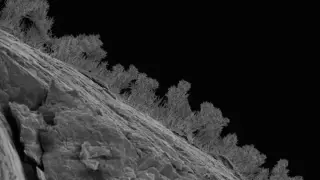
Researchers drilling into the Antrim Shale beneath the Great Lakes found a vibrant underground ecosystem: 689 fungal species (including 13 new ones) alongside tardigrades and worms, forming a subterranean food web fed by ancient organic matter. Isotopic dating links the water to the Ice Age, last in contact with surface about 11,000 years ago, suggesting deep subsurface biodiversity may be underestimated and could influence carbon cycling.