
Colossal Biosciences Sues Former Executive Over Alleged Trade Secret Theft
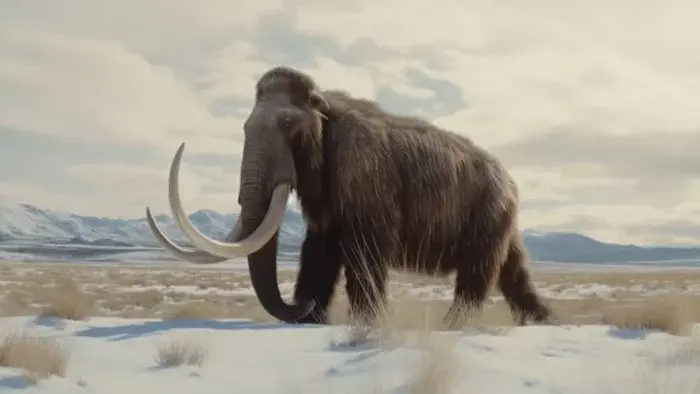
Colossal Biosciences has filed a federal lawsuit in Texas against former senior executive James Kehler, accusing him of misappropriating proprietary scientific data. The suit alleges Kehler transferred confidential information regarding multiplex genome editing and animal protocols to personal devices before resigning in April 2026. Colossal claims Kehler subsequently shared this know-how with Neion Bio and Felix Pets, ventures competing in avian medicine and allergen-free pet development, respectively. The company, valued at $10.2 billion, asserts these actions threaten its core de-extinction projects, including efforts to revive the dodo and woolly mammoth.
Key points
- Colossal Biosciences filed a lawsuit in US federal court in Texas on Friday, accusing former executive James Kehler of stealing trade secrets to advance competing ventures.
- The complaint alleges Kehler used his company laptop to transfer confidential data, including proprietary animal protocols and stem cell biology research, to personal cloud accounts and devices prior to his departure.
- Kehler is accused of bringing Colossal’s know-how to Neion Bio, a startup manufacturing medicines in chicken eggs, and Felix Pets, which is developing gene-edited cats for allergy sufferers.
- Colossal, founded in 2021 by Ben Lamm and George Church, claims the underlying technology for its de-extinction projects overlaps with the manufacturing processes of its competitors.
- The lawsuit highlights the sensitivity of Colossal’s proprietary methods, which include efforts to revive extinct species like the moa, dodo, and woolly mammoth, as well as research on allergen-free cats.
Background
Colossal Biosciences, based in Dallas, has recently advanced its dodo revival project using an AI platform called GenoMorph to identify genetic traits in the Nicobar pigeon, the dodo’s closest living relative. The company previously claimed to have completed the first de-extinction event by producing dire wolf pups from edited gray wolf genomes in April 2025, though critics have debated the scientific validity of these results. Colossal was valued at $10.2 billion in a January 2025 funding round led by TWG Global, with investors including Mark Walter, In-Q-Tel, and Paris Hilton. The company has also announced a partnership with the US government to preserve genetic material from endangered species.
Why it matters
This litigation underscores the intense competition and high stakes within the emerging field of de-extinction and gene editing. As Colossal Biosciences seeks to commercialize its proprietary genome editing and stem cell technologies, the alleged theft of trade secrets by a senior executive raises significant concerns about intellectual property protection in the biotech sector. The case may set precedents for how companies safeguard confidential research data when employees move to competing ventures, particularly in a field where technological overlap between species revival and medical applications is increasingly blurred.
What to watch
The case will proceed through the US federal court system in Texas, where Colossal will seek damages for the alleged misappropriation of its core competitive advantage. Kehler has not yet responded to requests for comment. The outcome of this lawsuit could influence how biotech firms handle employee departures and the transfer of sensitive scientific data, potentially impacting the pace and security of future de-extinction and gene editing projects.
Want the full story? Read the original reporting
Read on Financial Times