
Antarctica Hits Record Cold of -119 F, Matching 2012 Extreme
Antarctica recently recorded a temperature of minus 119 Fahrenheit, marking the coldest measurement on Earth since 2012. This extreme reading highlights the continent's capacity for severe cold snaps, even within the broader context of global warming trends.
Key points
- The temperature reached minus 119 Fahrenheit, a record low for the current period.
- This is the coldest temperature recorded on Earth since 2012.
- The event underscores the variability of Antarctic weather patterns.
Background
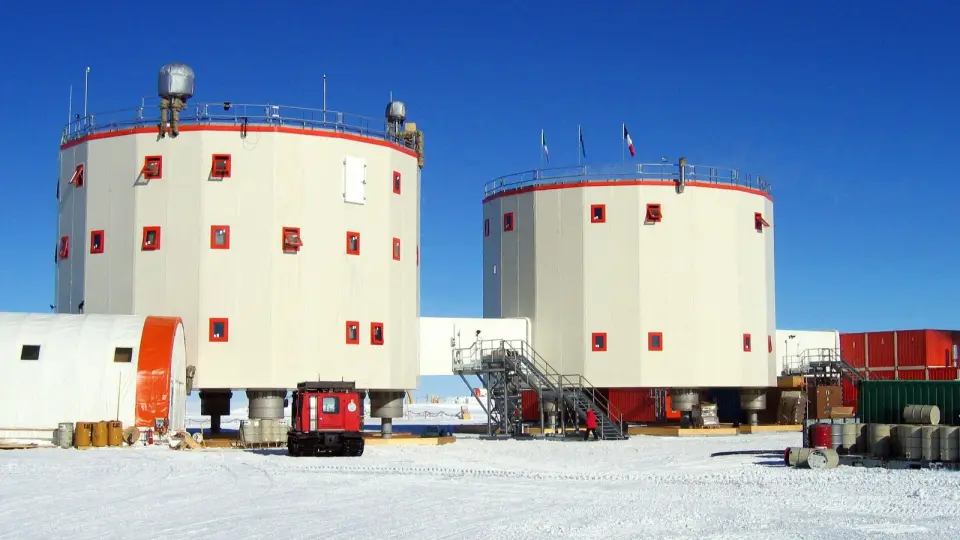
Antarctica is a cold desert that stores approximately 70% of the world's fresh water in an ice sheet averaging over two kilometers thick. While the continent is warming overall, its interior remains prone to extreme cold due to high elevation and dry conditions. Previous coverage noted that warming may intensify coastal ice loss, such as at Thwaites Glacier, while potentially increasing snowfall inland. The extreme cold event aligns with the continent's role as a critical archive for climate history, preserved in ice cores and snow vaults near stations like Concordia.
Why it matters
Extreme cold events in Antarctica provide critical data for understanding climate variability and the stability of the planet's largest freshwater reserve. Such temperatures influence ice sheet dynamics and atmospheric patterns, offering insights into how the continent responds to changing global conditions.
What to watch
Scientists will analyze the atmospheric conditions that led to this temperature drop to better model future climate scenarios. Continued monitoring of Antarctic temperatures will help distinguish between natural variability and long-term warming trends, informing predictions about sea-level rise and ice sheet stability.
Want the full story? Read the original reporting
Read on Live Science