
Unprecedented Late-Season Glacier Melting Signals Climate Crisis
TL;DR Summary
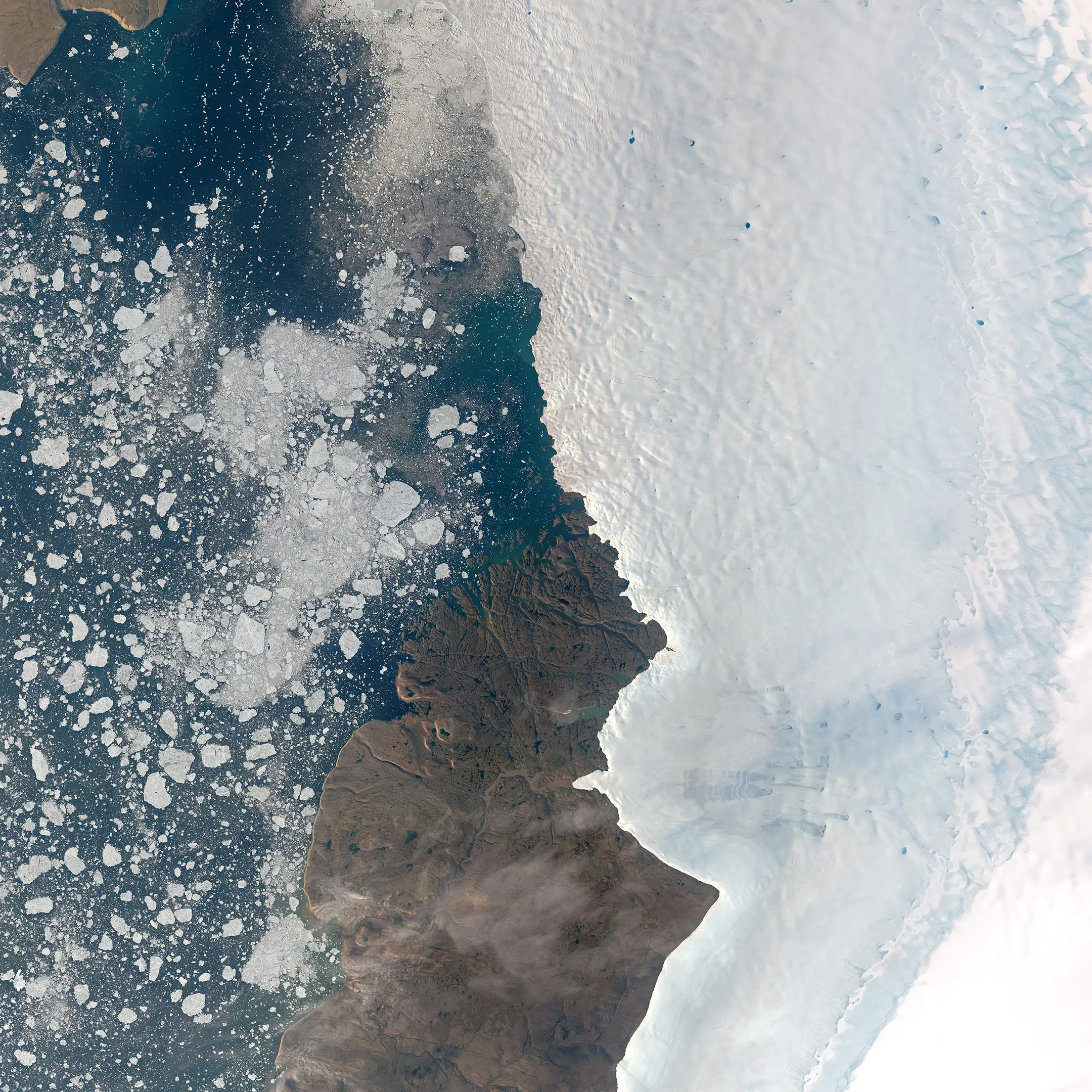
Unusual late-season melting occurred on the Humboldt Glacier in Greenland, turning its surface into a mixture of ice, firn, melt, and dirt. The melting, caused by unseasonably warm weather, peaked on August 22, covering about 45 percent of the ice sheet's surface. This late-season melting contributes to cumulative losses within a season and can impact future melt seasons by delaying the accumulation of surface snow. The 2023 late-season melt event ended with the second-largest cumulative melt area in the satellite record, trailing only 2012.
Reading Insights
Total Reads
0
Unique Readers
10
Time Saved
2 min
vs 3 min read
Condensed
81%
440 → 84 words
Want the full story? Read the original article
Read on SciTechDaily