
Arctic Icebergs Seed Hidden Coral Gardens on the Seafloor
TL;DR
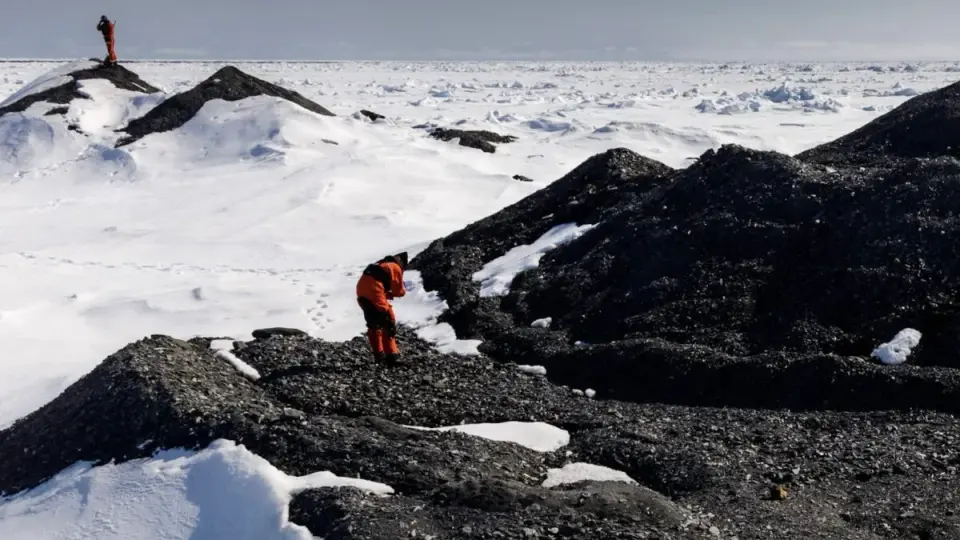
Researchers using satellite imagery and a network of undersea sensors found that debris-laden icebergs drop dropstones onto the Arctic seafloor, creating hard substrates that enable new habitats for soft corals, sea anemones, sponges and bryozoans, boosting deep-sea biodiversity. Most icebergs traced to glaciers in northeastern Greenland and the Russian High Arctic, linking iceberg flux to warming. The findings also highlight navigational and bottom-trawling hazards from deposited rocks, a risk now prompting private firms to provide timely iceberg data to mariners.
Topics:scienceearth-science#arctic#biodiversity#climate-change#earth-science#icebergs#marine-biology
- Scientists Tracked These Strange Arctic Icebergs and Found Something Unexpected on the Seafloor Gizmodo
- Amplified Arctic iceberg traffic reshapes benthic biodiversity Nature
- Four times as many icebergs calved from Greenland glaciers: study France 24
- Icebergs putting oceans at risk by carrying debris: study Northwest Signal
- Retreating glaciers increase iceberg sightings and reshape deep-sea habitats Inside Ecology
Want the full story? Read the original reporting
Read on Gizmodo