
Revealing the Ancient India-Asia Collision in the Western Himalayas
TL;DR Summary
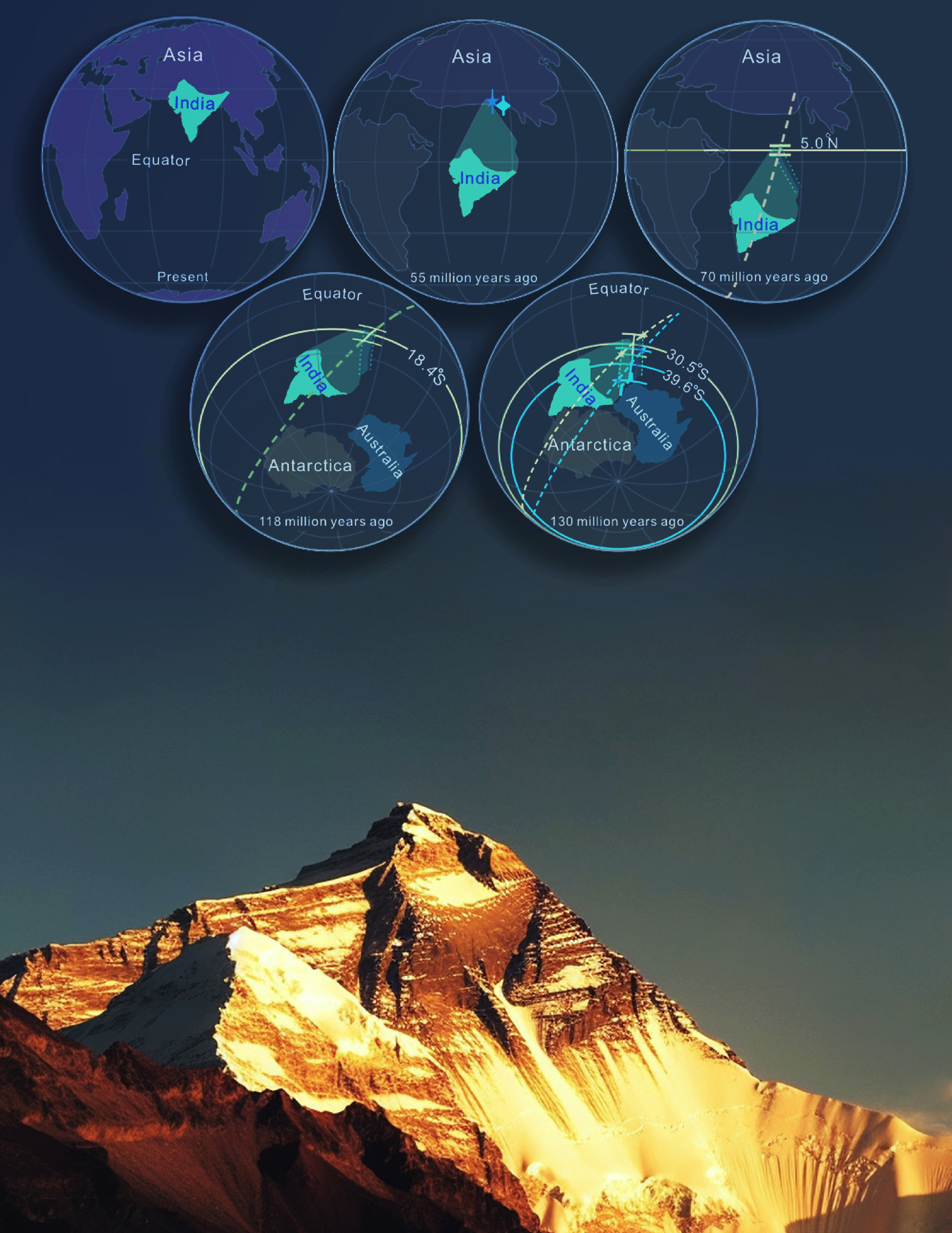
New research suggests that the extent of Greater India, a part of the Indian Plate that broke away from the Gondwana supercontinent, was much larger than previously estimated, spanning 2,000 to 3,000 km. The study, which combined geologic, paleontologic, and paleomagnetic data, sheds light on the age and paleomagnetic record of the India-Asia collision and provides insights into the formation of the Tibetan Plateau. The findings challenge existing notions of the region's tectonic history and contribute to a better understanding of the geological structures in the Western Himalayas.
Reading Insights
Total Reads
0
Unique Readers
11
Time Saved
3 min
vs 4 min read
Condensed
87%
666 → 88 words
Want the full story? Read the original article
Read on Phys.org