
Lab Tests Reveal Fractured Magnetite as Key to Australia's Subterranean Hydrogen Reserves
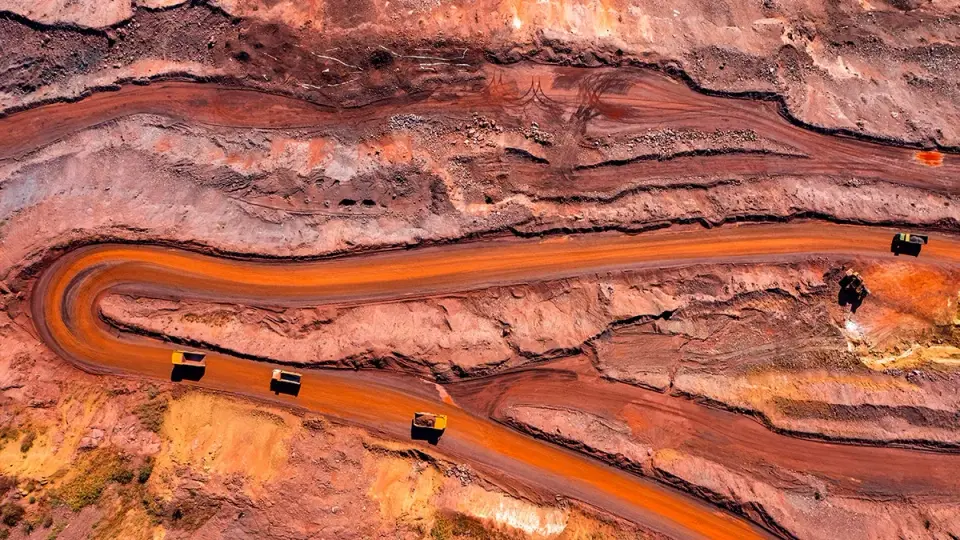
A new study from Edith Cowan University confirms that natural hydrogen can be generated when hot water reacts with magnetite in Western Australia's iron ore deposits. Lab experiments showed that fractured magnetite powder produces five times more hydrogen than solid slabs, highlighting the importance of rock permeability. While the findings suggest a massive potential energy reserve, significant challenges remain in extraction and scaling.
Key points
- Researchers at Edith Cowan University published findings in the International Journal of Hydrogen Energy regarding natural hydrogen production from magnetite in Western Australia.
- Experiments simulating underground conditions at 200 degrees Celsius for 60 days demonstrated that magnetite powder yields five times more hydrogen per gram than solid slabs.
- The study indicates that fractures and permeable pathways are critical for water access, which drives the chemical reaction that generates hydrogen.
- The reaction converts magnetite into hematite, which may form a protective layer that limits further water access and hydrogen generation over time.
- Researchers emphasize that these lab results help bridge the gap between theoretical models and real-world geological systems for future extraction strategies.
Background
This research builds on earlier August 2026 reports from our archive that first identified the potential for magnetite in Western Australia's Pilbara region to generate hydrogen underground. Those initial reports highlighted the role of fracture access and potential injection methods to boost output. This new study provides quantitative data on the efficiency differences between powder and slab forms, refining the understanding of how geological geometry impacts hydrogen yield.
Why it matters
If Australia can successfully extract this naturally occurring hydrogen, it could transition from a fossil-fuel-dependent producer to a major global exporter of clean energy. The discovery of efficient production zones within fractured rock could significantly reduce the costs and environmental impact associated with current green hydrogen production methods, potentially enhancing national energy independence during crises.
What to watch
Future research will focus on translating these lab findings into field applications, specifically modeling how to enhance hydrogen generation in real geological settings. Researchers aim to determine if injecting specific solutions can overcome the hematite barrier and sustain long-term production from these vast underground reserves.
Want the full story? Read the original reporting
Read on ScienceAlert