
Clear-Cut Forests Regrow in Stages, With Full Ecosystem Recovery Taking Centuries
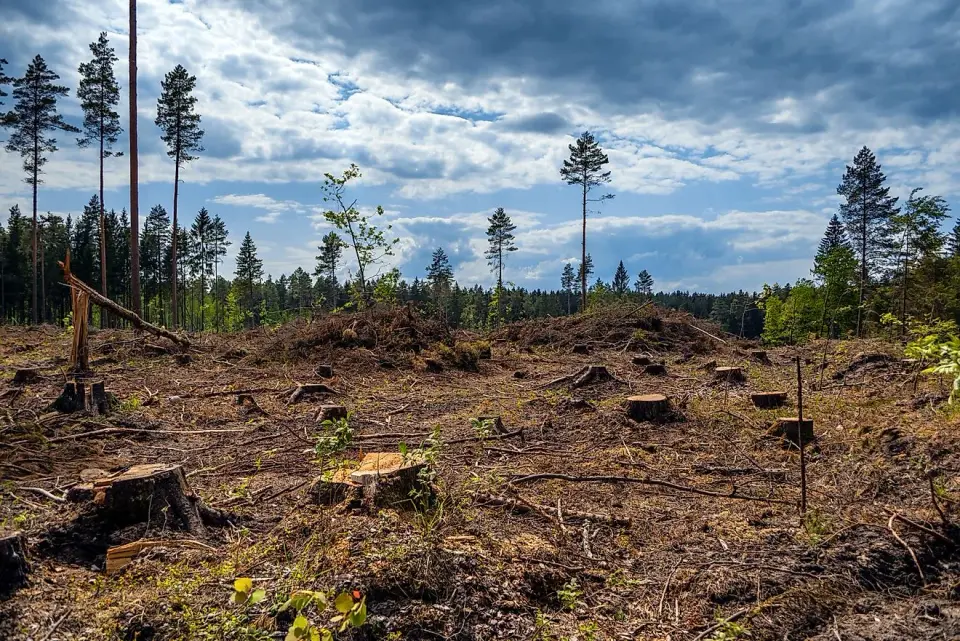
Clear-cutting removes trees but leaves the land open for rapid initial growth. Grasses and shrubs cover the ground within two to three years, while young woodlands form within a decade. However, restoring the original forest composition, including large trees and complex biodiversity, can take over a century, with some elements never fully returning.
Key points
- Initial greenery returns within 2-3 years, but substantial young tree growth takes 10-30 years.
- Boreal forest vascular plants take roughly 85 years to resemble unharvested mature forests.
- Lichens require about 95 years to recover, while bryophytes may not return within 100 years.
- Regrowth depends on soil, climate, and existing seeds or stumps, leading to varied outcomes.
- Fast-growing species like yellow-poplar often dominate, altering the original species mix.
Background
This topic relates to broader discussions on deforestation and land management. While our archive focuses on sports and business, the environmental implications of logging practices are a recurring theme in global sustainability discussions. The detailed timelines provided here offer a scientific baseline for understanding the long-term impacts of industrial forestry.
Why it matters
Understanding these timelines is crucial for sustainable forestry and conservation efforts. It highlights that 'regrowth' is not instantaneous and that ecological complexity takes generations to restore. This knowledge informs policy on logging permits, reforestation projects, and the protection of old-growth forests, which serve as critical habitats for biodiversity and carbon storage.
What to watch
Researchers continue to monitor long-term sites to refine these estimates. Future studies may focus on how climate change accelerates or delays these recovery phases. Additionally, there is growing interest in 'assisted regeneration' techniques to speed up the return of specific native species that are slow to recolonize naturally.
Want the full story? Read the original reporting
Read on WorldAtlas