
Raleigh Soccer Park Tests Scent-Based Traps to Combat Mosquito Resistance
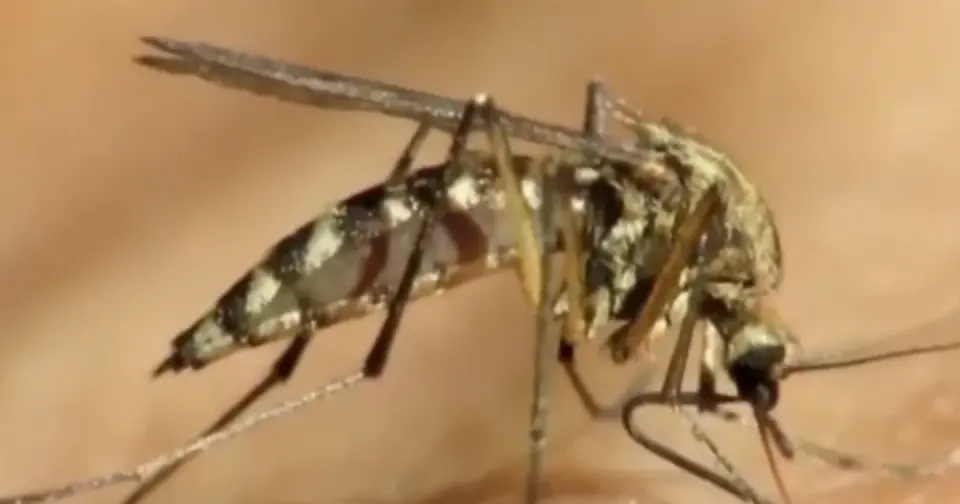
NCFC Youth is piloting pesticide-free mosquito traps at its Raleigh soccer park to address growing insecticide resistance and reduce chemical exposure for children. The system uses carbon dioxide and artificial scents to attract mosquitoes, capturing over 9,000 insects since mid-July without using sprays.
Key points
- Three traps installed at WRAL Soccer Park have captured over 9,000 mosquitoes since mid-July, all identified as females.
- The pilot uses Biogents technology, which mimics human scent and breath to attract mosquitoes, avoiding the use of light that attracts other insects.
- Wake County mosquitoes show rising resistance to pyrethroids, with NC State studies finding resistance mutations in 84% of residential blocks in 2023, up from zero in 2016.
- Climate change has extended the mosquito season in Raleigh by 27 days between 1979 and 2022, increasing the need for control measures.
- NCFC Youth aims to reduce pesticide exposure for children, noting that the traps are quiet and unobtrusive, though expansion depends on future data.
Background
This pilot follows a broader trend of exploring non-chemical mosquito control methods, as seen in Disney World's layered ecological strategies. It also occurs amid rising concerns over mosquito-borne diseases, such as recent West Nile virus detections in North Carolina and Pennsylvania, which have prompted health officials to urge increased precautions and surveillance.
Why it matters
As mosquitoes evolve resistance to common insecticides and climate change extends their active season, traditional spraying methods become less effective and potentially more harmful to non-target species. This pilot offers a potential alternative that reduces chemical exposure for vulnerable populations, such as children in sports facilities, while addressing the growing challenge of pesticide-resistant mosquito populations.
What to watch
NCFC Youth will evaluate the pilot's effectiveness by monitoring catch numbers over several months. If the data shows a significant decline in mosquito activity, the organization may consider expanding the trap system to cover more of the soccer complex, potentially requiring around 10 traps for a larger perimeter.
Want the full story? Read the original reporting
Read on WRAL