
Astrophysicist Kelly Holley-Bockelmann Relocates to Netherlands Amid U.S. Research Disruptions
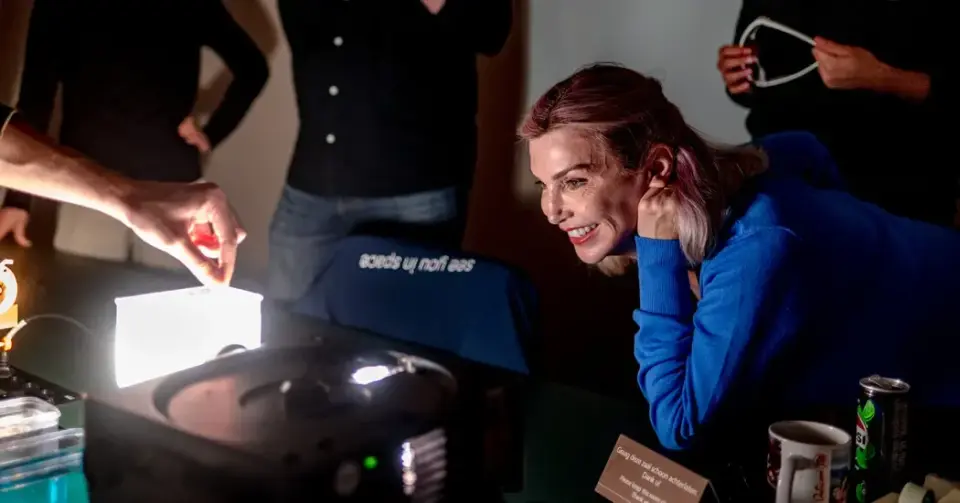
Kelly Holley-Bockelmann, a prominent astrophysicist, has left the United States to take a position in Leiden, Netherlands, citing disruptions to her work caused by recent U.S. policies. Her move highlights a growing trend of American scientists relocating abroad due to funding uncertainties and regulatory changes under the current administration. European nations have launched multimillion-dollar initiatives to attract this talent, with the EU’s 'Choose Europe for Science' program alone offering $567 million in new funding since 2025. While the specific policy triggers for her departure are not detailed in the report, her relocation underscores the broader 'brain drain' affecting U.S. research institutions. The Netherlands welcomed her with a formal invitation, emphasizing the global competition for scientific expertise. This development occurs against a backdrop of increasing political pressure on federal research agencies and a shift in international scientific collaboration.
Key points
- Kelly Holley-Bockelmann, a top astrophysicist, has moved from Tennessee to Leiden, Netherlands, to continue her research.
- Her departure is attributed to U.S. policies that negatively impacted her work, contributing to a broader 'brain drain' of American scientists.
- European countries have launched significant funding programs to recruit U.S. researchers, including the EU’s $567 million 'Choose Europe for Science' initiative.
- The Netherlands welcomed Holley-Bockelmann with a formal note, highlighting the strategic importance of attracting top-tier scientific talent.
- This move reflects a wider trend of U.S. scientists seeking stability and support abroad amid domestic policy disruptions.
Background
This development follows a period of significant political and policy shifts in the U.S. that have affected various sectors, including science and research. Recent events, such as the resignation of senior administration officials over stalled policies and the release of comprehensive plans to reverse executive actions, indicate a broader environment of institutional instability. While earlier archive articles focus on political and economic crises, they underscore the heightened scrutiny and potential disruption of federal programs, which may have contributed to the uncertainty faced by researchers like Holley-Bockelmann. The current move aligns with a growing pattern of international competition for scientific talent, driven by perceived domestic policy risks.
Why it matters
The departure of high-profile scientists like Kelly Holley-Bockelmann signals a potential long-term impact on U.S. scientific leadership and innovation. As European nations aggressively recruit American researchers with substantial funding, the U.S. risks losing critical expertise and research momentum. This trend could affect national competitiveness in fields like astrophysics and technology, while also highlighting the sensitivity of research institutions to political changes. For policymakers, it underscores the need to stabilize funding and regulatory environments to retain talent and maintain global scientific influence.
What to watch
Monitor further announcements from U.S. research institutions regarding staff retention and funding stability. Track the progress of European recruitment programs, such as the EU’s 'Choose Europe for Science,' to assess their effectiveness in attracting American scientists. Watch for potential policy adjustments in the U.S. that may address concerns about research funding and regulatory uncertainty. Additionally, observe if other prominent scientists follow Holley-Bockelmann’s lead in relocating abroad, which could indicate a broader shift in the global scientific landscape.
Want the full story? Read the original reporting
Read on The New York Times