
Study Reveals 4,139 Microscopic Animals Hidden Inside Pacific Mining Targets
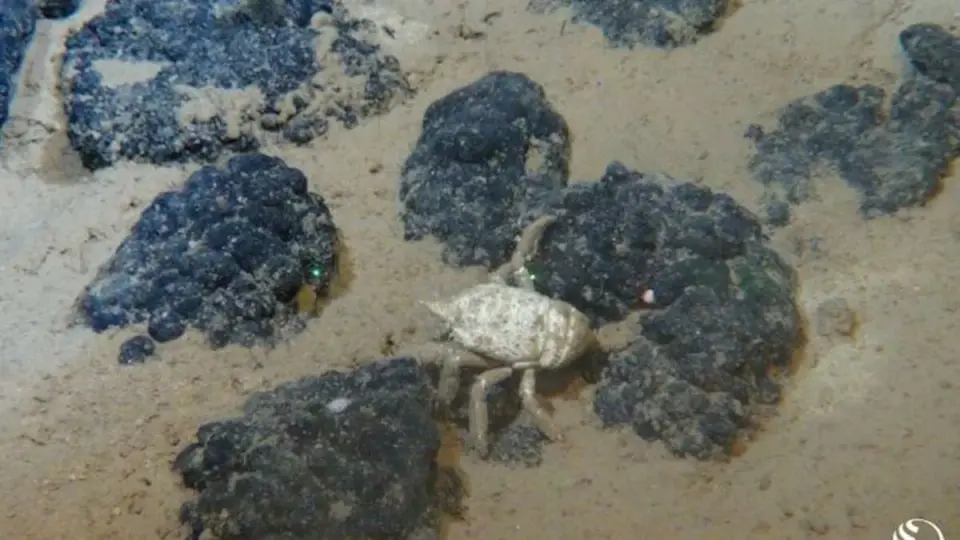
New research published in Scientific Reports reveals that polymetallic nodules in the Pacific Ocean harbor distinct ecosystems of microscopic animals within their internal cracks. Researchers found 4,139 individuals across 244 nodules in the Clarion-Clipperton Zone, with some rocks hosting up to 245 creatures. These nodules, which take millions of years to form, provide unique hard-surface habitats absent in surrounding soft sediment. The discovery highlights potential irreversible biodiversity loss from commercial deep-sea mining, which targets these rocks for critical metals like manganese and cobalt. While the industry is currently in trial phases, scientists warn that removing these non-renewable formations could eliminate specialized species, including single-celled organisms adapted solely to nodule crevices.
Key points
- Researchers identified 4,139 animals across 244 polymetallic nodules in the Clarion-Clipperton Zone, with an average of 17 inhabitants per rock and a maximum of 245 in a single specimen.
- The nodules’ internal crevices create unique micro-habitats distinct from the surrounding soft sediment, supporting communities that remain consistent across distances of up to 1,000 kilometers.
- Polymetallic nodules form over millions of years, adding only millimeters per million years, making them effectively non-renewable on human timescales.
- Specific species, such as the single-celled organism Thurammina sp. 1, appear adapted exclusively to life within nodules, raising concerns about potential extinction if mining proceeds.
- Co-author Sabine Gollner warns that commercial mining could cause irreversible loss of undescribed biodiversity, urging this factor to be included in environmental management decisions.
Background
This discovery adds to a growing body of evidence regarding the ecological complexity of the deep ocean. In November 2026, a separate large-scale expedition in the same Clarion-Clipperton Zone identified 788 species, many new to science, and measured a 37% decline in animal numbers along mining trial tracks. Earlier in 2026, USGS researchers also warned that certain deep-sea rocks can spontaneously combust when exposed to air, highlighting additional safety hazards for the industry. These findings occur as the US moves to approve the first commercial mining permit, bypassing some international regulatory delays, while the industry remains in the technology trial phase rather than full-scale commercial operation.
How outlets are covering it
Gizmodo and Popular Mechanics emphasize the unique nature of the nodule habitats, noting that the communities inside the rocks differ significantly from those in the surrounding mud. Popular Mechanics additionally highlights the 'dark oxygen' controversy, where some scientists dispute claims that nodules produce oxygen without sunlight, though this remains a separate debate from the biodiversity findings. Science Daily provides specific quantitative data, noting that nematodes in nodules represent about 10% of those in surrounding sediment, while copepods account for 25%. Futra focuses on the broader regional impact, reporting that mining trials caused a 32% reduction in species diversity and a 37% drop in animal numbers, suggesting that while impacts are significant, they may be less severe than the most pessimistic predictions. All sources agree that the slow formation rate of nodules makes any loss irreversible on human timescales.
Why it matters
The discovery of complex, unique ecosystems within mining targets challenges the assumption that deep-sea floors are barren. As global demand for critical metals like nickel and cobalt rises, the potential for irreversible biodiversity loss from removing millions of nodules becomes a central environmental concern. The findings underscore the need for comprehensive biodiversity assessments before commercial mining begins, particularly in protected areas of the Clarion-Clipperton Zone where little is known about the flora and fauna. If species are restricted to these nodules, their removal could lead to global extinction, complicating the balance between technological resource needs and ecological preservation.
What to watch
Researchers are currently participating in international expeditions to the Clarion-Clipperton Zone, funded through projects like MiningImpact 2 and 3, to further study these ecosystems. The goal is to determine if species found in nodules exist elsewhere in the ocean or are restricted to these specific habitats. This data will be crucial for evaluating the ecological damage of deep-sea mining and identifying areas that require protection. The industry continues its technology trials, but the scientific community is racing to document the biodiversity before potential commercial operations begin, aiming to inform environmental management policies and regulatory decisions.
- Tiny Deep-Sea Creatures Live Inside Rocks Targeted for Mining Gizmodo
- Miles Below the Pacific, Rocks Litter the Abyss. Something Is Alive Inside Them—Thousands of Somethings. Popular Mechanics
- Hidden ecosystem: Scientists discover 245 animals living inside a single deep-sea rock Science Daily
- In a patch of Pacific seafloor targeted for mining, scientists counted 788 species, most new to science. Where a mining machine passed, animals dropped 37% Futura, le média qui explore le monde
- Tiny animals found living inside deep-sea nodules as US weighs first commercial mining permit Oceanographic Magazine
Want the full story? Read the original reporting
Read on Gizmodo