
Zooplankton: The Silent Culprits Behind the Plastic Crisis
TL;DR Summary
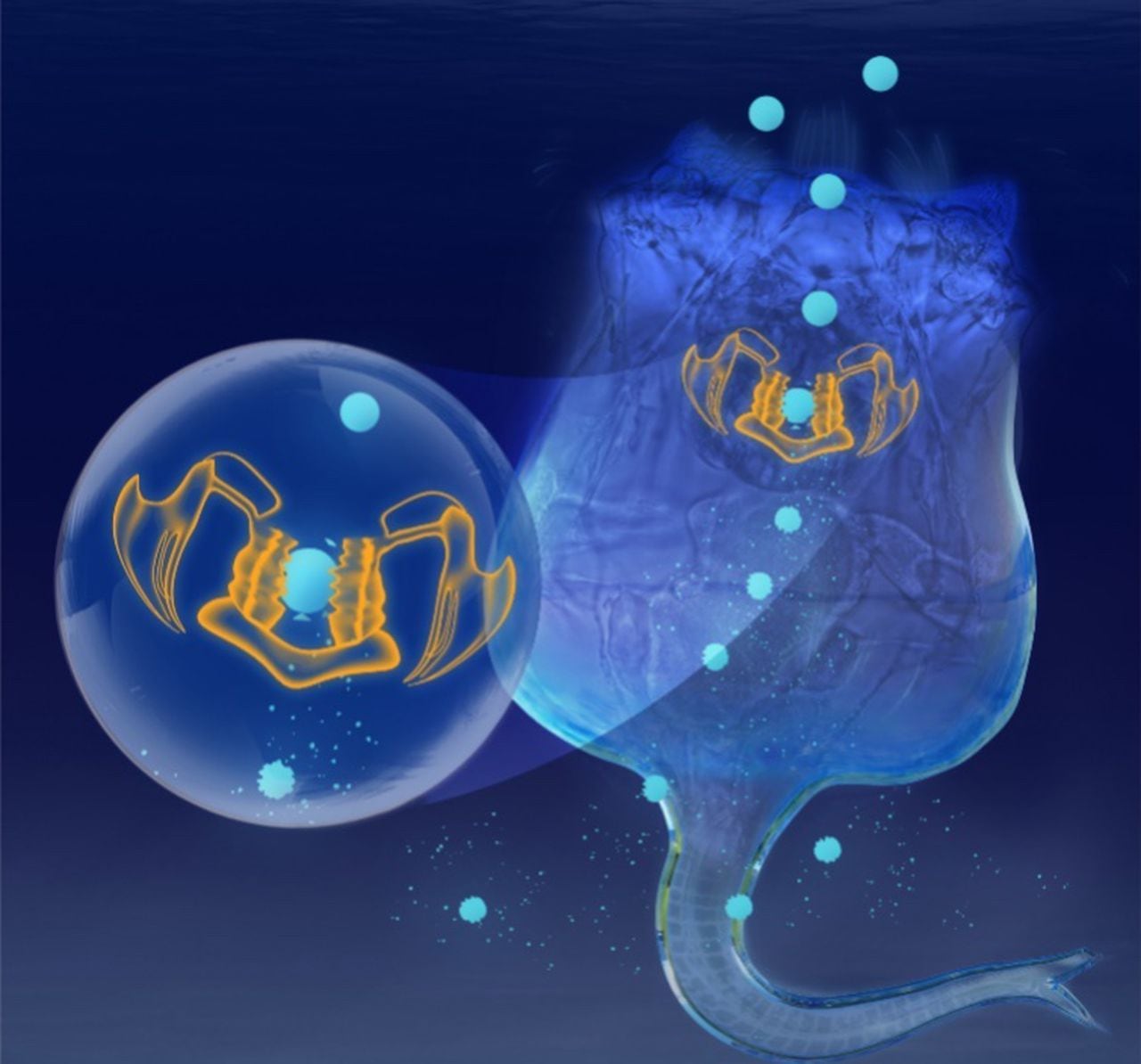
New research from the University of Massachusetts Amherst reveals that rotifers, a type of microscopic plankton found worldwide, have the ability to chew apart microplastics and create even smaller and potentially more dangerous nanoplastics. Each rotifer can produce between 348,000 to 366,000 nanoplastic particles per day. As microplastics break down into nanoplastics, the particles become more easily spread and pose a greater risk to human health and the environment. The study highlights the need for further research on the impact of nanoplastics and collaboration between scientists to understand the threat they pose.
- You might be getting sick from microscopic creatures chewing up plastic, new research finds MassLive.com
- Zooplankton are rapidly escalating the threat of marine nanoplastics Earth.com
- Microplastic-eating plankton may be worsening crisis in oceans, say scientists The Guardian
- Zooplankton in ocean and freshwater are rapidly escalating the global environmental threat of plastics, finds study Phys.org
Reading Insights
Total Reads
0
Unique Readers
10
Time Saved
3 min
vs 3 min read
Condensed
85%
600 → 92 words
Want the full story? Read the original article
Read on MassLive.com