
August Crape Myrtle Care: Water Deeply, Skip Pruning, and Watch for Pests
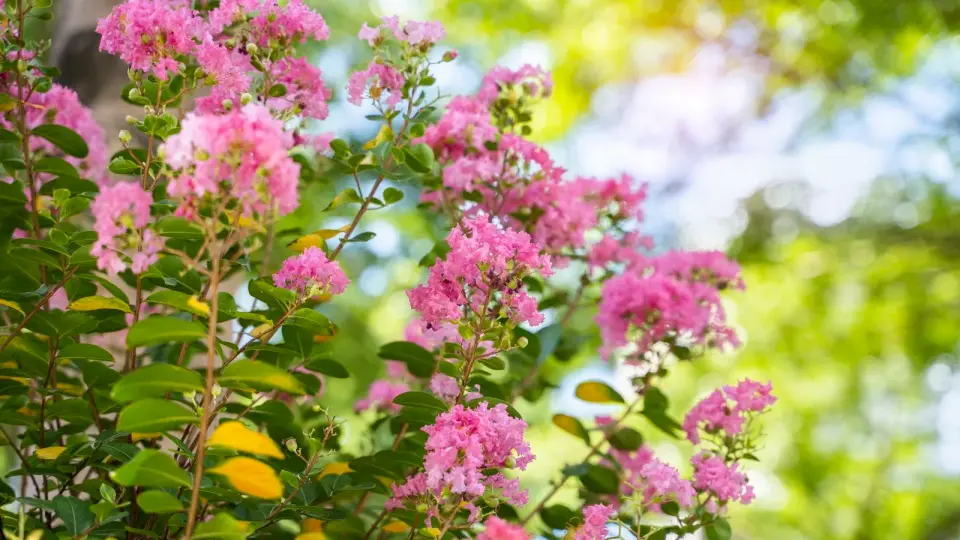
Homes and Gardens advises that August is a critical period for crape myrtles in USDA Hardiness Zones 6-9, requiring deep watering during dry spells and vigilant pest monitoring. The publication emphasizes that established plants should not be pruned in late summer to avoid stressing tender new growth during peak heat. Instead, gardeners should focus on maintaining soil moisture and removing spent flowers to encourage additional blooms, while saving structural pruning for late winter dormancy.
Key points
- Water deeply once or twice a week during extended heat to encourage deep root growth, rather than shallow daily watering.
- Avoid pruning in August; structural cuts should be saved for late winter dormancy to prevent stress on new growth.
- Monitor for aphids, Japanese beetles, and crape myrtle bark scale, treating insects first to resolve sooty mold.
- Deadhead spent flowers or seed pods to improve appearance and potentially trigger another flush of blooms.
- Ensure plants receive six to eight hours of direct sunlight, which is more critical for flowering than fertilizer.
- Stop fertilizer applications before fall to allow plants to enter dormancy naturally.
Background
This guidance follows earlier summer gardening advice and aligns with general late-summer plant care strategies. While unrelated to recent news about gas prices or health guidelines, it reflects the ongoing need for seasonal maintenance in hot climates, particularly in regions experiencing prolonged dry spells.
Why it matters
Proper August care prevents long-term damage to crape myrtles, ensuring they survive the heat and produce healthy blooms in subsequent seasons. Mismanagement, such as improper pruning or insufficient watering, can lead to plant stress and reduced vitality, making timely, correct interventions essential for garden health.
What to watch
Gardeners should continue monitoring for pests and maintaining moisture levels through September. As temperatures drop, they will prepare for fall by ensuring no new fertilizer is applied, allowing the plants to transition into dormancy. Structural pruning will be scheduled for late winter when the plants are dormant.
Want the full story? Read the original reporting
Read on Homes and Gardens