
Leatherman Multitools: From Budget Garden Helpers to Premium ARC
Leatherman offers multitools for gardening ranging from $80 to $250, with the ARC praised for ease of use and the Rebar for value.

All articles tagged with #gardening
Leatherman offers multitools for gardening ranging from $80 to $250, with the ARC praised for ease of use and the Rebar for value.

Sarah Raven details a two-tier planting method that layers narcissus and dahlias in the same border to extend the cut flower season from January to frost. The system uses deep grit beds for spring bulbs, overlaid with dahlia tubers in autumn, requiring careful foliage management to prevent slug damage and ensure continuous blooms.

Ben White, a 37-year-old underfloor heating designer from Maldon, Essex, is preparing his giant pumpkin, named Gladys, for the RHS Malvern Autumn Show. Weighing approximately 1,200lb (544kg) and still growing, the vegetable is the largest White has ever cultivated. He is documenting its growth on social media to raise funds for the Essex & Herts Air Ambulance charity. Although significant, Gladys is less than half the weight of the current Guinness World Record holder, which stands at 2,819lb (1,278kg).

A 7-year-old in Illinois helping in the garden touched pokeweed, a toxic plant, and hours later developed a blistered rash and breathing difficulties. He was treated in the ER, with doctors later confirming an allergic reaction to pokeweed. His family warns other parents to research unknown plants and monitor kids after gardening, noting that pokeweed is poisonous and its seeds can stay viable for up to 50 years.
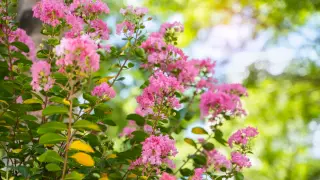
Homes and Gardens advises that August is a critical period for crape myrtles in USDA Hardiness Zones 6-9, requiring deep watering during dry spells and vigilant pest monitoring. The publication emphasizes that established plants should not be pruned in late summer to avoid stressing tender new growth during peak heat. Instead, gardeners should focus on maintaining soil moisture and removing spent flowers to encourage additional blooms, while saving structural pruning for late winter dormancy.

With warmer weather, lawns need regular mowing, but experts warn that both over-mowing and under-mowing can damage grass. Removing too much blade at once stresses the plant, slowing growth and weakening roots, while mowing too short leads to browning, thinning, and vulnerability to weeds, disease, and drought. Similarly, letting the grass get too tall before cutting can shock it, create heavy clippings that block sunlight and air, and leave patches. The safer approach is balanced mowing—keeping a moderate blade height and mowing frequency to support energy production, healthy roots, and a dense, resilient lawn.
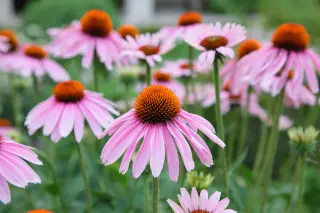
Gardening expert Dave Epstein answers readers’ questions on tackling critters and selecting spring plants, noting mid-April is prime for planting perennials, trees and shrubs while avoiding warm-season crops. He highlights rabbit-resistant options like echinacea, goldenrod and New England asters, and suggests measures such as fencing around vegetable beds to deter critters, plus tips that support pollinators during the season.
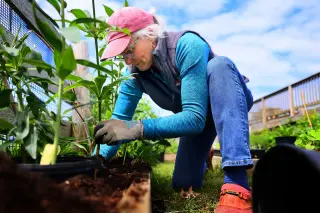
Gardening may benefit brain health in older adults by combining physical exercise, mental engagement, and stress reduction; while not a guaranteed dementia preventer, it aligns with other risk-reduction strategies such as managing cardiometabolic health, lifelong learning, social connection, about 150 minutes of moderate activity weekly, a brain-healthy diet (Mediterranean or DASH), and addressing hearing loss.
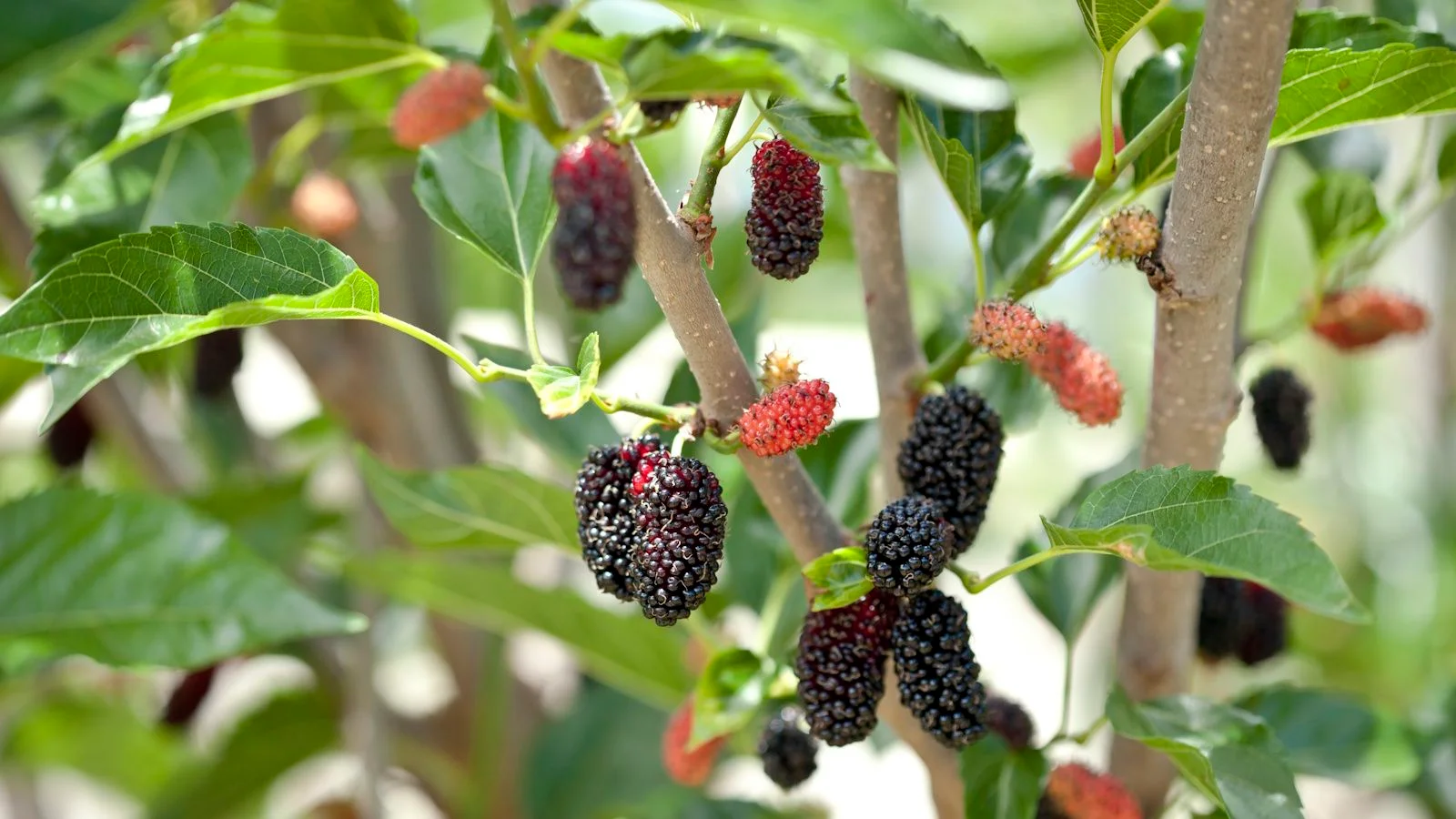
Mulberries can be grown in pots in even the smallest spaces by choosing a large container (12–20 inches wide), placing it in a sunny spot (at least six hours of direct sun), and ensuring excellent drainage with grit or perlite. Fill with an all-purpose potting mix enriched with organic matter, and feed regularly—about every three weeks in spring and summer with a fertilizer suitable for fruit trees or a slow-release option—then pause in late summer. Water deeply, especially in hot spells, and provide winter protection for potted trees. For container culture, pick dwarf varieties such as Morus alba x rubra 'Gerardi Dwarf', Matsunaga, and Mojo Berry; other compact options include Morus nigra 'Black Beauty' and Morus alba 'Pendula'. Note that fruiting may take five or more years, but the setup adds edible harvest and architectural interest to balconies and tiny yards.
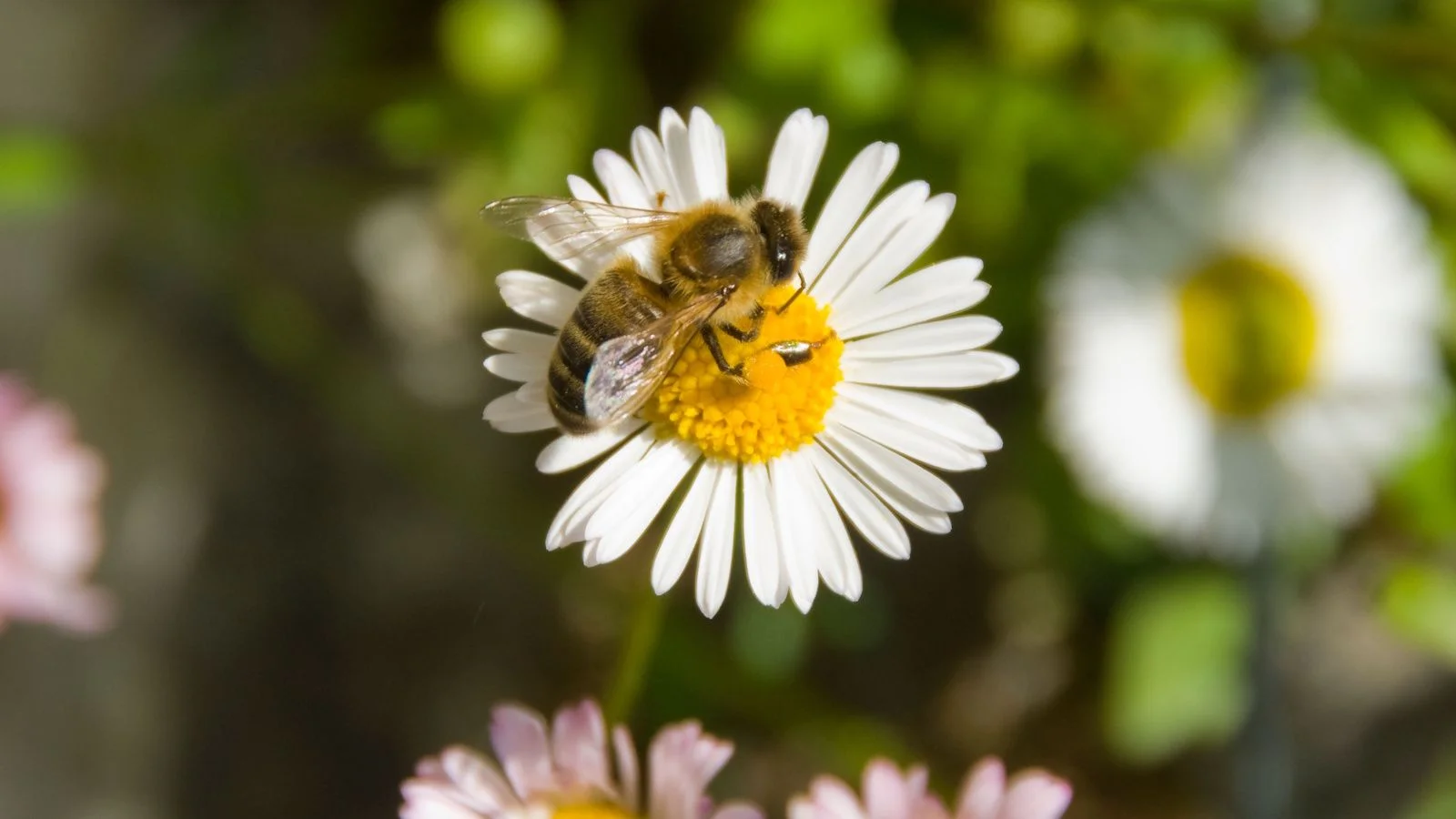
A Homes & Gardens guide lists one birth-month bee for each month, with identification tips and practical ways to support them year-round—plant nectar-rich flowers, provide nesting sites like bee hotels or bare ground, and maintain wildlife-friendly habitat—plus product picks to boost pollinator gardens.

Experts say outdoor lighting disrupts nocturnal wildlife and pollination, so dimming or using motion-activated, warmer lights can protect insects, birds, bats and plants. Embracing evening gardening with moon gardens or night-blooming plants keeps the outdoors usable after sunset, boosting biodiversity and garden health.
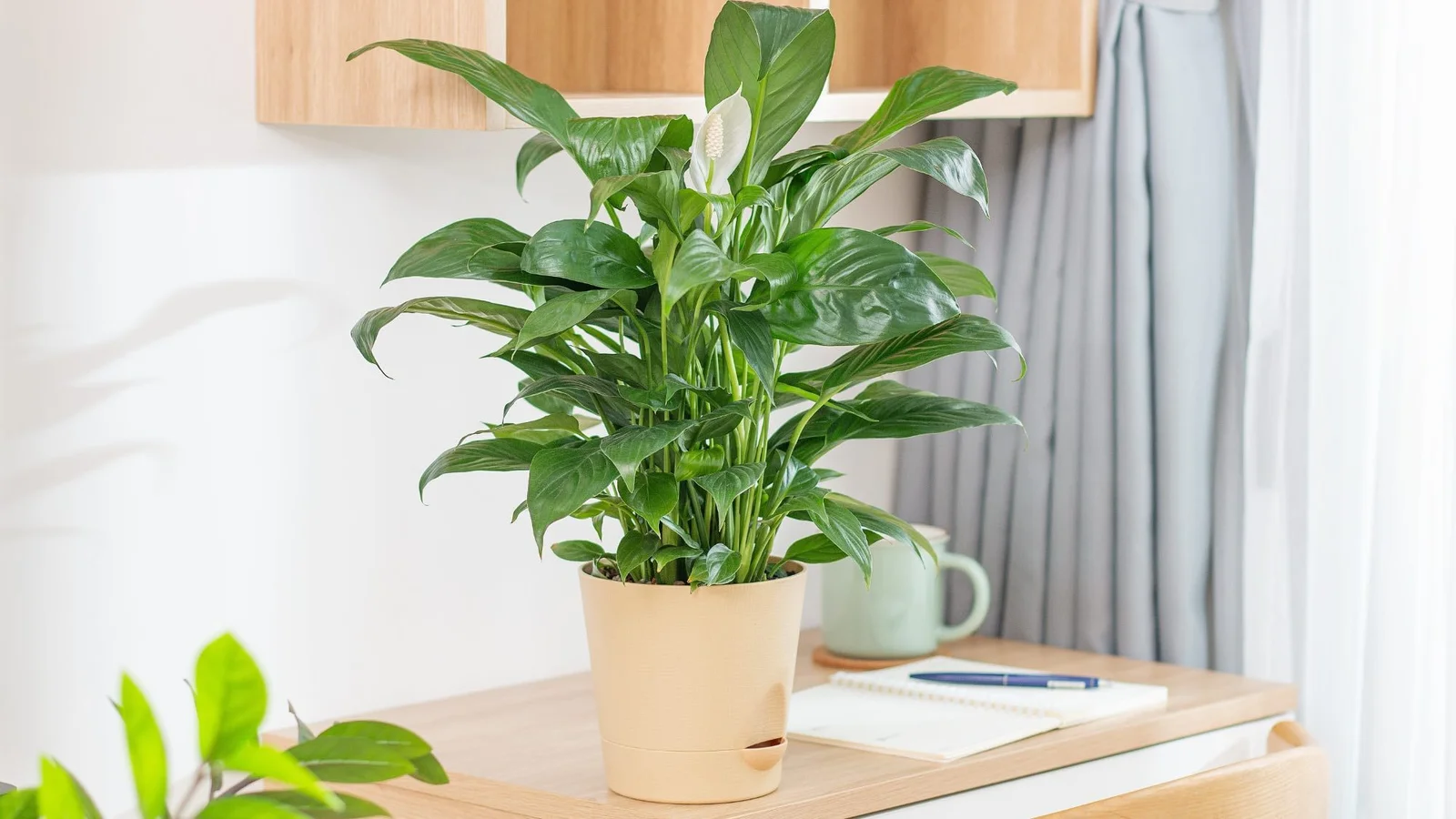
To help a peace lily thrive and bloom, place it in a humid, indirect-light spot (such as a bathroom or kitchen) rather than a sunny windowsill. It prefers north or east-facing light away from radiators and drafts, and you should water to keep the soil moist but not soggy (don't overwater). Regular misting or a small humidifier can boost humidity. Also note that peace lilies are toxic to pets, so keep the plant out of reach of cats and dogs.
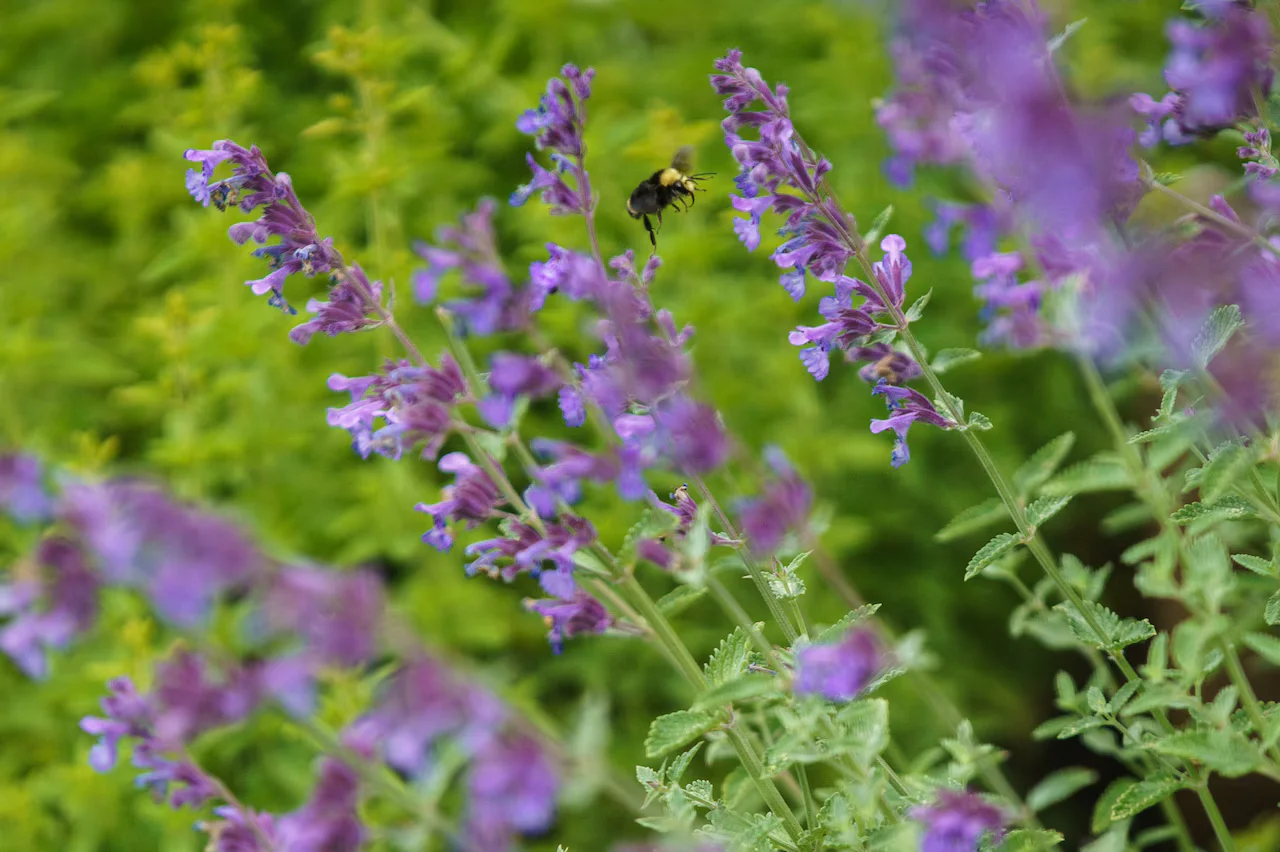
A Black- and women-owned plant nursery in Southeast Portland, Birds & Bees Nursery, is closing after 14 years due to financial difficulties exacerbated by recent challenging years, with owners seeking community support to sell remaining inventory and settle debts.

The Farmers' Almanac, a 208-year-old publication known for long-range weather predictions and gardening tips, will cease publication after its 2026 edition due to financial challenges, marking the end of an era for its readers.
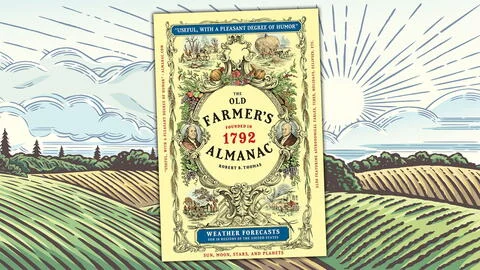
The Old Farmer’s Almanac, a historic publication since 1792, will continue its annual print edition and expand its digital offerings in 2026, maintaining its reputation for reliable weather forecasts and seasonal wisdom, despite rumors of ceasing publication.