
Sarah Raven’s Two-Tier Bulb Strategy Maximizes Cut Flower Yields
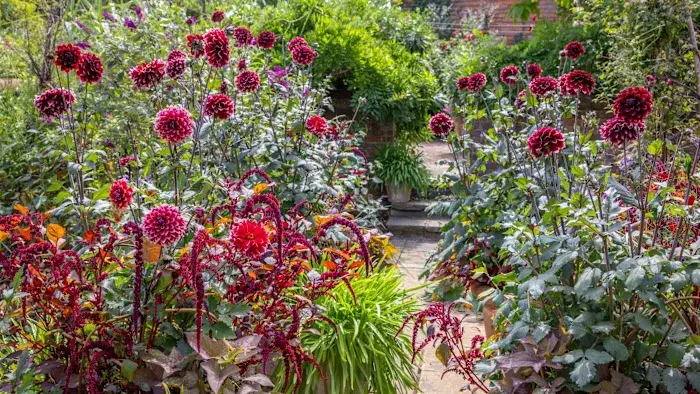
Sarah Raven details a two-tier planting method that layers narcissus and dahlias in the same border to extend the cut flower season from January to frost. The system uses deep grit beds for spring bulbs, overlaid with dahlia tubers in autumn, requiring careful foliage management to prevent slug damage and ensure continuous blooms.
Key points
- Raven recommends planting narcissus varieties like 'Avalanche' and 'Cragford' in 8-inch deep grit beds, followed by overplanting with dahlias such as 'Sissinghurst' and 'Tom’s Choice' in autumn.
- The method provides a continuous supply of cut flowers from January through the first hard frost, with a brief pause between spring and summer blooms.
- To protect emerging dahlia shoots from slugs, gardeners must cut back narcissus foliage in rings around the dahlia locations and expose slug eggs to birds.
- Recent wet winters have led Raven to experiment with planting narcissus in autumn and waiting until spring to add dahlias, adjusting the timeline based on local climate conditions.
- Covering the bulb area with spiny rose, holly, or bramble stems is advised to deter grey squirrels from digging up the bulbs.
Background
This technique builds on Raven’s 20-year experiment with double-layer bulb beds, offering a solution for maximizing yield in small spaces. It complements broader gardening trends focused on sustainable and efficient planting methods, such as the recent efforts by London’s Barbican to distribute plant cuttings ahead of its conservatory overhaul, highlighting a growing interest in accessible and resilient gardening practices.
Why it matters
This two-tier planting method offers a practical, space-efficient solution for gardeners seeking a prolonged and diverse cut flower harvest. By optimizing the use of a single border through strategic layering and careful maintenance, it addresses common challenges like pest control and seasonal gaps, making it a valuable technique for both hobbyists and professional growers.
What to watch
Gardeners are encouraged to adopt this method, adjusting planting timelines based on local climate conditions, particularly regarding winter wetness. Continued experimentation with the timing of dahlia overplanting may further refine the technique for various regions, ensuring optimal bloom success and pest management.
Want the full story? Read the original reporting
Read on Financial Times