
Firefighters Report Relief from Glutathione, but Unions Warn of Risks
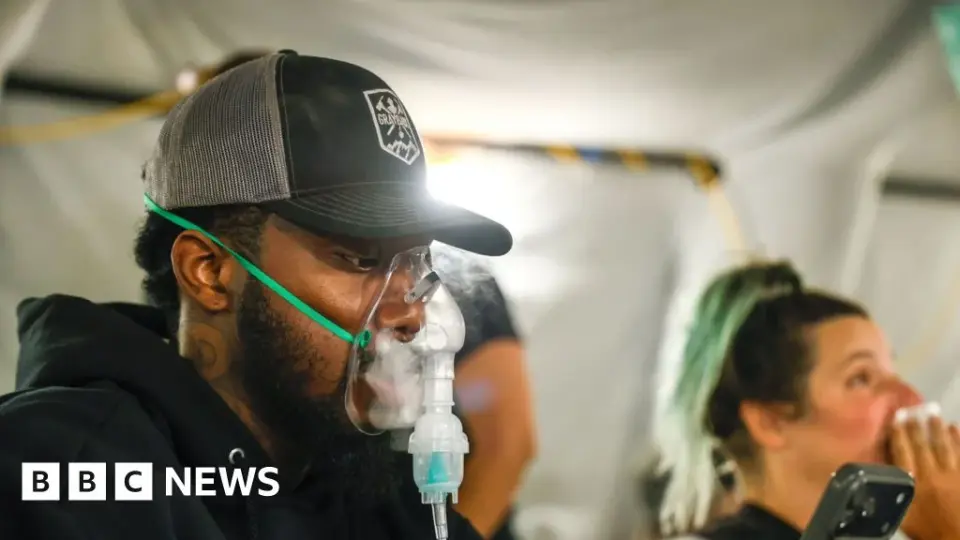
Firefighters report that inhaling glutathione alleviates symptoms like fatigue and cough after wildfire smoke exposure, but the International Association of Fire Fighters warns the treatment lacks clinical proof and poses safety risks due to contamination and unknown long-term effects.
Key points
- Pasadena Fire Captain David Marquez, a 25-year veteran, testified that inhaling glutathione immediately improved his symptoms after the Eaton Fire, which killed 19 people and destroyed 9,000 buildings.
- The International Association of Fire Fighters (IAFF) issued a warning in August 2026, citing two recent recalls of contaminated glutathione supplies and a lack of large-scale research on safety or efficacy.
- IAFF assistant Sean DeCrane noted that some members reported feeling worse after treatment, with clinicians attributing adverse reactions to 'metals leaving the body,' a claim the union disputes as unverified.
- The Integrated Health Action Network (IHAN), a group of naturopaths, provides glutathione at major wildfires, claiming it reduces headaches and brain fog, but admits their data is anecdotal and not peer-reviewed.
- California’s Board of Pharmacy abandoned proposed restrictions on glutathione production after firefighters lobbied in Sacramento, despite concerns from experts like Dr. Coralynn Sack that the treatment lacks biological proof and distracts from proven protective equipment.
Background
Previous coverage in August 2026 highlighted regulatory debates and safety recalls surrounding glutathione, noting that while some firefighters support its use, health officials and unions emphasize the absence of clinical trials and the potential for contamination. This ongoing tension between anecdotal relief and scientific caution defines the current landscape of wildfire smoke treatment.
Why it matters
The debate over glutathione highlights a critical gap in occupational health protections for firefighters, who face a 14% higher cancer risk than the general population. Without rigorous clinical trials, the reliance on unproven treatments may delay the adoption of evidence-based preventive measures, potentially endangering first responders during increasingly frequent and destructive wildfires.
What to watch
The Integrated Health Action Network plans to use its collected anecdotal data to advocate for future clinical trials, while the IAFF continues to push for peer-reviewed research and stricter oversight of compounding pharmacies. Regulatory decisions on glutathione access may evolve as more data emerges, but for now, the lack of standardized clinical evidence remains a barrier to widespread adoption.
Want the full story? Read the original reporting
Read on BBC