
Arizona State professor merges coral microbiome research with professional surfing career
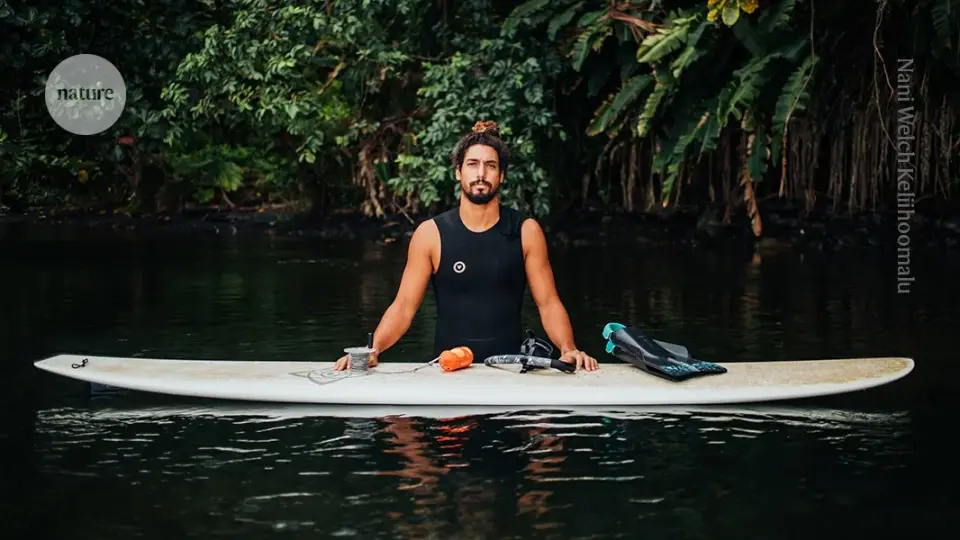
An assistant professor at Arizona State University in Hilo, Hawaii, balances a 90% academic workload with professional surfing. The researcher studies coral microbiomes and surf break formations, using ocean time to sustain mental health and scientific creativity. This dual career highlights how intersecting disciplines can enhance both scientific inquiry and personal well-being.
Key points
- The subject is an assistant professor at the School of Ocean Futures at Arizona State University, based in Hilo, Hawaii.
- They spend approximately 85% of their work year on research and teaching, and 15% on non-competitive professional surfing assignments.
- Research focuses on coral microbiomes, sampling microorganisms before and after environmental stress to assess reef health.
- The role involves analyzing systems with environmental, social, and cultural components to protect surf ecosystems.
- The individual began their PhD in chemistry at the University of California, San Diego in 2012.
- They received a US National Science Foundation postdoctoral fellowship in 2018 for broadening participation in biology.
Background
This profile illustrates a broader trend in academia where researchers integrate personal passions with professional duties to maintain mental health and innovation. It contrasts with traditional single-discipline career paths, showing how time spent in the ocean can serve as a grounding mechanism that sustains scientific productivity. The narrative also touches on the historical underrepresentation of Native Hawaiians and Pacific Islanders in STEM fields, noting that targeted fellowships helped facilitate the subject's entry into university.
Why it matters
This case study demonstrates that balancing diverse interests, such as professional surfing and scientific research, can lead to more creative and meaningful academic work. It challenges the notion that passions are distractions from academic success, suggesting instead that they can be integral to sustaining a career in demanding fields like oceanography and microbiology.
What to watch
The subject continues to collaborate with researchers, surfers, and conservationists who share values regarding ocean protection. Future work will likely involve further developing frameworks for analyzing surf ecosystems and communicating coral science through surfing platforms.
Want the full story? Read the original reporting
Read on Nature