
Ancient Scythian Hair and Seeds Reveal Earliest Evidence of Cannabis Use
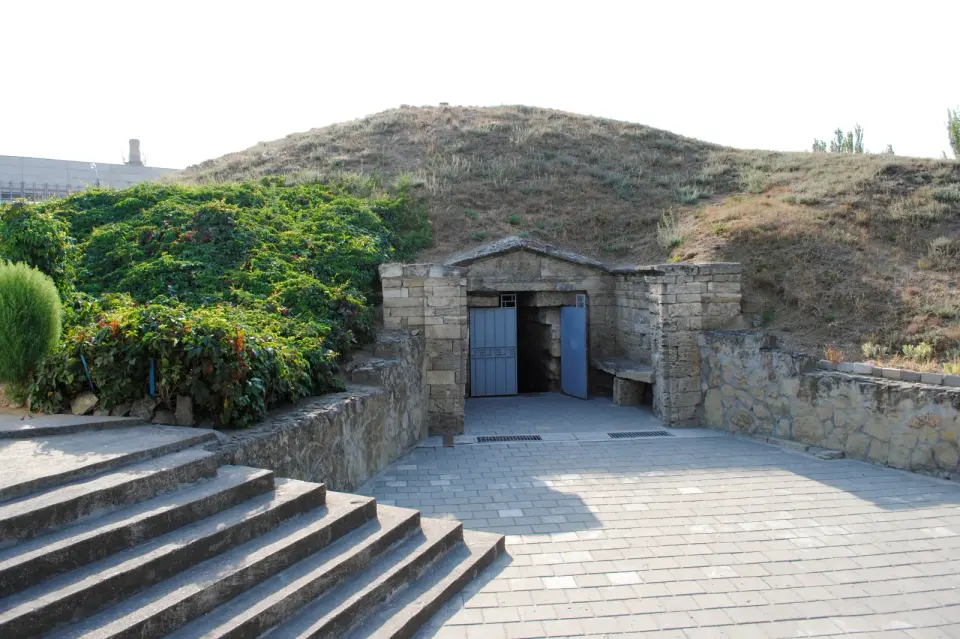
A new study in Science confirms the Scythians used cannabis for psychoactive effects around 2,800 years ago, predating previous records by 300 years. Evidence from the Tunnug 1 site in southern Siberia includes nearly 1,000 seeds and THC byproducts found in preserved hair. While some experts question the hair analysis, the findings suggest cannabis played a role in ritualistic practices, possibly involving human sacrifice, as described by the Greek historian Herodotus.
Key points
- The study, led by Gino Caspari of the University of Bern, identifies the Tunnug 1 site in the Uyuk Valley of southern Siberia as the earliest definitive evidence of human cannabis consumption.
- Archaeologists excavated the site in 2017, finding nearly 1,000 whole cannabis seeds and human hair with traces of cannabinol (CBN), a byproduct of THC, dating to approximately 800 B.C.
- This discovery pushes back the timeline for psychoactive cannabis use by 300 years, surpassing previous evidence from the Jirzankal Cemetery in western China.
- Herodotus described Scythian funerary rituals involving hemp smoke, which the new findings suggest may have been used to facilitate human sacrifices during royal burials.
- The Scythians were nomadic warriors who roamed the Eurasian steppes, and their use of cannabis may have been part of a broader cultural and ritualistic practice.
Background
Cannabis has been cultivated for thousands of years, with Chinese farmers using it for rope, clothing, and paper as early as 4,000 years ago. However, the use of cannabis for psychoactive effects was previously traced back only 2,500 years. The Scythians, known for their 'animal style' art and nomadic lifestyle, were a significant cultural force in the ancient world, and their use of cannabis adds a new dimension to our understanding of their rituals and practices.
How outlets are covering it
The primary source, Defector, emphasizes the cultural and ritualistic aspects of Scythian cannabis use, highlighting the potential role of cannabis in funerary practices and human sacrifice. The secondary source, Archaeology Magazine, focuses on the scientific evidence, including the analysis of hair and seeds, and the implications for the timeline of cannabis use. Some experts, such as forensic toxicologist Volker Auwärter, have expressed skepticism about the hair analysis, calling it 'scientifically weak.' However, many scientists, including William Taylor of the University of Colorado Boulder, support the findings, viewing them as a significant snapshot of the interconnected world of the ancient steppe.
Why it matters
This discovery provides the earliest definitive evidence of humans using cannabis for psychoactive effects, pushing back the timeline by 300 years. It also sheds light on the cultural and ritualistic practices of the Scythians, a nomadic warrior culture that roamed the Eurasian steppes. The findings suggest that cannabis may have played a role in funerary rituals, possibly involving human sacrifice, as described by the Greek historian Herodotus. This adds a new dimension to our understanding of ancient cultures and their use of psychoactive substances.
What to watch
Further research may be needed to confirm the findings and understand the full extent of Scythian cannabis use. The discovery of the Tunnug 1 site and the analysis of the hair and seeds provide a strong foundation for future studies, but more evidence may be needed to fully understand the cultural and ritualistic significance of cannabis in ancient Scythian society.
- Would You Get Stoned With The Scythians? Defector
- News - Cannabis Identified in Siberian Scythian Tomb Archaeology Magazine
Want the full story? Read the original reporting
Read on Defector