
Johns Hopkins Researchers Identify WIF1+ Basal Cells as Potential Driver of Age-Related Prostate Enlargement
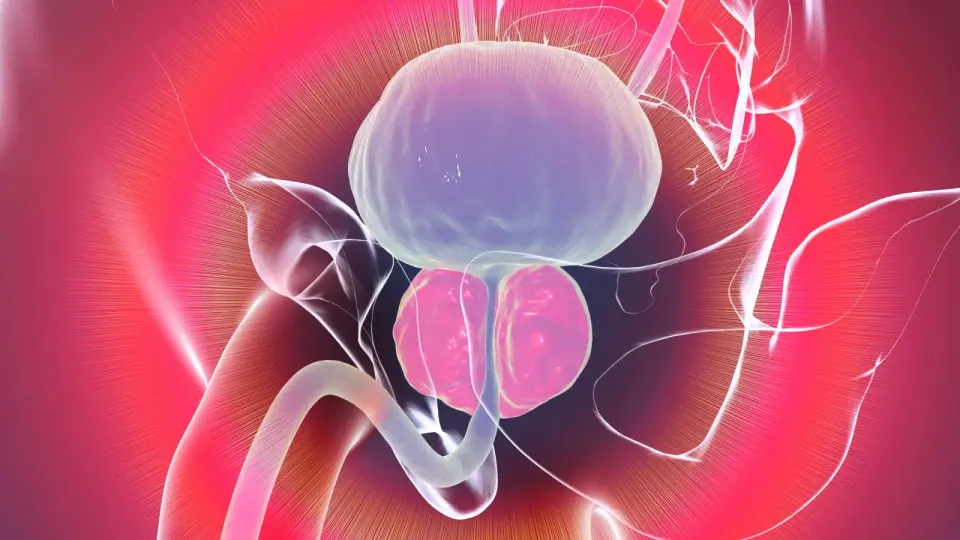
Researchers at Johns Hopkins University have identified a specific subtype of prostate cell, known as WIF1+ basal cells, that may explain why the prostate gland enlarges with age. Using single-cell RNA sequencing on tissue samples from ten men, the team found these cells are concentrated in the transition zone, the area surrounding the urethra most affected by benign prostatic hyperplasia (BPH). The study suggests these cells promote tissue remodeling and cellular growth, potentially offering new targets for future treatments. While the findings provide a cellular-level explanation for a common condition affecting millions of men over 50, the researchers emphasize that this remains a hypothesis requiring further functional investigation.
Key points
- Johns Hopkins University researchers published findings in The Journal of Pathology identifying WIF1+ basal cells as a distinct population enriched in the prostate's transition zone.
- The study utilized single-cell RNA sequencing to analyze nearly 130,000 individual cells from noncancerous tissue samples of ten men with prostate cancer.
- WIF1+ basal cells were found to be rare in other prostate zones but abundant in the transition zone, particularly in cases of benign prostatic hyperplasia (BPH).
- These cells exhibit a unique gene expression profile linked to androgen response and signaling pathways that influence prostate growth and development.
- The research suggests these cells may contribute to BPH by promoting epithelial and stromal remodeling, while also potentially explaining why prostate cancer is less common in this specific zone.
- Urologist Charles Welliver noted that BPH involves an increase in cell number rather than cell size, a mechanism the new findings aim to clarify at the cellular level.
Background
This discovery adds to ongoing efforts to understand prostate health issues affecting aging men. Recent discussions in medical circles have highlighted the importance of active surveillance for early-stage prostate cancer, noting that over 333,000 new cases are expected in the United States in 2026. Additionally, public awareness regarding prostate risks remains uneven, with surveys indicating that many men are unaware of dietary factors, such as dairy consumption, that may influence cancer risk. While those issues focus on cancer prevention and diagnosis, the current research addresses benign prostatic hyperplasia, a non-cancerous enlargement that causes urinary symptoms in millions of men over the age of 50.
Why it matters
Benign prostatic hyperplasia is the most common prostate problem in men over 50, causing urinary difficulties as the gland constricts the urethra. Despite its prevalence, the specific cellular mechanisms driving enlargement in the transition zone have remained unclear. Identifying WIF1+ basal cells as a potential culprit provides a concrete biological explanation for this age-related change. If confirmed, these cells could serve as specific targets for new drugs or therapies, potentially offering more precise treatments for BPH that avoid the side effects associated with current broad-spectrum interventions.
What to watch
The current findings are based on observational data and gene expression analysis, meaning the functional role of WIF1+ basal cells in causing prostate enlargement is still a hypothesis. Future studies will need to experimentally determine how these cells actively drive tissue remodeling and cellular proliferation. Researchers plan to investigate whether these cells can be targeted to prevent or reverse the enlargement associated with BPH, potentially leading to new therapeutic strategies for managing urinary symptoms in aging men.
Want the full story? Read the original reporting
Read on ScienceAlert