
Distinguishing Wasps, Hornets, and Yellow Jackets for Safer Home Defense
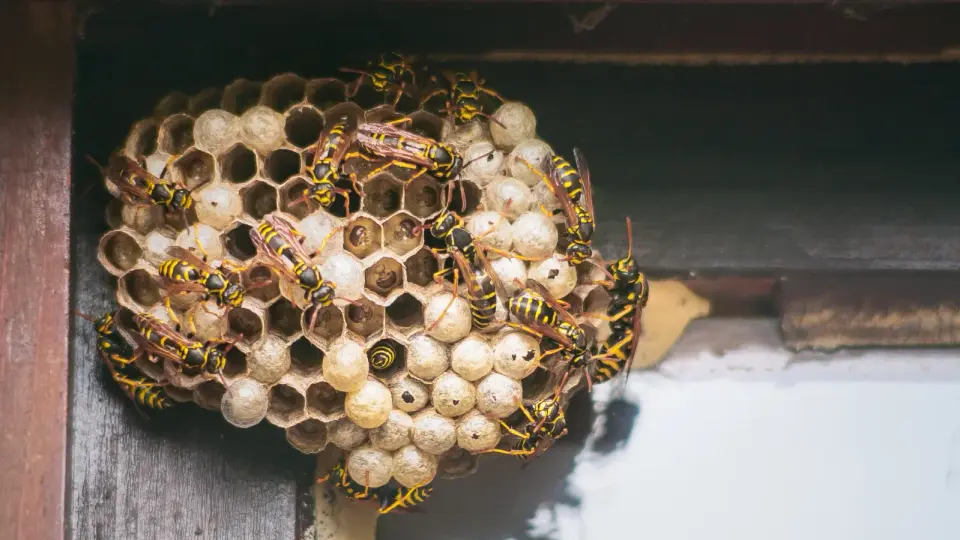
Paper wasps, hornets, and yellow jackets are all members of the Vespidae family but differ significantly in size, nesting habits, and aggression. While paper wasps are slender and docile, hornets are large and defensive near aerial nests, and yellow jackets are compact, aggressive scavengers that often nest underground. Correct identification is crucial for safety, as yellow jackets pose the highest risk of accidental stings due to their ground-level nests and scavenging behavior.
Key points
- All three insects belong to the family Vespidae, but they have distinct physical traits: paper wasps have narrow waists and dangling legs, hornets are large with robust bodies, and yellow jackets are compact with bold black-and-yellow stripes.
- Nesting locations vary: paper wasps build exposed umbrella-shaped combs under eaves; hornets create large, enclosed football-shaped nests high in trees or soffits; yellow jackets typically build concealed nests underground or in wall voids.
- Yellow jackets are the most aggressive, often attacking if their ground nests are disturbed or if they are scavenging for food, whereas paper wasps and hornets are generally less aggressive unless their nests are threatened.
- The 'bald-faced hornet' is actually a type of yellow jacket (Dolichovespula maculata), a common misconception due to its size and appearance.
- Safety measures include maintaining distance, avoiding swatting, and sealing trash bins. Professional removal is recommended for nests in walls, attics, or near entryways, especially if household members have allergies.
Background
This guide complements earlier coverage on insect sting pain levels and the invasive threat posed by Asian yellow-legged hornets to honeybee colonies in South Carolina. While the invasive hornet issue focuses on agricultural impact, this article addresses residential safety and identification of common stinging insects in North America.
Why it matters
Misidentifying these insects can lead to dangerous encounters, particularly with yellow jackets whose underground nests are easily disturbed by foot traffic. Understanding their behaviors and nesting habits helps homeowners prevent accidental stings, which can be life-threatening for individuals with severe allergies, and ensures appropriate responses to pest issues.
What to watch
Homeowners are advised to inspect their properties for nests, seal cracks in foundations and soffits, and cover outdoor food sources. For high-risk nests or allergic individuals, contacting a professional pest control service is recommended. Preventative measures like installing insect screens on vents and cleaning up fallen fruit can reduce future infestations.
Want the full story? Read the original reporting
Read on USA Today