
Aluminum Foil’s Shiny and Matte Sides Are Manufacturing Artifacts, Not Functional Features
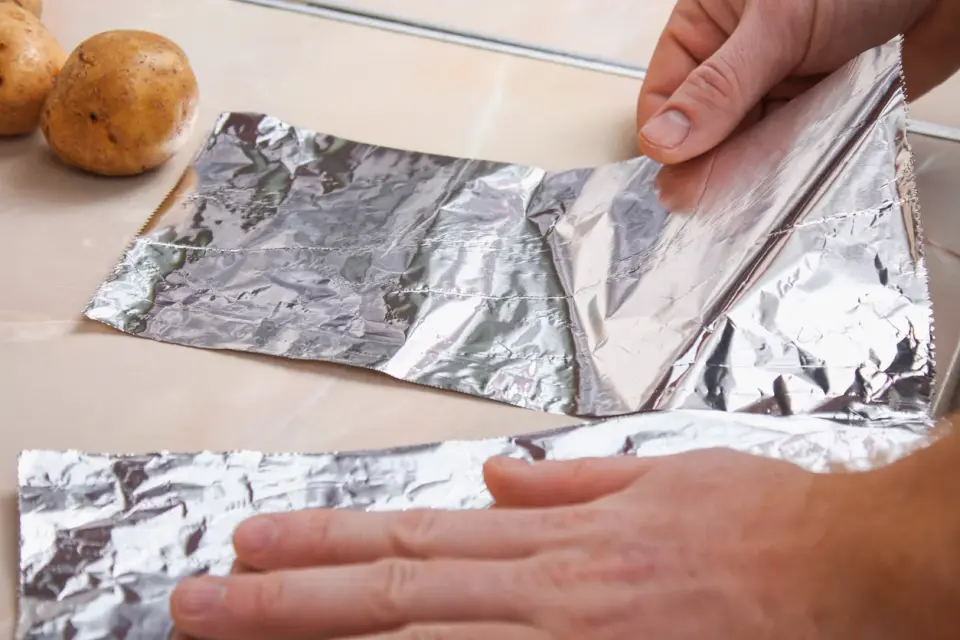
The shiny and matte sides of standard aluminum foil are identical in performance, resulting from a manufacturing process where two sheets are pressed together. Only non-stick foil requires the matte side to face the food.
Key points
- The two sides of foil originate from the final manufacturing stage, where two sheets are pressed together to achieve extreme thinness.
- The side touching the polished rollers becomes shiny, while the side pressing against the other sheet remains matte.
- Reynolds Wrap states that for standard and heavy-duty foil, either side performs identically for cooking.
- The belief that the shiny side reflects heat better or the matte side cooks faster is scientifically incorrect.
- Non-stick foil is the only exception, requiring the matte side to face the food to ensure the coating contacts the food rather than the pan.
Background
This topic has circulated in home and lifestyle media, with Spanish daily MARCA recently publishing an explainer that was subsequently picked up by French and Romanian home sites. The discussion often references earlier advice from outlets like Apartment Therapy and EatingWell, which have consistently debunked the myth that the sides have different thermal properties.
Why it matters
Understanding this distinction prevents unnecessary confusion in kitchen practices and ensures correct usage of specialized non-stick products, while also highlighting that general foil usage is flexible.
What to watch
Consumers should continue to check packaging labels for 'non-stick' indicators to determine if side orientation matters, otherwise they can use either side freely for standard cooking tasks.
Want the full story? Read the original reporting
Read on TheCoolist