
NASA declines to confirm scheduled Russian ISS cargo launch, citing Roscosmos secrecy
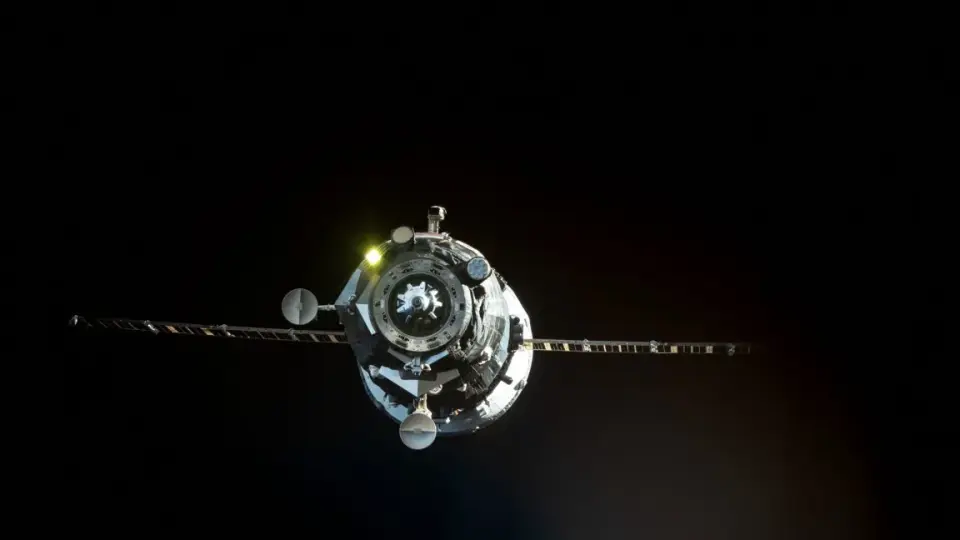
NASA refused to confirm the date or time of the upcoming Progress MS-36 cargo launch to the International Space Station, directing media to Roscosmos. This marks a shift from previous transparency, as NASA previously televised Russian launches. The secrecy likely stems from Russian concerns over drone attacks on spaceports and the decommissioning of the PrK module, which alters docking procedures. The next test of this policy will be the crewed Soyuz MS-30 launch in March 2027.
Key points
- NASA official Gaurang Patel declined to confirm the Progress MS-36 launch scheduled for 10:13 UTC on Tuesday, stating media should contact Roscosmos directly.
- This is a departure from past practice, as NASA typically provided live television coverage and media advisories for Russian cargo launches from Baikonur.
- Roscosmos has not advertised the launch on its Telegram channel, and Russian space reporter Anatoly Zak notes a dramatic curtailment of coverage for recent launch campaigns.
- The Progress MS-36 mission carries a human-like robot called Teledroid, designed to assist spacewalkers in vacuum and radiation environments.
- The launch is the first since NASA and Roscosmos agreed to decommission the leaky PrK module, requiring the Progress to dock at the Poisk module before moving to the PrK port for station propulsion.
- Analysts suggest the secrecy is likely due to Russia's ongoing war with Ukraine and concerns about drone attacks on spaceports, a policy previously applied to Plesetsk but now extended to other sites.
Background
Recent archive coverage highlights broader geopolitical tensions involving Russia, including secret military deals with Iran and covert French military operations in Ukraine. Additionally, recent analog missions have simulated ISS conditions, underscoring the importance of reliable supply chains for long-duration spaceflight. The current secrecy around the Progress launch contrasts with previous transparency in NASA-Roscosmos cooperation, reflecting the impact of the Russia-Ukraine war on space operations.
Why it matters
The secrecy surrounding a routine cargo launch signals a significant shift in NASA-Roscosmos cooperation, potentially affecting future crewed missions and the reliability of ISS supply chains. It highlights the intersection of geopolitical conflicts with space operations, where security concerns override transparency. The outcome of this policy will be tested by the upcoming crewed Soyuz MS-30 launch, which could strain the US-Russia space partnership if secrecy persists for missions involving NASA astronauts.
What to watch
The Progress MS-36 is scheduled to launch at 10:13 UTC on Tuesday. The next major test of this secrecy policy will be the Soyuz MS-30 crewed launch in March 2027, which will determine if Russia extends this opacity to missions involving NASA astronauts. Observers will monitor whether Roscosmos provides any public updates or if independent sources must rely on local government notices for launch details.
Want the full story? Read the original reporting
Read on Ars Technica