
Jezeble Purges Over 100 Articles With Racy Headlines, Sparking Backlash
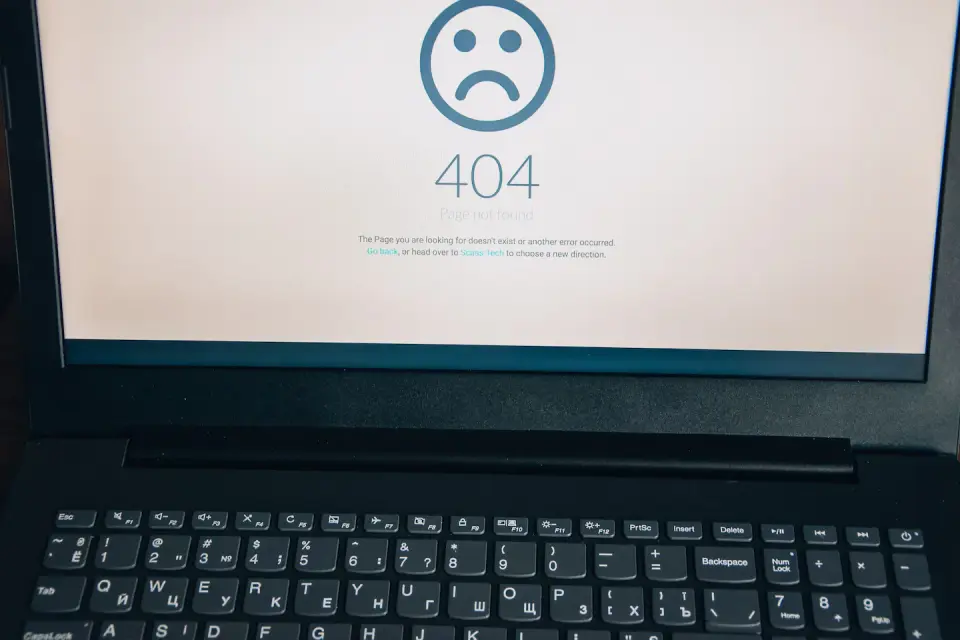
Jezebel, a prominent feminist media outlet, has deleted more than 100 articles from its website, replacing them with 404 error messages. The removed content primarily featured sexually explicit or vulgar language in headlines. This action has angered former staff members who view the purge as an erasure of the site's historical identity and edgy cultural legacy.
Key points
- Jezebel, which launched in 2007, has removed over 100 articles from its digital archive.
- The deleted articles were characterized by racy, sexually explicit, or vulgar wording in their headlines.
- A review by The Washington Post confirmed that these pages now display 404 error messages, indicating the content is no longer accessible.
- The removal includes articles that are several years old, suggesting a broad cleanup of historical content rather than a recent policy shift.
- Former employees of the site have expressed outrage, criticizing the decision as an inappropriate erasure of the publication's distinctive voice.
Background
This development occurs in a broader media landscape where digital archives are increasingly subject to retrospective curation. While our recent coverage has focused on institutional closures and legal disputes involving former staff, such as the Academy of Natural Sciences and Oakland’s municipal trials, the Jezebel case highlights a different form of institutional change: the voluntary or forced removal of historical content. Unlike the financial or legal crises affecting other institutions, this move appears to be a strategic or editorial decision regarding tone and brand image, though it has triggered a backlash from those who value the site’s original transgressive style.
Why it matters
The removal of historical content from a major feminist platform raises questions about digital permanence and editorial consistency. For a site that built its reputation on challenging norms, the deletion of its most provocative headlines may signal a shift in corporate or editorial strategy. It also highlights the tension between maintaining a brand’s historical authenticity and adapting to modern standards of professionalism or advertiser sensitivity. The reaction from former staff suggests that such purges can alienate the very community that supported the outlet’s growth.
What to watch
It remains unclear whether Jezebel will issue a formal statement explaining the rationale behind the mass deletion. Observers may watch for whether the site attempts to restore the content through alternative archives or if the removal is permanent. Additionally, the reaction from the current editorial team and the broader feminist media community will indicate whether this is an isolated incident or part of a larger trend in how legacy digital publications manage their back catalogs.
Want the full story? Read the original reporting
Read on The Washington Post