
Talero’s 23-Day Vigil: How a Dog’s Loyalty Preserved a Body in Patagonia
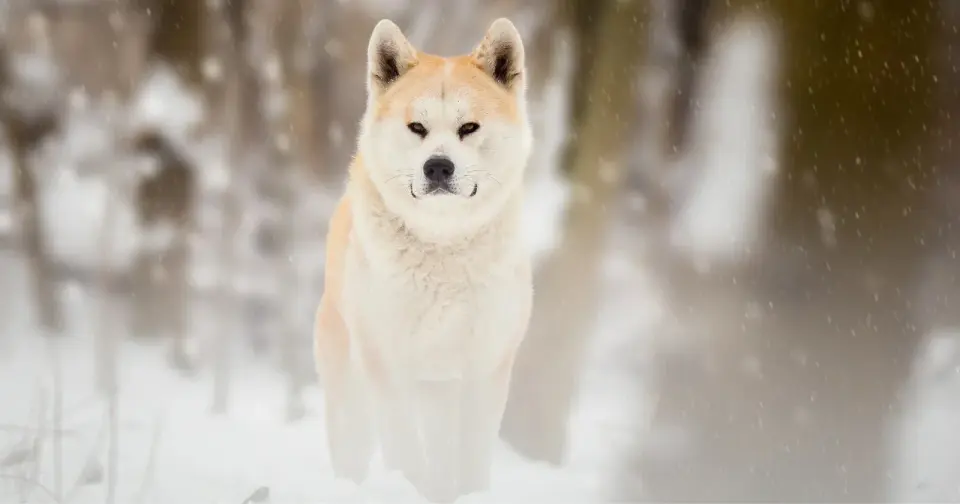
In 2013, Bernardo Quirós died of hypothermia in the Chubut steppe after his car broke down during a snowstorm. His dog, Talero, remained at the site for 23 days, protecting the body from scavengers and hunting for food. Despite multiple search efforts, Talero’s presence and eventual alerting of rescuers led to the discovery of Quirós’s remains, which were intact due to the dog’s vigil.
Key points
- Bernardo Quirós, a 27-year-old ranch hand, died of hypothermia on July 16, 2013, after his vehicle failed in a snowstorm in Chubut, Argentina.
- Talero, a mongrel ovejero, stayed with Quirós’s body for 23 days, driving away foxes, armadillos, and carrion birds to prevent scavenging.
- The dog survived by hunting small animals and digging pits for shelter, maintaining the body’s integrity until rescuers arrived.
- Search teams, including police and family members, missed the site multiple times before Talero’s barking alerted a relative to the location.
- Talero was later reunited with Quirós’s wife, Alejandra, and their children, highlighting the dog’s role in the recovery process.
Background
This incident echoes broader themes of animal loyalty and survival instincts seen in other extreme scenarios, such as the 2026 California wildfire where a dog breeder refused evacuation to save her animals, or the 2026 Mexican fishermen who survived five days adrift. While those cases involved human decisions to prioritize animals, Talero’s actions were driven by instinct and training, illustrating the deep bond between humans and working dogs in rural settings.
Why it matters
The story underscores the critical role of animal instincts in search and rescue operations, particularly in remote areas where human efforts may fail. It also highlights the ethical and emotional complexities of human-animal relationships, as seen in the debate over whether dogs understand death or simply follow ingrained behaviors. Talero’s actions not only preserved evidence but also provided a tangible connection for the grieving family, demonstrating the profound impact of animal loyalty on human lives.
What to watch
There are no immediate follow-up developments, as the incident occurred in 2013. However, the story continues to be referenced in discussions about animal behavior, grief, and the limits of human understanding of animal cognition. Researchers may continue to study similar cases to better understand the cognitive and emotional capacities of dogs in extreme situations.
Want the full story? Read the original reporting
Read on Space Daily