
The Surprising Dietary Preferences of Canada's Ancient Shrimp
TL;DR
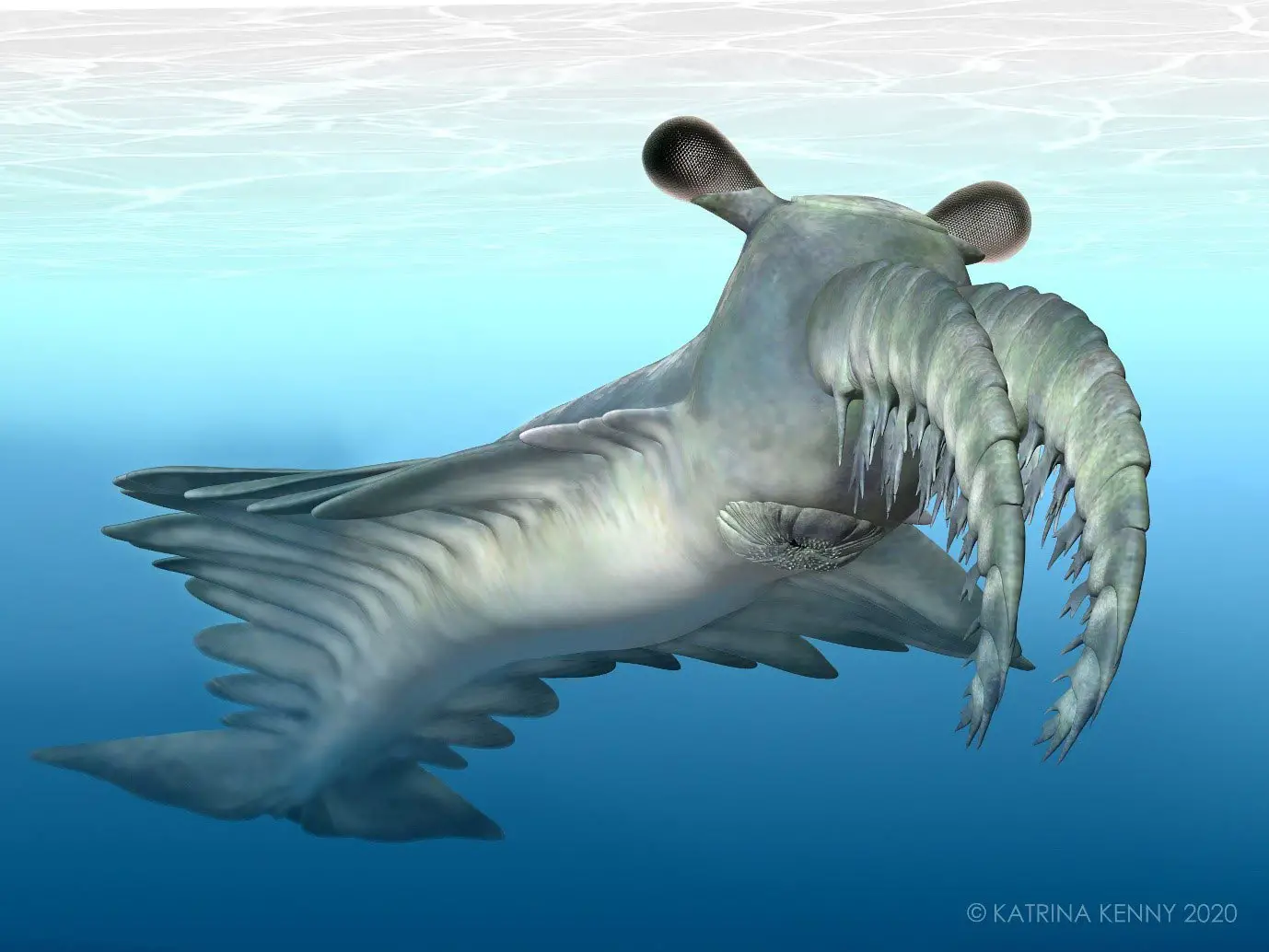
New biomechanical research challenges the notion that Anomalocaris canadensis was an apex predator during the Cambrian era. Using 3D reconstructions and biomechanical modeling, scientists found that its front appendages were not suited for catching hard prey like trilobites, suggesting it primarily fed on softer prey. This study highlights the complexity of Cambrian food webs and challenges previous assumptions about ancient marine ecosystems.
Topics:sciencepaleontology#anomalocaris-canadensis#biomechanical-study#cambrian-era#food-webs#marine-predator#paleontology
- The “Weird Shrimp From Canada” Likely Much Weaker Than Once Assumed SciTechDaily
- Apex predator of the Cambrian likely sought soft over crunchy prey Phys.org
- Earth's first super predator preferred soft food to crunchy Cosmos
- Ancient ‘weird shrimp from Canada’ used bizarre appendages to scarf up soft prey Popular Science
- This Hot Mess Of A Cambrian Predator Preferred Smooth Over Crunchy Prey IFLScience
- View Full Coverage on Google News
Want the full story? Read the original reporting
Read on SciTechDaily