
Montana Fossils Reveal Troodon Growth Patterns and Challenge Its Name
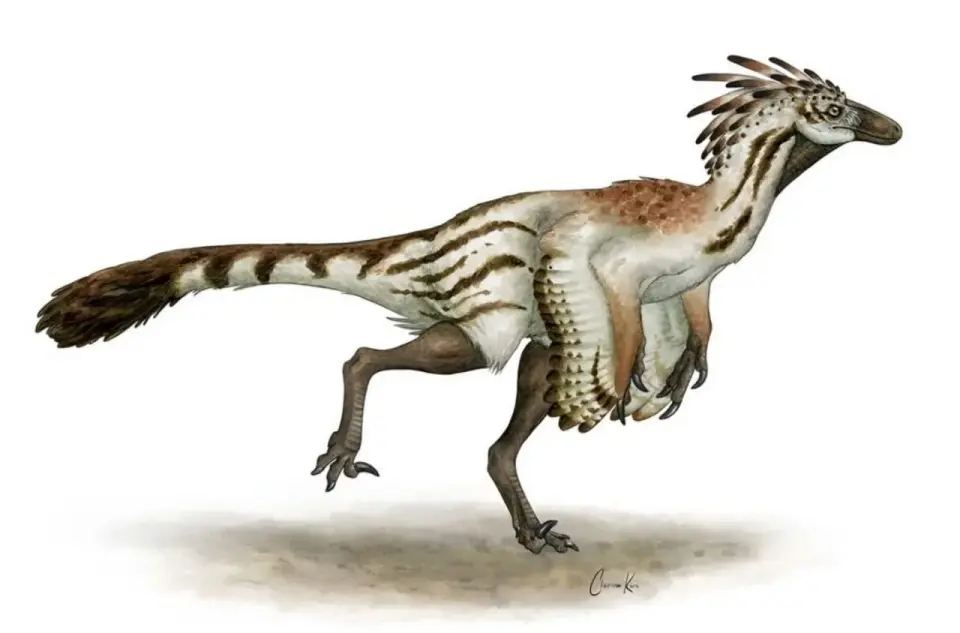
New fossils from western Montana provide the first comprehensive record of Troodon formosus growth from embryo to adult, revealing consistent skeletal development and high rates of foot injuries. The study proposes replacing the species' original tooth-based type specimen with these bones to resolve long-standing taxonomic debates.
Key points
- David Varricchio and Heath Caldwell analyzed pelvic and hindlimb fossils from the Two Medicine Formation in Montana, dating to 75-78 million years ago.
- The sample includes individuals from embryonic to adult stages, showing that major skeletal features remained consistent throughout growth.
- Adults exhibited relatively longer femurs compared to tibiae, while bone strength and fusion patterns changed at specific developmental stages.
- High rates of foot pathology were observed, supporting the theory that troodontids frequently suffered foot injuries.
- Researchers propose replacing the single tooth type specimen with the new bone series to stabilize the genus name and improve future comparisons.
Background
Recent studies have highlighted the diversity of post-dinosaur avian evolution, including the discovery of primitive feathers in Cretaceous coprolites and the ecological roles of giant birds after the extinction event. While previous research focused on size constraints and biogeography, this new finding addresses the internal biological development and classification stability of a specific theropod lineage.
Why it matters
This discovery resolves a decades-old classification issue by providing a robust anatomical reference for Troodon, a genus previously defined by a single tooth. It also offers rare insights into the biomechanics and health of feathered theropods, helping scientists understand how environmental pressures influenced dinosaur survival and movement.
What to watch
The International Commission of Zoological Nomenclature must review the proposal to change the type specimen. Meanwhile, researchers plan to use the detailed growth series to model locomotion, analyze injury patterns, and further refine the understanding of troodontid biology.
- Fossils from embryo to adult show how the bird-like dinosaur Troodon grew archaeologymag.com
- A Baby Dinosaur That Never Made It Out Of The Egg Has Helped Palaeontologists Piece Together How Troodon Grew From Embryo To Adult IFLScience
- Fossils from embryo to adult suggest how an enigmatic, bird-like troodontid dinosaur grew Phys.org
Want the full story? Read the original reporting
Read on archaeologymag.com