
EU Lags in Bioengineering Despite Life-Sciences Strength
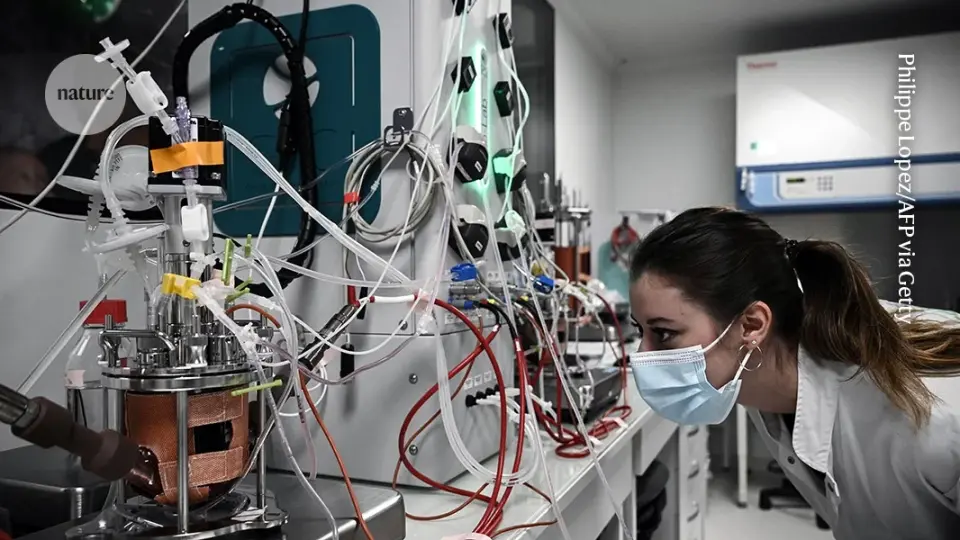
Europe is falling behind the US and China in bioengineering, a critical sector for medical innovation. Experts urge the EU to establish dedicated academic departments, create specialized funding panels, and incentivize industry investment to close the gap and retain talent.
Key points
- The EU27 has fewer than ten autonomous bioengineering departments, compared to over 100 in the US and China, and no EU university ranked in the top 30 globally.
- European biotech companies attracted $11.5 billion in funding in 2023, significantly less than the $57 billion in the US and $21 billion in China.
- A group of 25 specialists recommends three key changes: building academic excellence, investing in dedicated funding mechanisms, and engaging industry for commercialization.
- The EU lacks dedicated review panels for bioengineering grants, leading to assessments by experts in neighboring disciplines rather than the field itself.
- The authors call for coordinated investment in education, research, and innovation ecosystems to leverage Europe's existing life-sciences sector, which contributes €1.5 trillion to the economy.
Background
This follows broader concerns about Europe's competitive position in high-tech sectors. While the EU has strong infrastructure in other engineering fields and a vibrant life-sciences sector supporting 29 million jobs, it has not translated this into bioengineering leadership. The call for action comes as the EU prepares Framework Programme 10 for 2028-2034, a critical window for shaping future research funding.
Why it matters
Bioengineering is essential for advancing cell therapies, precision medicine, and other cutting-edge medical technologies. Without strategic investment and education, Europe risks losing talent and commercializing innovations abroad, undermining its potential as a global leader in health care technology.
What to watch
The European Council and EU directorates are urged to adopt a bioengineering agenda, including incentivizing national governments to establish dedicated departments, creating specialized funding schemes, and implementing policies that facilitate technology transfer and early clinical approval.
Want the full story? Read the original reporting
Read on Nature