
Chemistry Education Faces a Crisis as the Field Shifts to Automated Discovery
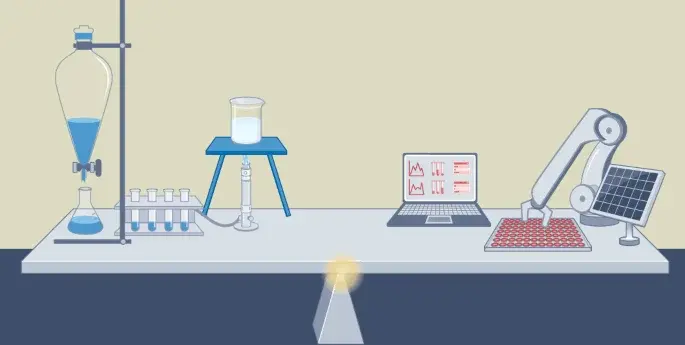
Dirk G. Kurth argues that chemistry is undergoing a fundamental transformation from manual experimentation to automated, data-driven discovery. This shift, which integrates sustainability and other disciplines, is outpacing current educational models. Kurth warns that if universities do not adapt their curricula to reflect these industrial and societal changes, the pipeline of new chemists will continue to decline, threatening the future of the scientific workforce.
Key points
- The discipline of chemistry is moving away from traditional manual experimentation toward automated and data-driven methods.
- Modern chemical research increasingly integrates sustainability goals and interdisciplinary approaches.
- Current chemistry education systems are failing to keep pace with these rapid changes in industry and research.
- Kurth warns that a failure to update educational frameworks will lead to a continued decline in the number of students entering the field.
- The article highlights a disconnect between how chemistry is practiced in modern labs and how it is taught in universities.
Background
This commentary follows recent developments in chemical synthesis, such as the development of safer cyclopropanation methods using thianthrenium salts, which illustrate the field's move toward safer and more efficient processes. It also aligns with broader concerns about the declining interest in chemistry among students, as noted in recent studies on why advanced-level students in England are not pursuing undergraduate degrees in the subject.
Why it matters
The sustainability and efficiency of future scientific breakthroughs depend on a robust workforce of trained chemists. If education does not mirror the reality of modern, automated, and sustainable chemical research, the field risks a severe talent shortage, hindering progress in areas like green chemistry and advanced materials.
What to watch
Universities and educational institutions must urgently revise their curricula to incorporate automation, data science, and sustainability. This adaptation is necessary to attract students and ensure that the next generation of chemists is prepared for the realities of modern industrial and research environments.
Want the full story? Read the original reporting
Read on Nature