science-and-education9.6 min read
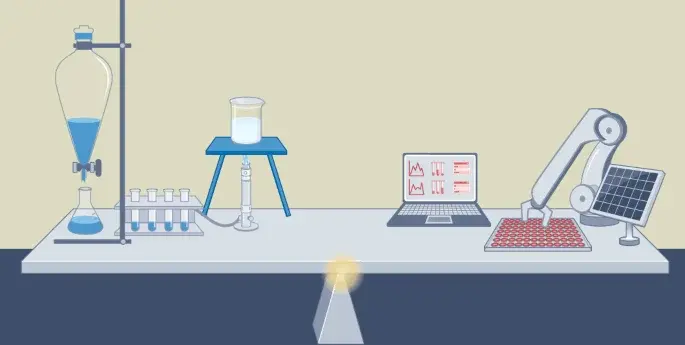
Chemistry Education Faces a Crisis as the Field Shifts to Automated Discovery
7 days ago•Source: Nature

The latest science and education stories, each synthesized from multiple sources with added background and context.

Louisiana State University has secured a $20 million grant to investigate the biological mechanisms behind some of nature’s fastest organisms. The funding aims to unlock secrets related to speed in biological systems, potentially advancing fields such as robotics, medicine, or materials science. This significant investment highlights LSU’s growing role in cutting-edge scientific research within the Baton Rouge area.
Hindustan Times•2 years ago
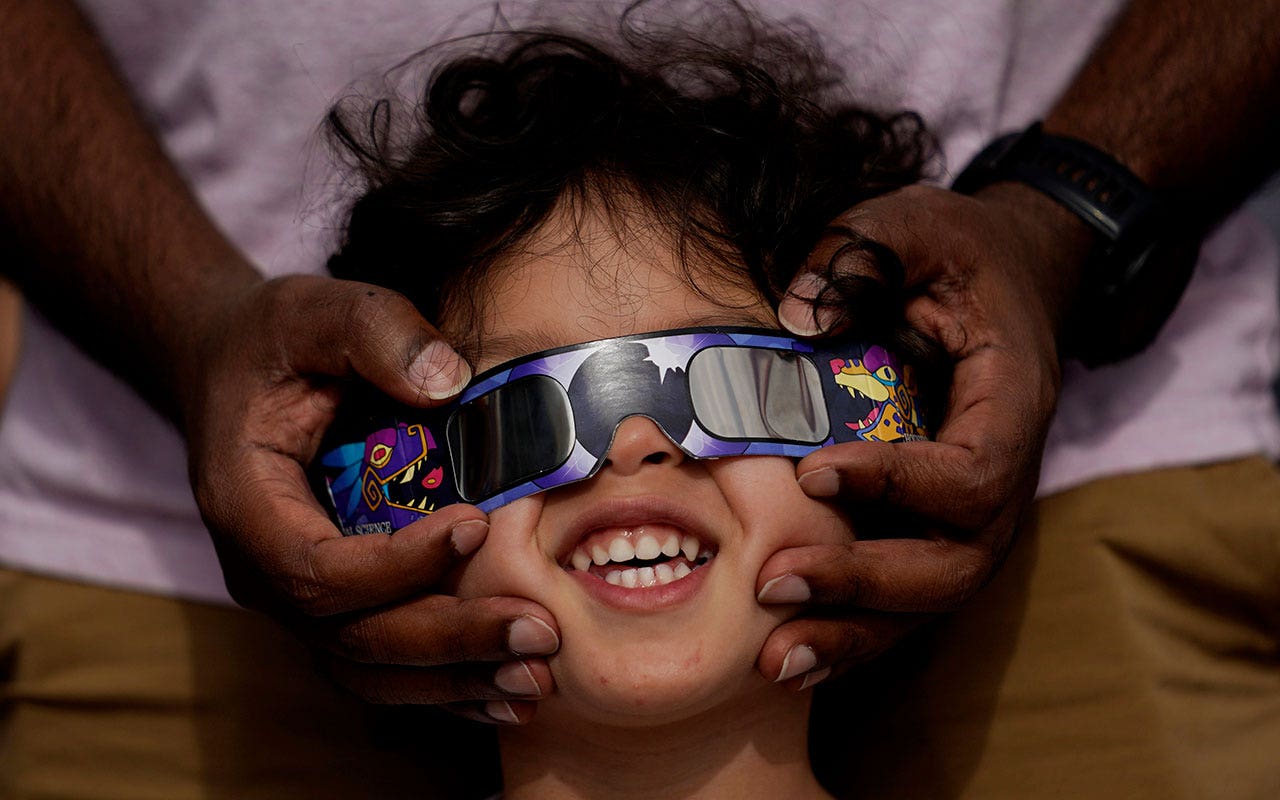
The upcoming 2024 total solar eclipse presents a great opportunity to engage kids in space and science. To explain the solar eclipse to children, use simple terms and interactive models, show the eclipse path using NASA's map, make pinhole viewers, shop for safe eclipse glasses, and create sun prints. Emphasize the rarity of the event to get kids excited, as the next total solar eclipse visible in North America won't occur until 2044.

A study led by Christina Bauer at the University of Vienna found that women from low socio-economic backgrounds underrate their talent compared to their peers, despite similar performance levels. This self-perception contributes to gender disparities in fields where talent is highly valued, such as STEM. The study, involving 1,600 students from Germany and the USA, suggests that promoting diligence over innate talent could help mitigate these disadvantages. The research highlights the need for societal change in how achievements are recognized and discussed, aiming to improve confidence and success opportunities for socio-economically disadvantaged women.

The article discusses the limitations of linear thinking in a complex, non-linear world. Linear thinking assumes a direct proportion between input and output, which can be misleading in real-world scenarios, such as financial planning or understanding natural phenomena. This bias towards linearity is ingrained from mathematics education and can lead to poor decision-making and unrealistic expectations. The article also highlights that artificial intelligence, like ChatGPT, can inherit these biases. It emphasizes the importance of recognizing non-linear relationships in everyday life to better navigate the world around us.
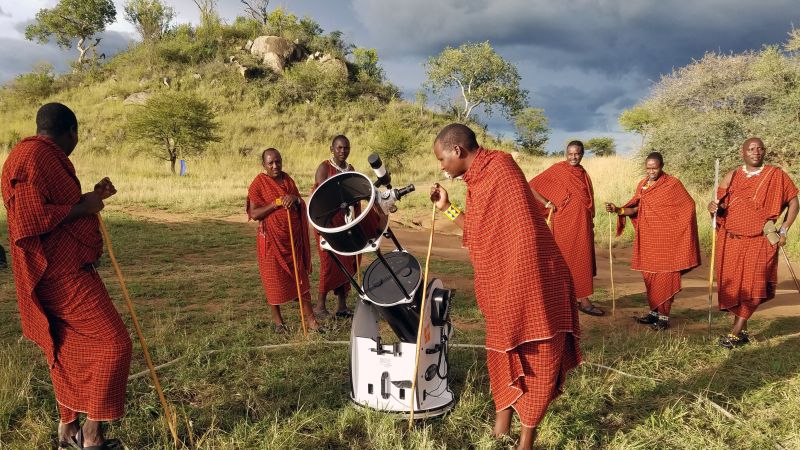
Susan Murabana, a Kenyan stargazer, is inspiring children in underserved communities by bringing astronomy education to them through her social enterprise, Travelling Telescope. With just a telescope and a mobile inflatable planetarium, Murabana and her husband aim to give children the opportunity to see Saturn, the moon, and constellations while teaching them basic science and astrophysics. Their goal is to inspire more Kenyans to be involved in the space industry and create a generation of informed leaders who can protect our planet. Murabana also aims to combat the perception that astronomy is solely a Western science and wants to highlight the rich history of astronomy in Africa.
The Facebook page 'Unusual Facts' shares fascinating and lesser-known information across a wide range of topics. Hazel Lindsey, founder of SwH Learning, reveals interesting scientific facts about the human body's blood vessels and the teenage stage in human life. She also highlights the misrepresentation of science in the media, where scientific advances are often exaggerated, leading to false hope and skepticism.

The University of Arizona has unveiled a sprawling installation called the Arizona Scale Model Solar System, which provides an accurate representation of our solar system's vastness. The installation consists of 10 informational signs placed along the campus, each representing a celestial object and providing details about its mass, diameter, surface gravity, and temperature. The display serves as an educational tool and pays tribute to the university's contributions to planetary science. Visitors can learn about UA research related to each object, and the installation also includes QR codes for visually impaired individuals. The scale model covers over half a mile, taking about 10 minutes to walk from the sun to Neptune.