
A 2017 Eclipse Left a Permanent Crescent-Shape Blind Spot in a New York Woman’s Retina
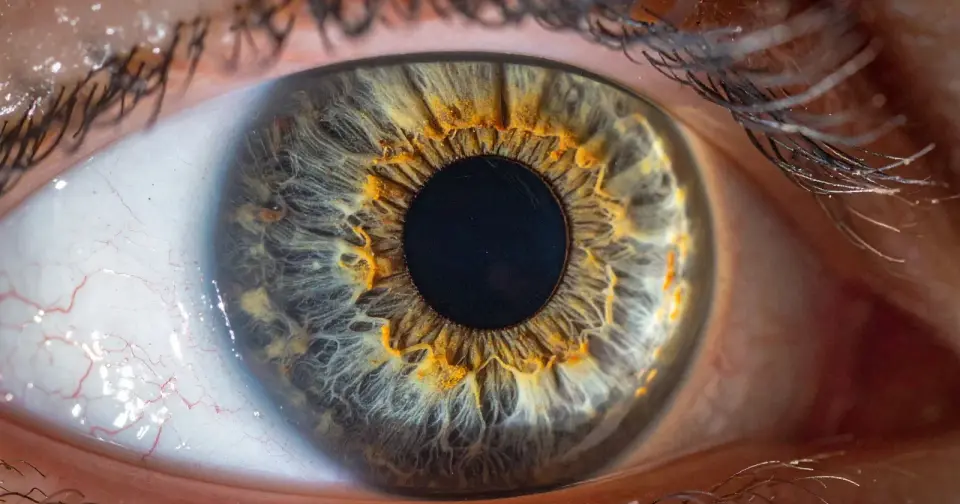
A 2017 solar eclipse caused permanent retinal damage in a 26-year-old woman who viewed it without proper protection. Her visual impairment matched the exact shape of the eclipse, highlighting the risks of inadequate eye safety.
Key points
- Nia Payne, a 26-year-old in Staten Island, viewed the August 21, 2017, partial solar eclipse for approximately 21 seconds without ISO-12312-2 certified filters.
- Days later, Payne experienced a crescent-shaped blind spot (scotoma) in her left eye, which she accurately sketched for doctors at the New York Eye and Ear Infirmary of Mount Sinai.
- Advanced imaging confirmed that the shape of the destroyed photoreceptors in her retina matched both her sketch and the orientation of the moon during the eclipse.
- The damage was caused by solar retinopathy, a condition where focused sunlight destroys light-sensitive cells through thermal and photochemical mechanisms, a process that does not regenerate.
- Payne’s condition has remained stable but permanent; she has adapted by using her right eye as dominant, though reading and screen use remain difficult.
Background
This case serves as a stark reminder of the dangers of viewing solar eclipses without proper protection, a topic that gained renewed attention with the August 12, 2026, total solar eclipse across Europe and North America. Previous coverage emphasized the critical importance of using certified eclipse glasses during partial phases to prevent similar retinal injuries.
Why it matters
This case illustrates that even brief, unprotected exposure to a partial solar eclipse can cause irreversible damage. It underscores the importance of using certified protective eyewear, as the human eye’s natural aversion to bright light is insufficient to prevent solar retinopathy during an eclipse.
What to watch
There is no treatment for solar retinopathy, and Payne’s condition is expected to remain permanent. The case continues to serve as a primary educational example for ophthalmologists and public health officials regarding the necessity of ISO-12312-2 certified filters during future astronomical events.
Want the full story? Read the original reporting
Read on Space Daily