
Atolls: Ancient Coral Rings Home to One Million People Face Rising Seas
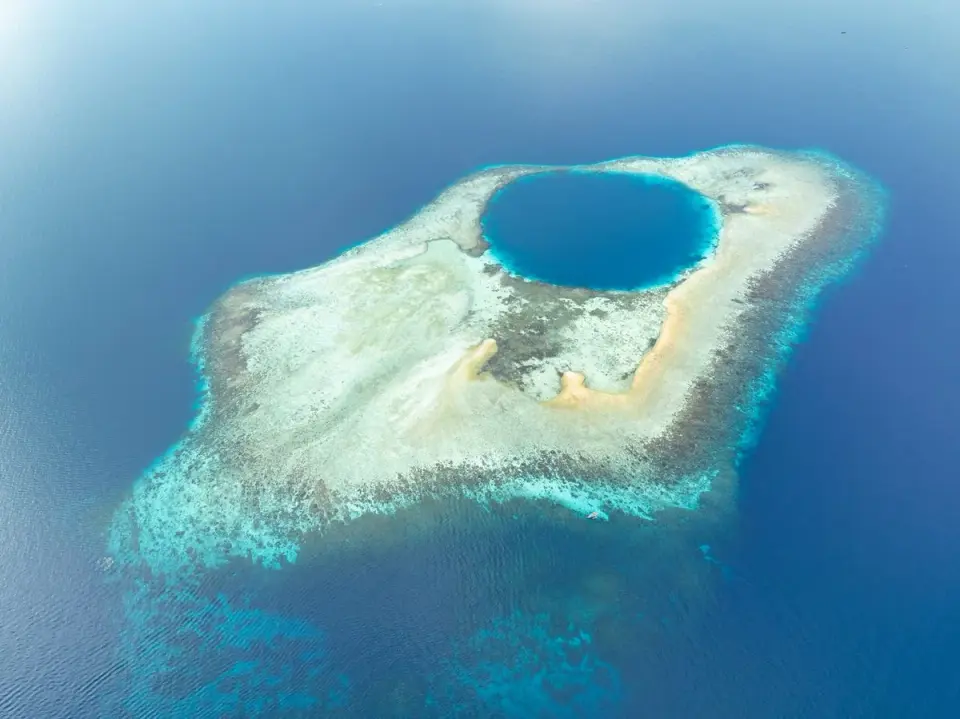
Atolls are ring-shaped coral islands formed over millions of years, typically from subsiding volcanoes. A 2023 census identified 494 oceanic atolls globally, hosting approximately one million people. While Darwin’s subsidence model explains their formation, an alternative karst theory exists. Atolls are vital for seabirds but face severe risks from rising sea levels, though some islands are growing due to sediment redistribution.
Key points
- A 2023 census identified 494 oceanic atolls and 104 continental atoll systems worldwide, with the Pacific Ocean holding the majority at 344.
- Atoll formation typically takes between one and 30 million years, involving the subsidence of volcanic islands and the upward growth of coral reefs to maintain surface proximity.
- Approximately one million people live on atolls, with about half residing in nations like the Maldives, Kiribati, Marshall Islands, and Tuvalu.
- The Great Chagos Bank is the largest by total area at 12,642 square kilometers, while Kwajalein Atoll has the largest lagoon at 2,174 square kilometers.
- Atolls support over 31 million nesting seabirds, representing about one-quarter of all tropical seabirds globally, including critical populations of white terns and frigatebirds.
- Climate change poses a significant threat as most atoll land sits only 1-2 meters above sea level, making them vulnerable to storm surges and saltwater intrusion.
Background
This briefing expands on general knowledge of coral reef ecosystems. Previous archive entries regarding climate impacts, such as the WFP warning on El Niño-driven hunger, highlight the broader environmental vulnerabilities facing low-lying regions, though atolls are distinct from continental coastlines. The genetic study on metabolism and the TPS policy memo are unrelated to this topic.
Why it matters
Atolls are ecologically critical for global seabird populations and home to a significant human population in vulnerable low-lying areas. Understanding their formation and current threats is essential for conservation efforts and climate adaptation strategies in the Pacific and Indian Oceans.
What to watch
Monitoring sea-level rise and coral bleaching events will be crucial for predicting the future of atoll habitats. Further research into sediment dynamics may reveal more islands that are growing rather than shrinking, offering potential resilience strategies.
Want the full story? Read the original reporting
Read on discoverwildlife.com