
Five US State Parks Preserve Rare Dinosaur Footprints
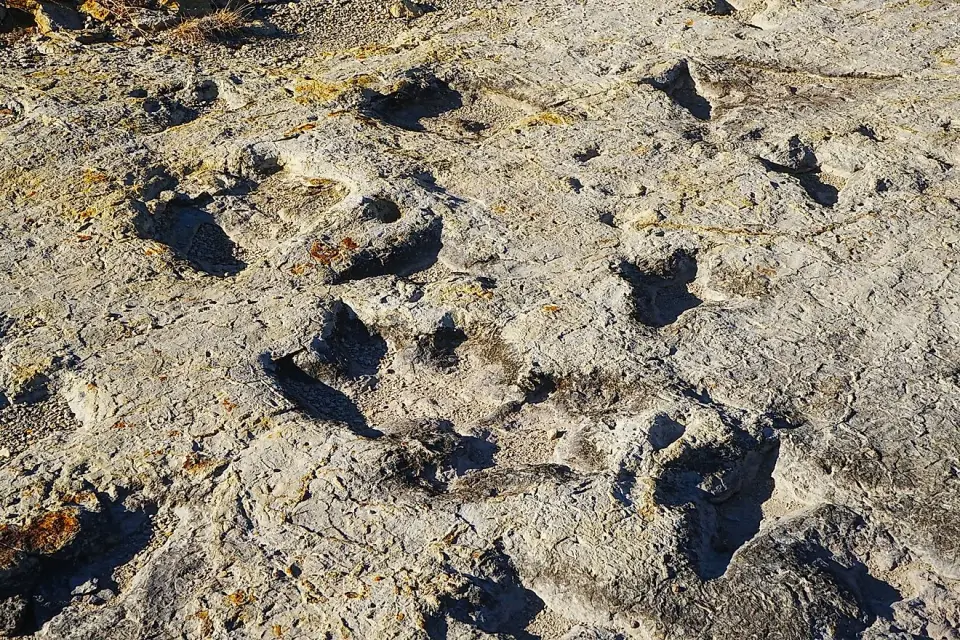
Five US state parks protect significant dinosaur trackways, offering public access to trace fossils from the Mesozoic Era. These sites, managed by state agencies rather than the National Park Service, preserve behavioral evidence such as footprints and drag marks. Locations include Clayton Lake in New Mexico, Dinosaur State Park in Connecticut, Dinosaur Valley in Texas, Red Fleet in Utah, and John Martin Reservoir in Colorado. Access varies based on water levels, weather, and specific park regulations, with some sites requiring careful timing for visibility.
Key points
- Clayton Lake State Park in New Mexico features over 500 footprints from at least four species, including rare 'trail drags' that indicate dinosaur posture, dating to the Cretaceous period.
- Dinosaur State Park in Connecticut preserves more than 750 Early Jurassic footprints under a climate-controlled dome, discovered in 1966 and attributed to theropods similar to Dilophosaurus.
- Dinosaur Valley State Park in Texas reveals sauropod and theropod tracks side-by-side in the Paluxy River bed, visible only during low water levels, dating to approximately 113 million years ago.
- Red Fleet State Park in Utah offers a 1.5-mile hike to a theropod trackway from the Early Jurassic period, with visibility dependent on reservoir water levels.
- John Martin Reservoir State Park in Colorado protects over 350 footprints, including the first pterosaur evidence in the Dakota Group, discovered in 2004 during a drought.
Background
Recent incidents, such as the blue mold vandalism at the Zerbst Trackway in Wyoming, highlight the vulnerability of exposed fossil sites and the need for protective measures. While federal monuments like Dinosaur National Monument focus on bone beds, these state parks emphasize trace fossils, providing a different perspective on dinosaur behavior and movement. The archive notes that conservation efforts vary, with some sites requiring strict visitor controls to prevent erosion or damage.
Why it matters
These parks provide accessible, educational opportunities for the public to engage with paleontological history without the restrictions often found at federal sites. They demonstrate the diversity of dinosaur ecosystems across the US and offer insights into animal behavior through trace fossils. Proper planning regarding water levels and weather is essential for visitors to witness these historical records, which serve as critical resources for both education and scientific research.
What to watch
Visitors should monitor water levels and seasonal conditions before traveling to these parks, as visibility of tracks can fluctuate significantly. State agencies continue to manage these sites with varying degrees of protection, from climate-controlled domes to open natural settings. Future conservation efforts may focus on balancing public access with the preservation of fragile fossil surfaces, potentially introducing new guidelines or closures to prevent erosion or damage.
Want the full story? Read the original reporting
Read on WorldAtlas