
Ocean Sunfish Returns to Hampton Beach, Drawn by Comb Jelly Bloom
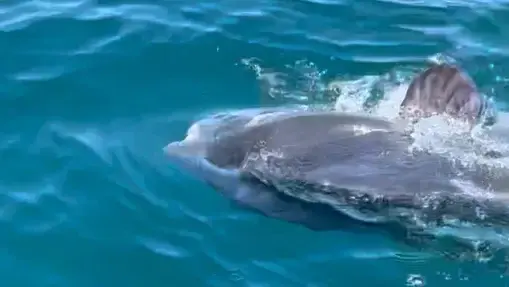
An ocean sunfish was recently spotted swimming off North Beach in Hampton, New Hampshire. This massive bony fish, which can weigh up to 5,000 pounds, is known for its unusual body shape and lack of a traditional tail. Its appearance this week likely coincides with a local bloom of comb jellies, a primary food source for the species.
Key points
- An ocean sunfish (Mola mola) was observed swimming along the shoreline at Hampton's North Beach this past week.
- The fish is one of the largest bony fish, capable of weighing up to 5,000 pounds and reaching 14 feet in length.
- Its distinctive appearance includes a large dorsal fin, a rounded head, and a flattened stubby tail that acts as a rudder.
- The sighting is likely linked to a bloom of comb jellies, which are a delicacy for ocean sunfish.
- Comb jellies are ancient marine animals that use cilia to move and possess sticky cells to capture prey.
- Ocean sunfish face threats from predators like sharks and whales, as well as plastic debris that they mistake for jellyfish.
Background
Marine life in the Gulf of Maine has been a topic of recent interest, with previous coverage highlighting close shark encounters at Moonstone Beach and the ecological presence of sea stars in Hampton Beach. The current sighting of an ocean sunfish adds another layer to the diverse marine activity observed in the region this summer.
Why it matters
The presence of an ocean sunfish indicates a healthy local ecosystem, as these fish feed on comb jellies and jellyfish. Their sighting also highlights the ongoing threat of plastic pollution, which can be mistaken for food by these animals, leading to digestive blockages and starvation. Understanding the behavior and diet of such large marine species helps in monitoring the health of coastal waters.
What to watch
Marine biologists and local observers may continue to monitor the area for further sightings of ocean sunfish and other marine life. The presence of comb jellies and jellyfish will likely continue to attract these large fish to the coastal waters of New Hampshire.
Want the full story? Read the original reporting
Read on Seacoastonline.com