
Leaf Sheep: The Solar-Powered Sea Slug Winning 2026 Invertebrate of the Year
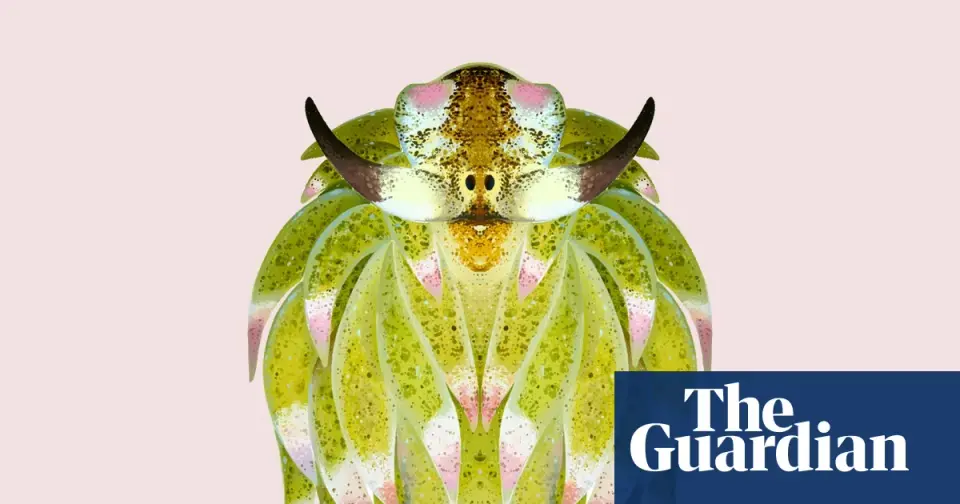
The leaf sheep, a tiny sea slug that steals chloroplasts from algae to perform photosynthesis, is a leading candidate for the Guardian's 2026 Invertebrate of the Year award due to its unique solar-powered biology and viral cuteness.
Key points
- The leaf sheep (Costasiella kuroshimae) is a rice-sized sea slug found in tropical waters around Japan, Indonesia, and the Philippines.
- It utilizes kleptoplasty, stealing intact chloroplasts from Avrainvillea algae and storing them in leaf-like structures called cerata to generate energy via photosynthesis.
- The animal was first described by scientists in 1993 but gained recent popularity through macro photography, leading to widespread public nominations for the 2026 award.
- Its vivid green coloration, often with white, pink, or purple tips, provides camouflage against its food source and chemical defenses.
- The Guardian is profiling nominated invertebrates daily from August 3 to 12, with public voting to follow.
Background
Recent coverage in our archive highlights the growing integration of solar energy into various technologies, from luxury watches to orbital AI data centers and Mars rovers. While those stories focus on human-engineered solar applications, the leaf sheep represents a natural, biological equivalent of solar power, showcasing how nature has evolved to harness sunlight for survival long before modern technology.
Why it matters
The leaf sheep’s unique ability to harvest solar energy through biological means offers a compelling example of nature’s efficiency, resonating with contemporary interests in sustainable energy. Its viral popularity underscores the public’s fascination with innovative biological adaptations and the role of media in highlighting lesser-known species.
What to watch
The Guardian will continue profiling reader-nominated invertebrates daily until August 12, after which public voting will open to determine the final Invertebrate of the Year 2026 winner.
Want the full story? Read the original reporting
Read on The Guardian