
Decoding Whale Dialects: How Acoustic Science is Reshaping Marine Conservation
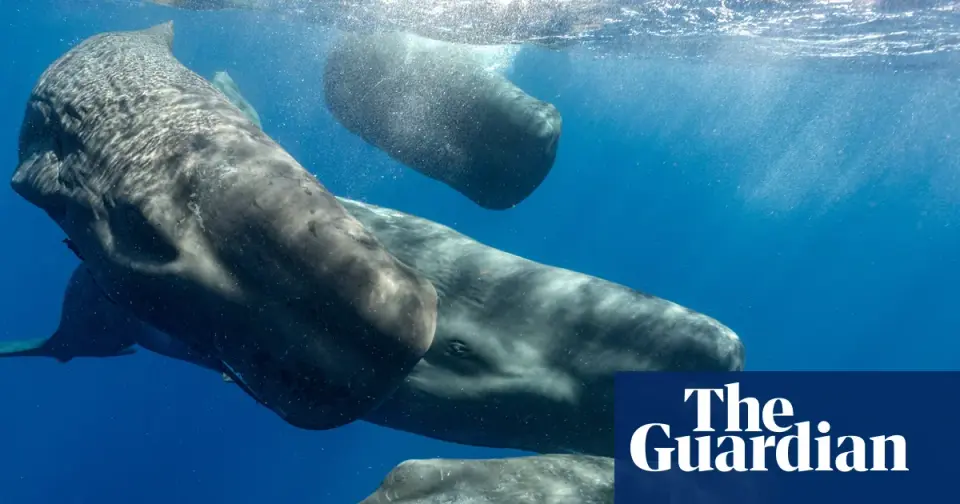
Researchers are using advanced acoustic monitoring to decode the complex vocalizations of beluga, humpback, and sperm whales. By analyzing unique dialects and cultural behaviors, scientists aim to improve conservation strategies against noise pollution and climate change, while debating whether these patterns constitute true language.
Key points
- Valeria Vergara’s research shows baby belugas learn communication from adults, taking two to three years to master their repertoire, similar to human toddlers.
- Beluga calves have a vocal range 18 times smaller than adults, making them vulnerable to separation from mothers due to boat noise, which led to Canadian boat closures in 2018.
- Humpback whales in the South Pacific exhibit rapid, population-wide song changes, adopting new songs from neighbors within a single season, a behavior compared to human fashion trends.
- Sperm whale clans use unique 'identity codas' to reinforce social bonds, which researchers use as geotags to assess population vulnerability to environmental threats.
- Project Ceti is using AI to analyze sperm whale clicks in the Dominican Republic, finding that tempo and frequency change near shipping noise, suggesting controlled meaning.
Background
Recent developments in beluga welfare, such as the 2026 relocation of whales from Marineland to U.S. and Spanish aquariums, highlight ongoing concerns about cetacean captivity and welfare. This current research focuses on wild populations, emphasizing the importance of understanding natural communication for conservation rather than captivity management.
Why it matters
Understanding whale communication allows for targeted conservation measures that go beyond general noise reduction. By linking specific vocalizations to behaviors like foraging or hunting, researchers can better protect vulnerable populations. Additionally, recognizing cultural traits in whales challenges human exceptionalism and may influence legal frameworks for animal rights.
What to watch
Researchers hope to link specific calls to behaviors using drone footage and AI. The goal is to develop more precise conservation strategies and potentially expand legal rights for cetaceans, though playback experiments remain ethically controversial due to the risk of distressing the animals.
Want the full story? Read the original reporting
Read on The Guardian