
Investigating the Structural Failures Behind Arecibo's Collapse
TL;DR
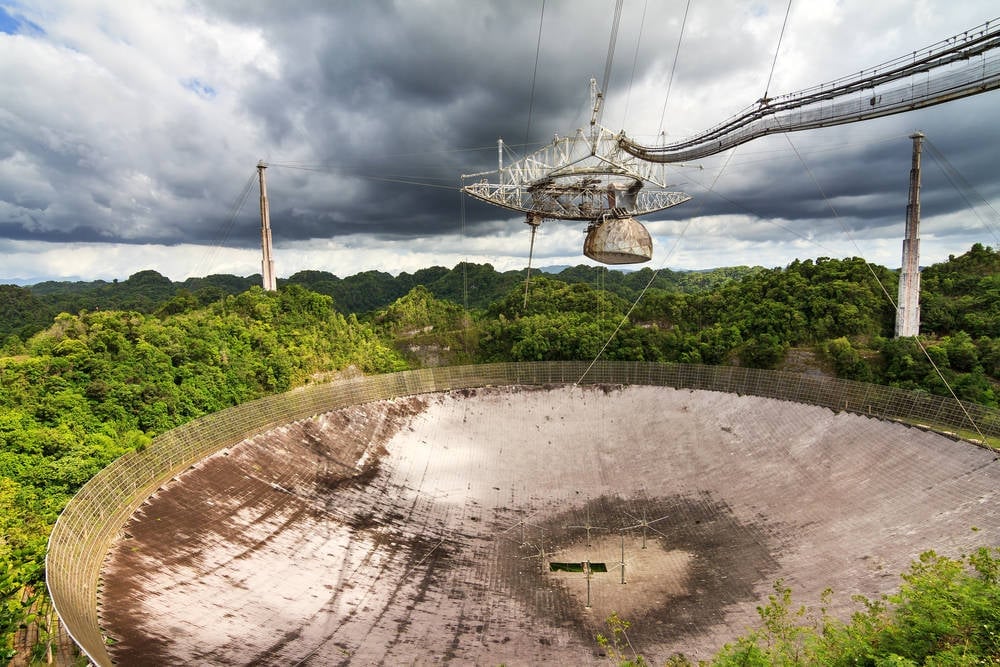
The collapse of the Arecibo Observatory's telescope in 2020 is attributed to zinc creep in cable sockets, potentially accelerated by electroplasticity due to electromagnetic radiation, according to a National Academies report. The report suggests that the unique electromagnetic environment of the telescope may have hastened the failure, despite a safety factor above two. The NSF plans to replace the telescope with a science education center and is considering the report's recommendations for future projects.
Topics:sciencescience-and-technology#arecibo#electroplasticity#nsf#science-and-technology#telescope#zinc-creep
- Arecibo telescope might have failed because of weak sockets The Register
- Zinc Creep And Electroplasticity: Why Arecibo Collapsed Hackaday
- New Report Details What Happened to the Arecibo Observatory Universe Today
- News at a glance: Reexamining Arecibo’s collapse, measuring plankton, and honoring Henrietta Lacks Science
- Report on why the Aricebo Observatory's 305-meter telescope collapsed Boing Boing
Want the full story? Read the original reporting
Read on The Register